








Use a Volvo VIN decoder before inspecting a used car
A used Volvo may appeal because of comfort, restrained design and a strong safety reputation, but the model name cannot explain the life of an individual vehicle. An XC60 may have covered long motorway distances, an XC90 may have moved between several countries, and a V60 or V90 may have been repaired after an insurance loss before returning to the market. A Volvo VIN decoder helps compare the seller description with available historical evidence before you spend time travelling to the car.
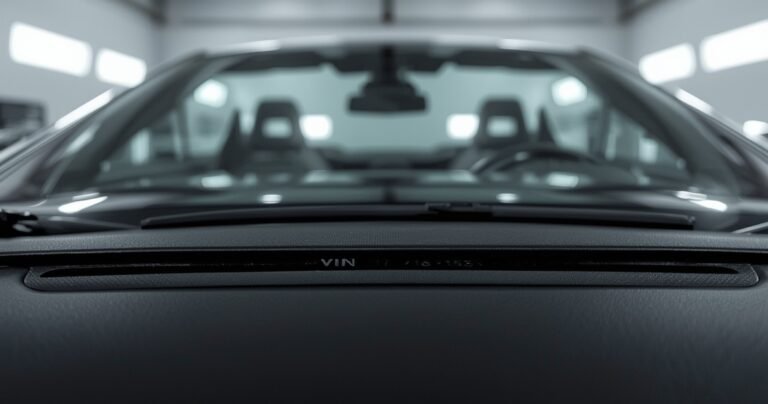
The unique 17-character identifier connects a vehicle with its technical identity and, where records exist, mileage readings, damage events, registration countries, ownership changes, service entries and archived photographs. The chronology matters more than one isolated result: mileage should rise logically, dates should agree, and older images should make sense alongside the present specification and condition.
What to verify during a Volvo inspection
A vehicle-history report is not a mechanical diagnosis. Ask a workshop to assess cold starting, engine and transmission behaviour, suspension, brakes, electronic fault memory and maintenance evidence. Where earlier damage is recorded, inspect body alignment, airbags and the cameras or radar units used by driver-assistance systems. A cosmetically tidy repair can still leave structural or calibration work unresolved.
Recharge and electric Volvos need a separate battery check
For a plug-in hybrid or electric Volvo, add a high-voltage battery assessment. State of health, charging performance, stored faults and realistic range cannot be established from a general history report alone. Request a diagnostic result and confirm relevant software updates and manufacturer recall work.
The most defensible buying decision is made when the report, registration documents, service invoices, physical inspection and road test support the same story. Continue with our used-car buying guides for practical inspection advice.