
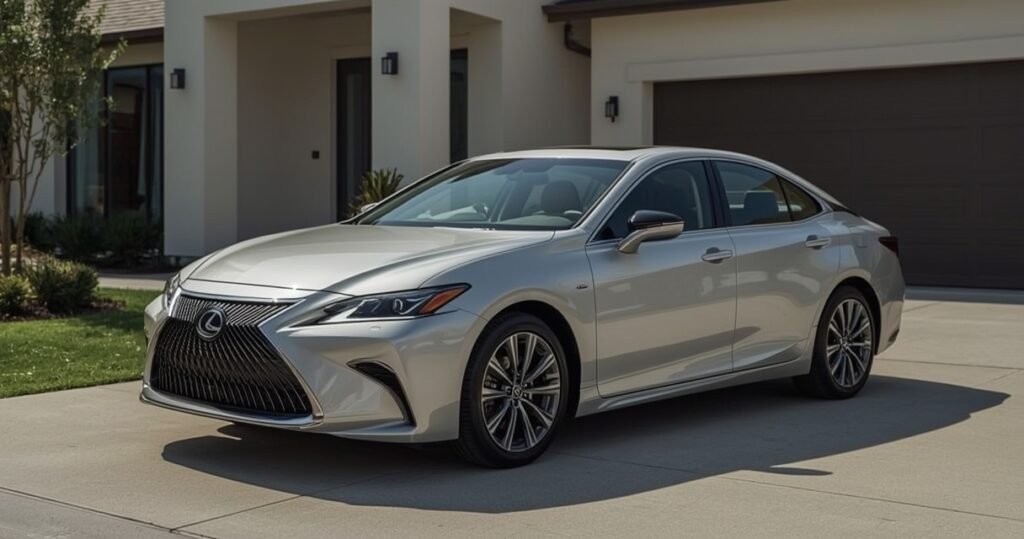
Lexus, the luxury division of Toyota, has built a strong reputation for quality, comfort, and advanced technology. Yet, many consumers ask a crucial question before making a significant investment: are Lexus cars reliable? Reliability is a major factor when considering a luxury vehicle, affecting everything from cost of ownership to daily peace of mind. This article provides a well-researched, detailed overview of Lexus reliability, incorporating data from respected sources, industry trends, owner experiences, and automotive expert recommendations.
Understanding automotive reliability
Reliability in the automotive world typically refers to the likelihood that a car will function without major issues over an extended period. This includes mechanical performance, electronic components, overall durability, and maintenance costs. Leading organizations such as J.D. Power, Consumer Reports, and RepairPal regularly evaluate and report on vehicle reliability by compiling data on owner-reported problems, repairs, and maintenance costs. These metrics help consumers make informed decisions and influence industry benchmarks.
How is Lexus reliability measured?
The reliability of Lexus vehicles is determined via comprehensive assessments by both consumer and industry organizations. Several key factors are consistently examined:
- Frequency and severity of repairs: How often do owners report problems and how serious are these issues?
- Long-term durability: How well do vehicles perform after several years and higher mileage?
- Maintenance costs: Are repairs and regular servicing expensive or manageable?
- Recall record: Are models subject to frequent recalls or safety notices?
- Owner satisfaction: Do real-world users report positive experiences and reliability?
Each of these areas sheds light on not just initial vehicle quality but also how Lexus models age over time, which is vital for those planning long-term ownership.
Industry recognition of Lexus reliability
Lexus consistently ranks at or near the top of major automotive reliability studies. J.D. Power’s annual Vehicle Dependability Study, for example, has frequently positioned Lexus as the number one or among the top three brands for multiple years running. Lexus models typically score well above the industry average in terms of fewer problems per 100 vehicles. Consumer Reports also routinely includes Lexus in its lists of most reliable brands, often ranking above other luxury automakers.
Some recognized strengths of Lexus reliability highlighted in these studies include:
- Longevity of powertrains: Lexus engines and transmissions are recognized for lasting high mileage with fewer breakdowns.
- Robust hybrid systems: The brand’s hybrid technology is mature and experiences fewer issues compared to newer or less tested systems from competitors.
- Solid electronics: While luxury vehicles often struggle with complex infotainment or driver-assist features, Lexus’s systems are generally regarded as robust.
Why are Lexus cars so reliable?
Several core factors contribute to Lexus’s reputation for exceptional reliability:
- Toyota heritage: Lexus originates from Toyota, which is globally celebrated for its focus on quality control, precision engineering, and product testing. Many Lexus vehicles share major components with Toyota models, benefiting from years of cumulative engineering refinement.
- Stringent quality assurance: Lexus employs meticulous quality assurance processes at every production stage, including rigorous pre-delivery inspections and advanced manufacturing techniques. Miyata and Tahara plants, where many Lexus models are built, are known for their “Takumi” master craftspeople who oversee critical steps in assembly and finishing.
- Conservative innovation: Lexus is traditionally cautious about introducing untested technologies or designs, instead favoring thoroughly developed systems. This approach minimizes unforeseen failures while delivering incremental improvements.
- Material quality: The brand uses durable, high-grade materials across models, reducing the likelihood of premature wear or common cosmetic issues.
Common issues in Lexus cars: fact versus myth
Even brands with excellent reputations are not immune to mechanical issues or component problems. However, it is important to distinguish between rare occurrences and widespread systemic issues. Surveys and repair databases suggest that Lexus vehicles generally demonstrate lower-than-average rates of component failure, especially regarding engine, transmission, and suspension systems.
Some recurring themes reported by owners or found in technical bulletins include:
- Infotainment glitches: Some Lexus models experience occasional lag or malfunctioning of touchscreen displays, though these are typically addressed through software updates or warranty repairs.
- Minor electrical gremlins: Limited cases of electrical faults, such as malfunctioning sensors or power windows, are sometimes noted but usually not widespread or severe.
- Hybrid battery concerns: Concerns about the cost of hybrid battery replacement persist, although data show that Lexus hybrid systems are among the most durable, with many batteries lasting well past 150,000 miles.
Most issues identified over the years are either isolated or have been proactively resolved by Lexus through recalls, extended warranties, or technical service updates. Additionally, Lexus customer service is often praised for prompt, effective handling of warranty repairs and maintenance.
Comparing Lexus reliability against competitors
When evaluating the luxury vehicle segment, Lexus competes with brands such as Mercedes-Benz, BMW, Audi, Acura, and Infiniti. Reliability studies and real-world owner experiences highlight a clear advantage for Lexus in most areas:
- Fewer total repairs: Maintenance databases reveal that Lexus owners visit mechanics less frequently for unexpected repairs compared to owners of German luxury vehicles, which often experience problems with electronics, turbochargers, or advanced suspension systems.
- Lower maintenance costs: According to RepairPal and similar organizations, Lexus vehicles tend to have lower yearly maintenance and repair costs than rivals in the same segment.
- Better long-term value: Lexus models retain higher resale value, thanks largely to their reputation for durability and lower frequency of expensive problems as vehicles age.
While other brands may offer more cutting-edge technology or sharper driving dynamics, Lexus often surpasses them in reliability and day-to-day dependability.
Lexus hybrid reliability: an area of excellence
Lexus was a pioneer in luxury hybrid vehicles and remains a leader, with more than two decades of refining hybrid drivetrains. The brand’s hybrid models, such as the Lexus RX 450h, ES 300h, and UX 250h, have consistently demonstrated excellent reliability in owner surveys and industry rankings.
Key factors behind the strong performance of Lexus hybrids include:
- Proven technology: Lexus hybrids use the well-established Toyota Hybrid Synergy Drive system, known for its simplicity, durability, and efficiency.
- Fewer moving parts: Electric motors and regenerative braking systems reduce mechanical complexity, decreasing the chances of component failure.
- Comprehensive warranty coverage: Lexus hybrid systems are covered by extensive warranties, offering additional peace of mind for owners worried about long-term maintenance.
Expert recommendations for maintaining Lexus reliability
While Lexus vehicles are engineered for long-term dependability, proper care is essential to maximize lifespan and minimize problems. Automotive experts and industry sources unanimously highlight routine maintenance as the key to sustaining reliability.
- Adhere to service intervals: Follow the manufacturer’s recommended service schedule for oil changes, brake inspections, fluid replacements, and other critical checks.
- Use genuine parts: Utilizing OEM (original equipment manufacturer) parts in repairs and maintenance ensures compatibility and preserves reliability.
- Address issues promptly: Respond quickly to warning lights or unusual noises to prevent minor problems from developing into serious (and more expensive) repairs.
- Consider climate and driving conditions: Individuals in harsh climates or who tow heavy loads may need to adjust maintenance intervals accordingly.
- Keep detailed records: Maintaining thorough service documentation can boost resale value and serve as proof of diligent care.
Owners of hybrid models are also advised to schedule periodic checks of battery health and hybrid system components, though these systems are generally long-lived with basic attention.
Addressing common myths about Lexus reliability
Despite consistently top scores, some myths and misconceptions persist regarding Lexus reliability, often stemming from anecdotes, confusion with Toyota qualities, or lack of direct experience. Here are some commonly encountered myths and the facts that address them:
- “Luxury cars break down more easily.” While complex technology can sometimes introduce new points of failure, Lexus’s approach to incremental innovation mitigates this risk, leading to fewer widespread problems compared to some competitors.
- “Hybrid or electric systems aren’t durable.” Data from high-mileage Lexus hybrids shows these systems to be robust, with few reports of catastrophic battery or inverter failures and generous warranty coverage for extra assurance.
- “Parts are hard to find or very expensive.” Lexus benefits from sharing foundational parts with Toyota, making availability and pricing more reasonable than expected for a luxury brand, particularly for non-cosmetic components.
Potential drawbacks and limitations
No vehicle is perfect, and it’s important to recognize potential drawbacks when considering Lexus cars:
- Less sporty driving experience: In pursuit of refinement and long-term durability, certain Lexus models may lack the handling excitement or engagement offered by some German rivals. This is often a trade-off for those prioritizing comfort and reliability.
- The cost of luxury maintenance: Although more reliable, Lexus parts and labor are generally pricier than those for mainstream brands. However, these costs are often offset by less frequent major repairs.
- Limited model diversity in some markets: Lexus’s global lineup does not always match the breadth of competitors, so customers seeking specific body styles or performance variants may have fewer choices locally.
Consumer perspectives: what do Lexus owners say?
Owner feedback is an invaluable source of insight into real-world Lexus reliability. Feedback from online forums, owner clubs, and customer reviews reveals several consistent themes:
- Quiet, predictable reliability: Many Lexus owners report experiencing years of trouble-free driving and minimal need for unscheduled shop visits.
- Positive dealership experience: Lexus service centers often receive high marks for customer care, loaner vehicles, and transparency in repair processes.
- High resale value: The ability to sell or trade in a used Lexus at a higher price is often noted as an added benefit related to its reliability reputation.
Nevertheless, some drivers do voice frustrations with infotainment system usability or the occasional difficulty in sourcing niche trim-specific parts for older models. Overall, reputation and owner testimonials are greatly positive.
Lexus extended warranties and reliability assurance
To further address buyer confidence, Lexus offers comprehensive new vehicle limited warranties along with available extended warranty options. Standard coverage typically includes:
- 4 years/50,000 miles for basic coverage
- 6 years/70,000 miles for the powertrain
- 8 years/100,000 miles for hybrid components
Extended warranties or certified pre-owned (CPO) programs may provide additional peace of mind, especially for those who plan to keep their vehicle for longer or wish to transfer a warranty at resale.
Summary: are Lexus cars reliable?
The evidence is robust and consistent: Lexus cars are exceptionally reliable among both luxury and mainstream brands. This reputation is supported by independent industry surveys, expert analyses, long-term owner experiences, and the technological legacy shared with Toyota. While no vehicle is immune to occasional issues, Lexus vehicles statistically suffer fewer serious problems, incur lower average repair costs, and maintain better resale value over time compared to most competitors.
For consumers prioritizing reliability and long-term value in a luxury vehicle, Lexus represents one of the strongest choices available. Proper maintenance and timely service further mitigate the already low risk of unexpected breakdowns, resulting in a smooth, worry-free ownership experience. Those seeking excitement above all else may prefer the sportier dynamics of some rivals, but in terms of day-in, day-out dependability, Lexus continues to set the industry standard.