
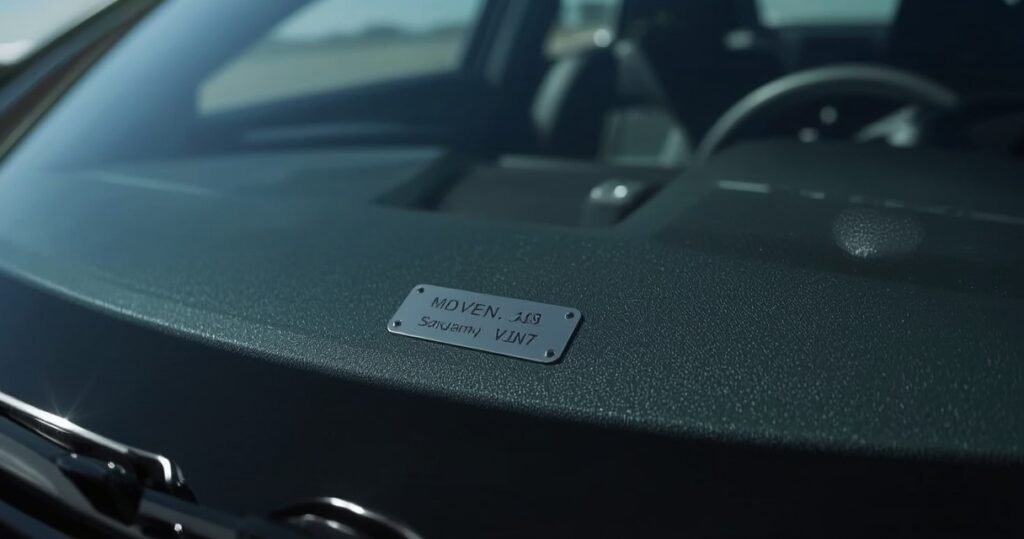
A Vehicle Identification Number (VIN) is more than just a sequence of characters stamped onto a car’s dashboard. For vehicles manufactured in or for the 2022 model year, the 2022 VIN number plays a crucial role in providing detailed information about a vehicle’s history, specifications, and legal status. This article explores everything you need to know about 2022 VIN numbers, their structure, uses, how to decode them, and why they matter for vehicle owners, buyers, and industry professionals.
What is a VIN number?
A VIN number, short for Vehicle Identification Number, is a unique 17-character code assigned to every vehicle manufactured after 1981. Each character or group of characters in a VIN provides specific information about the vehicle, such as the manufacturer, model year, country of origin, and more. This internationally accepted system helps authorities, automakers, dealers, and consumers accurately identify and track individual vehicles throughout their lifespan.
Importance of the 2022 VIN number
The 2022 VIN number is essential for several reasons, especially for freshly manufactured or recently purchased vehicles. Here is why it matters:
- Legal identification: The VIN uniquely identifies a vehicle for registration, insurance, and law enforcement.
- Vehicle history: A VIN enables services to track a car’s accident history, title status, recalls, and repairs.
- Theft deterrence: Law enforcement relies on VINs to investigate theft and recover stolen vehicles.
- Recalls and service: Manufacturers use the VIN to notify owners about safety recalls or updates specific to their vehicle batch.
- Resale and value: Buyers and sellers rely on VINs for accurate vehicle appraisals and background checks.
How to locate the VIN on a 2022 vehicle
The VIN for 2022 vehicles can be found in multiple locations on the car. The most common locations include:
- On the driver’s side dashboard, visible through the windshield
- Inside the driver’s side door jamb or pillar
- On the engine block or near the radiator support bracket
- Printed on vehicle registration documents and insurance cards
- On stickers in the glove compartment or trunk (depending on make and model)
Anatomy of a 2022 VIN number
A standard 17-character VIN consists of numbers and uppercase letters (excluding I, O, and Q to avoid confusion with similar-looking numbers). Below is a breakdown of what each segment typically represents:
1. World manufacturer identifier (WMI: characters 1–3)
- Identifies the country of origin, the manufacturer, and the vehicle type
- E.g., “1HG” for Honda vehicles manufactured in the United States
2. Vehicle descriptor section (VDS: characters 4–9)
- Contains information about the model, body style, engine type, and restraint system
- The ninth character is a “check digit” for security and to detect invalid VINs
3. Vehicle identifier section (VIS: characters 10–17)
- The 10th character shows the model year (for 2022, the VIN uses “N”)
- The 11th character identifies the plant where the vehicle was assembled
- Characters 12–17 are a unique serial number set by the manufacturer
How to decode a 2022 VIN number
Understanding how to read and interpret a 2022 VIN number can be helpful for owners, buyers, and service technicians. Here’s a step-by-step approach:
- Verify the length: A valid VIN from 1981 onward, including 2022 vehicles, should be exactly 17 characters.
- Identify the model year: The 10th position should be “N” for 2022 as per the standardized year code list.
- Check the manufacturer: The first three characters reveal the brand and country. For example, “5YJ” is for Tesla made in the US.
- Evaluate body and engine: Characters 4–8 detail body style, restraint system, engine model, and more based on manufacturer coding.
- Check the plant: The 11th character indicates the assembly plant. Each automaker uses a specific code for its factories.
- Authenticate with the check digit: The 9th character uses a mathematical formula to validate the VIN. This helps prevent typographical errors or alterations.
Example of a 2022 VIN number
- Example: 1GNEK13ZX3R298984
- 1GN: General Motors (Chevrolet) from the United States
- E: Vehicle model and trim
- K: Body style
- 1: Restraint system
- 3: Engine type
- Z: Check digit
- X: 2022 model year (“N” is the standard for 2022, but always refer to the manufacturer’s code if uncertain)
- R: Assembly plant
- 298984: Serial number
Manufacturers may assign slight variations to certain positions; when in doubt, consult their official decoding guides or request a vehicle history report.
Common myths about VIN numbers and vehicle history
-
Myth: All vehicles of the same make and model have similar VINs.
Fact: Although VINs share certain elements for the same make and model, each vehicle has a unique sequence, especially the serial number (last six digits). -
Myth: The VIN can reveal owner information.
Fact: VIN numbers do not contain personal owner data. Only authorized agencies have access to ownership records. -
Myth: You can change a VIN legally.
Fact: Tampering with a VIN is illegal in most countries. It is considered a serious offense and a sign of fraud. -
Myth: Two cars can have the same VIN.
Fact: No two vehicles should share the same VIN. Duplicate VINs can signal errors or fraudulent activity.
Expert tips for using your 2022 VIN number
- Always cross-check the VIN in multiple locations on the vehicle and compare with paperwork before purchasing.
- Use the VIN to order parts or schedule service—it ensures compatible components are used.
- Check the 2022 VIN number with a reputable third-party database or a government agency before buying a used vehicle. Look for signs of accident history, salvage titles, or odometer discrepancies.
- Be cautious with vehicles missing VINs or those with irregular numbering—these may have been stolen or tampered with.
- If you suspect VIN manipulation, contact local authorities or vehicle registration offices for guidance.
Warnings and considerations regarding 2022 VIN numbers
- Legal caution: Do not attempt to modify, obscure, or remove a VIN for any reason.
- Forgery risks: Scammers sometimes use counterfeit VIN plates. Always verify the VIN against official documents and run background checks when in doubt.
- Vehicle history limitations: VIN-based reports may not capture all damage or maintenance if work was performed outside official networks.
- Recall monitoring: Register your 2022 VIN with the automaker or authorized recall tracking services to receive prompt safety notifications.
Why 2022 VIN number checks are more important than ever
As vehicle technology evolves, so do the methods used by criminals to tamper with car identities. With more 2022 vehicles featuring advanced electronic systems and increased market value, comprehensive VIN checks are essential to protect yourself from theft, fraud, and buying unsafe vehicles. Automated online databases, government registries, and professional inspection services can help ensure you are dealing with a legitimate 2022 vehicle.
Key takeaways for consumers and professionals
- The 2022 VIN number is a foundational element for vehicle identification, history tracking, and legal compliance.
- VIN numbers help facilitate accurate maintenance, guarantee manufacturer recalls reach affected owners, and play a vital role in resale transparency.
- Decoding a 2022 VIN is straightforward but should be done carefully, especially for used vehicle purchases.
- Never ignore inconsistencies in VINs—they can indicate fraud or tampering.
Conclusion
Proper understanding of your 2022 VIN number can safeguard your investment, enhance your ownership experience, and provide peace of mind when buying or selling a vehicle. Whether you are a car enthusiast, industry professional, or everyday driver, knowing what the 2022 VIN number means—and how to use it—will help ensure your automotive transactions are safe, transparent, and efficient. Always consult trusted resources such as official government agencies, recognized automotive associations, and professional inspectors for the most accurate information regarding your vehicle’s VIN.