
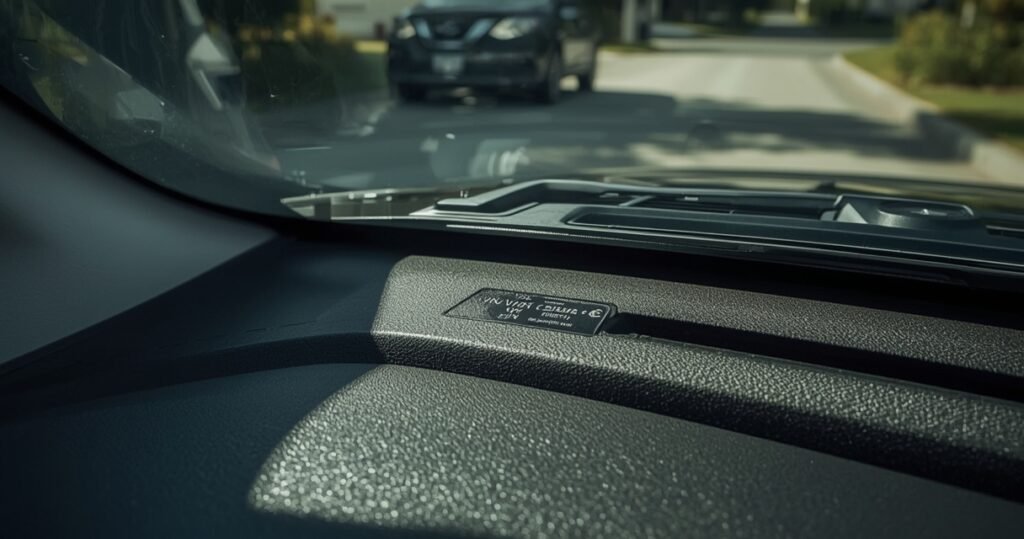
The Vehicle Identification Number (VIN) serves as the automotive world’s version of a personal ID card, providing unique information about every car. For owners, buyers, and sellers of a 2017 Nissan Sentra, understanding the significance of the VIN is crucial for verifying authenticity, tracking a vehicle’s history, and ensuring that the car meets safety and regulatory standards. This in-depth guide explains everything you need to know about the 2017 Nissan Sentra VIN number, including its structure, uses, benefits, decoding process, and common misconceptions.
What is a VIN and why is it important?
A Vehicle Identification Number, commonly called a VIN, is a unique 17-character code assigned to every passenger vehicle manufactured after 1981. This alphanumeric sequence acts as a fingerprint for your car, revealing essential information about its origin, type, and history. The 2017 Nissan Sentra VIN number is an invaluable resource in the buying process, legal matters, maintenance, and accident investigations.
Key purposes of a VIN:
- Proof of identity: Confirms the vehicle’s legitimacy and ownership.
- History checks: Helps reveal accident history, recalls, or previous thefts.
- Regulatory compliance: Assures that the car meets regional or national standards.
- Parts matching: Assists in finding compatible parts for repairs or upgrades.
Where to find the 2017 Nissan Sentra VIN number
Before deciphering your Nissan Sentra’s VIN, you need to locate it. Nissan, like most manufacturers, places the VIN in multiple locations for both accessibility and security.
Common locations in the 2017 Nissan Sentra include:
- Driver’s side dashboard: Easily viewed from outside the car through the windshield’s lower corner.
- Driver’s side door jamb: Typically found on a sticker or metal plate when the door is open.
- Engine bay: Sometimes stamped on the firewall or above the front suspension mount.
- Registration and insurance documents: Your paperwork will always include the VIN.
Always verify the consistency of the VIN across all locations and documents before purchasing or insuring a vehicle.
Decoding the 2017 Nissan Sentra VIN number
Each of the 17 characters in a VIN represent specific information about the car. The breakdown of a 2017 Nissan Sentra’s VIN can help you determine details such as manufacturing location, engine type, safety features, and serial number.
VIN structure explained:
- First three characters: World Manufacturer Identifier (WMI) – identifies maker and country (e.g., “3N1” for Nissan Mexico).
- Characters 4 to 8: Vehicle Descriptor Section – details brand, engine, model, and body type.
- Ninth character: Check digit – used to prevent fraudulent VINs.
- Character 10: Model year (in this case, “H” indicates 2017).
- Character 11: Assembly plant (unique to each Nissan plant).
- Characters 12–17: Sequential serial number identifying the specific vehicle.
Example of a 2017 Nissan Sentra VIN:
An example might look like: 3N1AB7AP0HY256789
- 3N1: Manufacturer (Nissan, Mexico)
- AB7AP: Vehicle descriptor (Sentra body style/engine)
- 0: Check digit
- H: Model year (2017)
- Y: Assembly plant
- 256789: Serial number
Consult the Nissan documentation or online VIN decoder tools to interpret other specific details within the sequence.
Why verifying the VIN matters for buyers and owners
The VIN is more than just a random series of numbers and letters. Whether you are buying a used 2017 Nissan Sentra or verifying your own car, checking the VIN offers several key benefits.
Benefits of VIN verification:
- Prevents fraud: Confirm that the advertised vehicle matches official records.
- Safety recalls: Ensure you are aware of and have addressed any recalls issued by Nissan for your model year.
- Confirms mileage accuracy: Compares odometer readings with service and inspection records tied to the VIN.
- Registration and insurance: Streamlines title transfer, registration, and insurance claims, which all require the correct VIN.
How to use the VIN to check your Sentra’s history
One of the 2017 Nissan Sentra VIN number’s most valuable functions is the ability to access the vehicle’s detailed history. Many companies and organizations offer comprehensive VIN checks, which provide data about previous ownership, accident reports, theft recovery, and service records.
Steps to run a history check:
- Locate and accurately record the 17-digit VIN from your car.
- Use an authorized vehicle history report provider (such as national vehicle registries or official VIN reporting services).
- Review the resulting report for discrepancies, previous damage, or potential title issues.
It is always recommended to check a vehicle’s history before purchasing any used car, especially if the price seems unusually low or the seller withholds information.
Common myths about vehicle VIN numbers
The internet is rife with misinformation and myths about VINs. Clearing up confusion helps drivers make informed, safe decisions.
- Myth: All VINs are unique worldwide. This is true; no two vehicles after 1981 should have the same VIN. However, fake VINs do circulate on stolen or reconstructed cars.
- Myth: VINs only check for theft. The VIN reveals far more, including accident records, recalls, specifications, and previous ownership.
- Myth: You can erase or change a VIN legally. Altering a VIN is illegal almost everywhere and can result in grave legal consequences.
- Myth: Only dealerships can check a VIN. Anyone can access a VIN and use authorized online services or official databases to check a vehicle’s background.
What to watch out for: Red flags in VIN verification
While most VIN checks are routine, certain signs indicate possible issues such as fraud, theft, or undisclosed damage. Being vigilant helps protect your investment and safety.
- Mismatched VINs: If the VIN on the dashboard, door jamb, and official documents do not match, this is a serious warning sign.
- Signs of tampering: Scratches, altered rivets, or inconsistent engraving in VIN plates may indicate attempts to change the number.
- Missing digits: A VIN with fewer than 17 characters is incomplete for all vehicles made after 1981, including the 2017 Sentra.
- Multiple prior owners with inconsistent histories: Excessive transfers may indicate an attempt to mask the car’s past.
Expert tips for using and protecting your VIN
Protecting and properly using your 2017 Nissan Sentra VIN number enhances long-term vehicle safety, resale value, and compliance with regulations.
- Inspect VIN locations before purchasing: If any VIN plate appears new, altered, or poorly attached, proceed with caution.
- Always use official sources: When obtaining vehicle reports or replacement documents, use authorized registries and avoid unreliable online offers.
- Keep records: Maintain copies of your original title, purchase agreements, and service history, all tied to your VIN.
- Report discrepancies: If you suspect VIN fraud, contact your local authorities or the Department of Motor Vehicles (DMV) immediately.
Frequently asked questions about the 2017 Nissan Sentra VIN number
- Can I get original factory specs from my Sentra’s VIN? Yes, the VIN can be used to look up the original configuration, including engine, transmission, color, and trim features, through Nissan’s records or official VIN decoders.
- Do insurance companies require the VIN? Absolutely. The VIN is essential for all policies to ensure coverage of the correct vehicle.
- Is it safe to share my VIN? Sharing your VIN (for sales, repairs, or history checks) is typically safe, as it is not a confidential number. However, avoid sharing with unverified parties online to reduce the risk of misuse.
- What should I do if my VIN has been tampered with? Immediately contact local law enforcement and do not drive or purchase the vehicle until the issue is resolved.
Conclusion
The 2017 Nissan Sentra VIN number is an indispensable key to understanding your vehicle’s identity and history. Whether you are a current owner, prospective buyer, or seller, leveraging the information encoded in the VIN is crucial for making savvy, safe, and transparent automotive decisions. Always use authorized channels when performing VIN checks, verify the number across all locations and documents, and be alert for common red flags. By taking these steps, you ensure both your protection and peace of mind, allowing you to confidently enjoy your Nissan Sentra.