














SEAT VIN decoder for a better used-car assessment
A used SEAT can be appealing for its sharp styling, strong equipment and Volkswagen Group engineering, yet the reputation of a model does not reveal the past of an individual vehicle. A Leon may have covered intensive fleet mileage, an Ateca or Tarraco may have sustained collision damage, and an imported Arona may have been repaired before appearing in a local advert. A SEAT VIN decoder helps compare the seller’s story with available historical evidence.
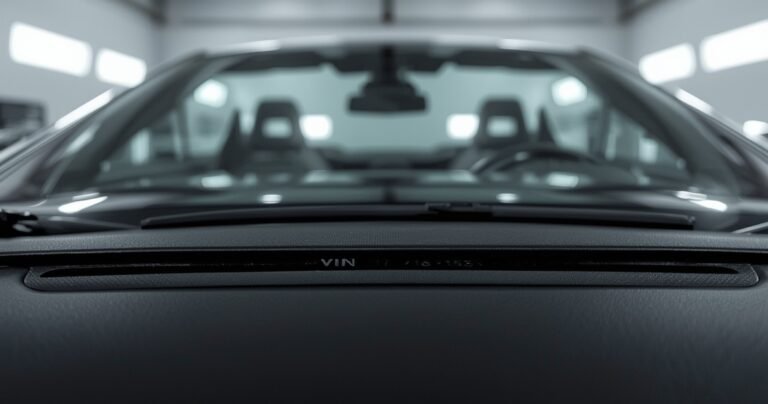
The unique 17-character number links the car to its technical identity and, where data exists, mileage, insurance damage, registration, ownership, service and archived-photo records. The most useful insight comes from the chronology: whether dates are consistent, mileage rises logically and the current specification agrees with older records.
Combine TSI, TDI and DSG history with diagnostics
SEAT vehicles use many different TSI and TDI engines alongside manual and DSG transmissions. A report can help identify the correct version and prepare inspection questions, but it cannot replace technical diagnosis. Ask for evidence of DSG oil servicing, timing-system work, turbocharger and emissions maintenance, plus regular oil changes. A cold start, fault-memory scan and road test can expose issues absent from historical databases.
For an imported vehicle, compare any earlier images with current panel alignment, paint depth and safety-system condition. The strongest decision is made when the VIN report, documents, workshop findings and the actual car all tell the same story.