
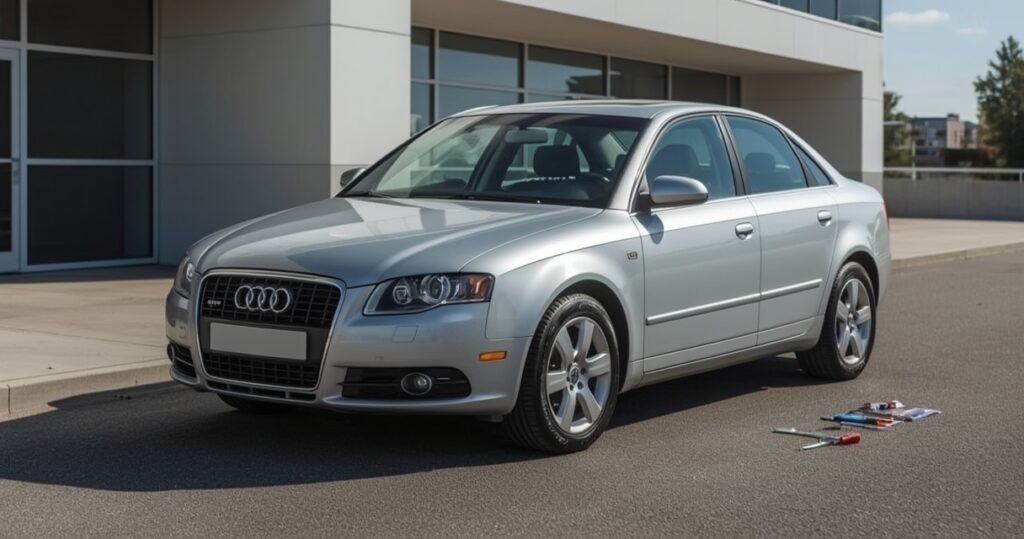
Many prospective car buyers find themselves drawn to the appeal of used Audis, especially older models that marry classic design with the thrill of German engineering. However, one critical question almost always emerges: are older Audis reliable? The reputation of older Audis often sparks debate among automotive enthusiasts and everyday drivers alike. This article dives deep into the reliability of older Audi vehicles, exploring what owners can expect, what influences their dependability, and how to make an informed decision when considering an older Audi as your next car.
The reputation of Audi: a brief overview
Audi, part of the Volkswagen Group, is renowned for innovative technology, luxurious interiors, and dynamic performance. The four-ring badge denotes not only status but a longstanding commitment to quality automotive engineering. Yet, discussions about reliability—especially for vehicles more than a few years old—are nuanced. It is essential to separate legacy perceptions from data-driven insights and real-world experiences.
What factors influence the reliability of older Audis?
Car reliability is multifaceted, involving manufacturing quality, component wear, owner maintenance, and model-specific variables. In the context of older Audis, several factors come into play.
Engineering complexity
Audis are equipped with advanced technology and innovative engineering, even in models over a decade old. Features such as quattro all-wheel drive, turbocharged engines, and sophisticated infotainment systems can be appealing but may also increase the potential for issues. Complex systems can mean more parts that may fail as the car ages, requiring vigilant maintenance and, occasionally, expensive repairs.
Maintenance history
The dependability of any older vehicle, especially luxury brands like Audi, heavily depends on how well it was maintained by previous owners. Routine oil changes, timely replacement of timing belts or chains, and care for the cooling and braking systems are critical to the long-term health of these cars.
Model-specific quirks
Not all Audis age equally. Some models have established a track record for longevity, while others are known for recurring issues as they rack up miles. Becoming familiar with the particular model and year can provide critical insights into what to expect regarding reliability.
Parts availability and repair costs
Parts for older Audi models are generally available but can be expensive, especially for performance or luxury-oriented trims. Labor can cost more due to the complexity of Audi’s engineering, though some independent repair shops specialize in German vehicles and can offer cost-saving solutions compared to dealership service.
Common issues in older Audi vehicles
Based on owner reports, repair databases, and automotive expert analysis, several issues frequently arise in older Audi models. Understanding these common problems can help buyers make a more informed choice and prepare for potential repairs.
Electrical system problems
Many owners and mechanics note that older Audis sometimes develop electrical gremlins, ranging from faulty power window switches to instrument cluster malfunctions. These issues can be frustrating but are often repairable with the right technical expertise.
Oil leaks
Oil leaks are a common concern in older Audis, particularly those with higher mileage. Leaks can originate from valve cover gaskets, timing chain covers, or the oil pan. Prompt repair is crucial, as ongoing leaks may lead to engine damage and costly repairs down the road.
Cylinder head and timing chain issues
Some models, especially those equipped with V6 or turbocharged engines, may encounter timing chain tensioner failures or cylinder head issues. If not addressed promptly, these problems can result in catastrophic engine damage. Checking for evidence of preventive maintenance or recent repairs in these areas is vital when assessing a used Audi.
Suspension wear
The advanced multi-link suspension setup found in many Audis provides outstanding handling but can also be costly to repair when bushings, ball joints, or control arms wear out with age and miles.
How reliable are specific older Audi models?
Diving deeper, reliability can vary significantly between models and production years. Below are some of the most popular older Audis and their typical reliability characteristics.
Audi A4 (B6 and B7 generations, 2001–2008)
The A4 is a staple of the Audi lineup, balancing luxury with performance. B6 and B7 models, particularly those with the 1.8T and 2.0T turbocharged engines, are recognized for spirited driving but have been known to develop oil sludge issues if not maintained meticulously. Coil pack failures, timing belt concerns, and electrical issues may also crop up. Nevertheless, examples with strong service histories often serve as dependable daily drivers.
Audi A6 (C5 and C6 generations, 1997–2011)
Earlier A6 models offered a broad array of powertrains, including the robust 2.7T and naturally aspirated V6 engines. The 2.7T, while powerful, is notorious for turbocharger failures and leaky valve cover gaskets as it ages. Later models equipped with 3.0T engines are generally more reliable but require diligent maintenance, particularly regarding timing chain systems.
Audi TT (Mk1, 1998–2006)
The original TT coupe and roadster blend distinctive styling with VW Group’s 1.8T engine. These cars are relatively simple by modern standards, making them relatively easy to maintain. Watch for electrical issues, failing dash clusters, and the usual oil leaks, but a well-kept TT can provide worry-free enjoyment.
Audi Q7 (First generation, 2005–2015)
The first generation Q7 brought Audi’s luxurious touch to the large SUV segment. The 3.6L and 4.2L engines offer strong performance, but the model can be prone to electrical glitches, occasional timing chain issues, and air suspension component failures. Maintenance costs are higher for the Q7 due to complexity and parts pricing.
What do reliability studies and surveys say?
To answer whether older Audis are reliable, it’s helpful to consult large-scale reliability surveys and authoritative sources.
Consumer Reports and J.D. Power
Both Consumer Reports and J.D. Power gather data from thousands of owners and repair records each year. Historically, older Audis have trailed Japanese competitors like Lexus and Toyota in these rankings but often perform similarly to other German brands (BMW, Mercedes-Benz). Non-engine and non-major powertrain reliability issues typically score lower, while basic engine durability fares better—when properly maintained.
Owner forums and repair databases
Audiforums, Reddit communities, and industry platforms like CarComplaints aggregate thousands of real-world reports. The consensus: well-maintained older Audis can be surprisingly robust, but skipping service schedules or buying a neglected example can lead to a cascade of electronic and mechanical headaches.
Expert tips for owning and maintaining an older Audi
If you are considering purchasing or currently own an older Audi, here are evidence-based recommendations to maximize reliability and enjoyment.
Review the vehicle’s history
Ask for comprehensive service records before purchase. Look for evidence of major maintenance, such as timing belt/chain replacement, regular oil changes with high-quality synthetic oil, and recent service on brakes and suspension components. A clean Carfax or Autocheck report adds peace of mind but does not substitute for maintenance documentation.
Prioritize preventive maintenance
Preventive maintenance is key to Audi reliability. Replace fluids regularly, inspect belts, address oil leaks quickly, and follow Audi’s service guidelines. Many issues reported in older Audis stem from deferred maintenance rather than design flaws.
Work with specialized mechanics
Seek out independent shops or technicians with expertise in German vehicles. Their familiarity with Audi systems can save time and reduce costs compared to general repair shops or even dealerships.
Budget for repairs and expect variability
Even with proper care, older Audis may require occasional significant repairs—especially for major engine or suspension components. Owners who budget for these expenses tend to report greater satisfaction and less frustration.
Common myths about older Audi reliability
Several commonly circulated myths cloud the conversation around older Audis. Here’s what the evidence says.
“All German cars fall apart after 100,000 miles.”
This is not universally accurate. While some German cars—Audis included—can develop issues as they age, proper maintenance allows many to comfortably exceed 150,000 or even 200,000 miles. Routine service is far more important than nationality for long-term reliability.
“Parts are impossible to find.”
Most replacement parts for older Audis are widely available through OEM channels, online retailers, and specialized suppliers. Some niche or performance components may take longer to source, but this is not unique to Audi.
“You have to service older Audis at the dealership.”
While authorized Audi service is an option, many independent repair shops competently handle routine and even complex repairs, often at lower cost, provided they have access to manufacturer diagnostics and experienced staff.
Warnings: what to avoid with older Audis
If you are considering buying an older Audi, be aware of red flags:
- A lack of maintenance documentation—this makes it nearly impossible to gauge prior care.
- Persistent check engine lights or electrical warnings, which can signal unresolved or expensive issues.
- Visible oil leaks, smoke on startup, or odd engine noises.
- Unusual suspension clunks, which often mean worn bushings or ball joints.
- Signs of flood or accident damage, which are especially concerning in cars with complex wiring harnesses and electronics.
Who are older Audis best suited for?
Older Audis are ideal for buyers seeking luxury, driving excitement, and timeless European design at a fraction of the cost of a new luxury vehicle. However, they are best suited for diligent owners who appreciate routine maintenance and are prepared for occasional unexpected repairs. Enthusiasts who enjoy DIY work or have access to specialized service often get the most satisfaction from owning aged Audis.
Alternatives to consider
For those prioritizing bulletproof reliability over luxury or advanced features, Japanese or Korean alternatives such as the Lexus IS, Acura TL, or Hyundai Genesis may offer fewer headaches. European alternatives in the same age range, like the BMW 3 Series and Mercedes-Benz C-Class, present similar maintenance and reliability profiles as older Audis.
Conclusion: are older Audis reliable?
The answer depends on maintenance, model selection, and realistic expectations regarding the cost of ownership. Are older Audis reliable? They can be—especially if they have been meticulously maintained and are free from serious deferred repairs. Their advanced engineering, sophisticated features, and driving enjoyment make them rewarding vehicles for the right owner. Potential buyers should arm themselves with knowledge, patience, and a willingness to invest in preventive care. Like any complex machine, an older Audi may not be maintenance-free, but it can deliver many more years of enjoyable service with the right approach.

An experienced automotive writer and industry analyst with a strong passion for cars, engineering, and road performance. Specializes in delivering clear, insightful reviews, detailed comparisons, and practical advice for everyday drivers, gearheads, and those looking to make informed vehicle choices.