
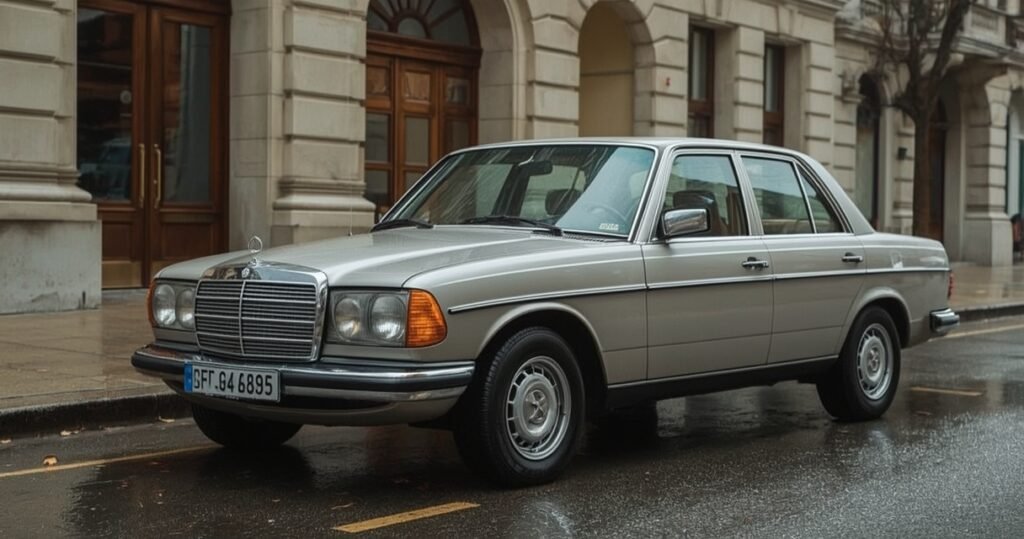
Classic Mercedes-Benz vehicles have long been admired for their timeless design, advanced engineering, and distinct status within automotive history. As interest in vintage and pre-owned Mercedes continues to grow, many prospective buyers and car enthusiasts ask: are old Mercedes reliable? This question is important not only for collectors but also for those looking for a durable, enjoyable, and potentially practical classic car. Assessing the reliability of old Mercedes models involves understanding engineering philosophies, maintenance needs, common issues, and the role of expert care. In this article, we examine the reliability of classic Mercedes-Benz vehicles using insights from automotive experts, maintenance data, and owner experiences.
What defines an “old” Mercedes?
The term “old Mercedes” typically refers to models produced from the 1960s through the early 1990s, although the specific cutoff may vary among enthusiasts and collectors. Many consider vehicles from the “W” series chassis platforms—such as the W123 (1976–1985), W124 (1984–1995), W126 (1979–1991), and the iconic W201 “190E” (1982–1993)—to be representative of this era. These vehicles are noted for their robust build quality, relative mechanical simplicity compared to modern vehicles, and engineering that prioritized longevity over planned obsolescence.
Key characteristics of classic Mercedes models
- Body-on-frame or unibody construction with extensive use of galvanized steel
- Highly durable engines, often inline-six or diesel
- Mechanical fuel injection and hydraulic systems in certain models
- Timeless, understated design with functional interiors
Engineering philosophy: Built to last
Mercedes-Benz engineers during the 20th century were guided by the brand’s reputation for overengineering. Vehicles of this era were not just designed for luxury and performance, but also for longevity and serviceability. Many owners report their cars remaining operational after hundreds of thousands of miles, due in part to high-quality materials, straightforward mechanical components, and an emphasis on durability over cost-cutting. Industry publications and knowledgeable mechanics often cite these classic Mercedes models as benchmarks for reliability, especially when compared to their contemporaries.
Examples of highly regarded models
- W123 (1976–1985): Renowned for its bulletproof diesel engines and simple electrical systems, with many examples worldwide exceeding 400,000 miles.
- W124 (1984–1995): Sometimes called the “last true Mercedes,” praised for its advanced yet robust engineering and widespread use as taxis in Europe.
- W126 (1979–1991): The S-Class of its era, famous for comfort, substantial build quality, and well-proven six- and eight-cylinder engines.
Common issues with old Mercedes vehicles
No classic car is immune to aging or wear, and vintage Mercedes are no exception. Despite their durable nature, several common issues have been documented by owners, mechanics, and automotive analysts. Many of these concerns, however, stem not from inherent design flaws but from deferred maintenance or age-related deterioration.
Mechanical and electrical concerns
- Suspension and bushings: Rubber components such as bushings, mounts, and subframe inserts can degrade and lead to noisy, less precise handling.
- Rust: While many models featured rust protection, older vehicles (especially those subjected to harsh climates without preservation) can suffer from corrosion in floor pans, wheel arches, and around the windshield.
- Worn timing chains: Some engines, such as the M103 and M104 inline-sixes, are known for needing periodic timing chain and tensioner replacements to avoid catastrophic failure.
- Vacuum system leaks: Many functions in old Mercedes rely on vacuum lines (door locks, climate control), which become brittle and leak over decades, requiring restoration.
- Electrical gremlins: Aging wiring and fuse boxes can cause intermittent faults, especially if prior owners did not use OEM or high-quality replacement components.
Importantly, most of these issues are manageable and relatively predictable. Seasoned mechanics note that neglect—such as infrequent oil changes, delayed fluid flushes, and poor-quality replacement parts—poses a much greater threat to reliability than engineering shortcomings.
Maintenance practices and their impact on reliability
The life expectancy and dependability of any old Mercedes are greatly influenced by service records, quality of care, and adherence to recommended maintenance schedules. Many ongoing issues trace directly to improper or infrequent maintenance, which can accelerate wear and compound small faults into costly repairs. Conversely, well-maintained vehicles often continue operating reliably for decades.
Essential maintenance routines
- Regular oil and filter changes with manufacturer-approved fluids
- Frequent inspection and replacement of rubber components and hoses
- Cooling system checks, including flushes and radiator care
- Keeping vacuum and electrical systems in good working order
- Bodywork inspections and prompt rust prevention or repair, especially for models from the 1970s and 1980s
Expert recommendations
Automotive experts and classic car specialists advise that sourcing genuine Mercedes-Benz parts or reputable aftermarket alternatives is crucial. While some parts are more expensive than for mass-market vehicles, the longevity and performance of OEM components are typically superior. Secure service from mechanics experienced with vintage German cars is also highly recommended, as correct diagnosis and repair knowledge can greatly reduce the risk of recurring issues.
Total cost of ownership: Pragmatism vs. passion
While many old Mercedes models offer excellent reliability when maintained correctly, the cost of ownership should be considered realistically. Routine upkeep is more important and often more expensive than for less sophisticated vehicles, due to the complexity of certain components and the higher cost of premium parts. However, the initial purchase price of old Mercedes can be very reasonable, especially when compared to modern luxury cars, and many parts are still widely available due to international demand. Models like the W123 and W124 have extensive global parts networks and strong communities for support and troubleshooting.
Factors affecting ownership costs
- The condition and maintenance history of the specific car
- The model’s popularity and availability of spare parts
- Professional vs. DIY maintenance capabilities
- Insurance costs for classic vehicles
- Fuel and efficiency considerations for older engine technologies
In general, total cost of ownership is manageable for enthusiasts who appreciate the car’s engineering and are prepared for routine spending. For those expecting the reliability of a nearly new mainstream vehicle without proactive maintenance, costs can quickly escalate.
Myths and misconceptions about classic Mercedes reliability
Several persistent myths surround the reliability of old Mercedes-Benz vehicles. Some assume that German luxury cars are inherently fragile or expensive to own, while others believe that their legendary durability means they require little or no maintenance. Accurate information lies between these extremes, informed by the real-world experiences of owners, mechanics, and historians.
Common myths debunked
- Myth: All old Mercedes are “bulletproof” and never break down.
Reality: While many models are impressively durable, neglect, misuse, or rust can seriously threaten reliability. Even the most robust design will fail if not properly maintained. - Myth: Old Mercedes are prohibitively expensive to own.
Reality: Ownership costs are higher than for mainstream, mass-produced cars, but not necessarily out of reach. DIY skills and sourcing affordable parts can help control expenses. - Myth: Modern cars are always more reliable than classic cars.
Reality: Many classic Mercedes models feature less complex electronics and easier-to-service components than contemporary cars, which can simplify long-term maintenance if cared for properly.
Case studies: Real-world reliability stories
To illustrate how reliability plays out in practice, owner testimonials and automotive journalism provide compelling cases. High-mileage records for Mercedes diesels, especially the W123 and W124, are well documented, with some verified examples surpassing one million kilometers (over 600,000 miles). Taxi drivers in Europe, the Middle East, and Africa have long favored these models due to their endurance and simple upkeep. Classic Mercedes forums and enthusiast clubs often feature stories of inherited cars running decades after leaving the factory, provided they were maintained consistently.
Professional reviews
Organizations such as Consumer Reports and independent car reviewers have often praised classic Mercedes vehicles for standing the test of time. Automotive engineers have dissected these models to study overengineering choices, such as heavy-duty transmissions and use of high-tolerance machined metal rather than plastics in key areas. These design decisions contribute to the longevity and long-term reliability for which the brand became synonymous.
Enthusiast perspectives
Online forums and Mercedes-Benz clubs are valuable resources, offering practical advice, known weak points, and repair guides. The collective wisdom from decades of ownership creates a knowledge base for troubleshooting and optimizing reliability, especially for those new to classic Mercedes models.
Modern usage: Are old Mercedes still practical?
For those considering daily use of an old Mercedes, practicality largely depends on expectations and commitment to maintenance. While classic Mercedes models can provide a comfortable and reliable driving experience even today, they lack some of the convenience, safety, and efficiency technologies found in recent vehicles. Power windows, cruise control, and anti-lock brakes were optional or early-generation in many classic models, and air conditioning performance can be less effective compared to modern standards. However, the straightforward mechanical engineering and analog controls will appeal to drivers who appreciate a vintage, tactile automotive feel.
Environmental considerations
An increasing number of cities are restricting older vehicles in urban centers due to emissions standards. Prospective owners should research local regulations, especially for diesel-powered models. In some cases, retrofitting emissions controls or securing historic vehicle status for limited use may provide a solution.
Expert tips for buying an old Mercedes
For those drawn to the allure of driving a classic Mercedes, careful selection is essential. Experts suggest the following approach to maximize reliability and enjoyment:
- Thoroughly inspect the car’s body for corrosion, especially on floor pans, wheel arches, and around glass
- Review service records to ensure maintenance intervals have been followed
- Test all mechanical and electrical functions, including climate control and vacuum-operated features
- Prioritize cars with a strong maintenance history over those that look cosmetically perfect but lack documentation
- Consult a mechanic or specialist with Mercedes-Benz experience before finalizing a purchase
- Join enthusiast communities for advice on repairs, parts sources, and troubleshooting
Summing up: Are old Mercedes reliable?
Classic Mercedes-Benz vehicles from the 1960s through the early 1990s are objectively among the most reliable cars of their era, renowned for robust engineering, long lifespans, and service-friendly designs. Their reputation is supported by owner experiences, industry analysis, and the global following they continue to enjoy. However, reliability in old Mercedes is closely tied to diligent maintenance, the use of quality parts, and an owner’s willingness to address age-related issues methodically. For those who value iconic design and are prepared for a higher standard of care, old Mercedes can deliver a rewarding and reliable driving experience that stands the test of time.

An experienced automotive writer and industry analyst with a strong passion for cars, engineering, and road performance. Specializes in delivering clear, insightful reviews, detailed comparisons, and practical advice for everyday drivers, gearheads, and those looking to make informed vehicle choices.