
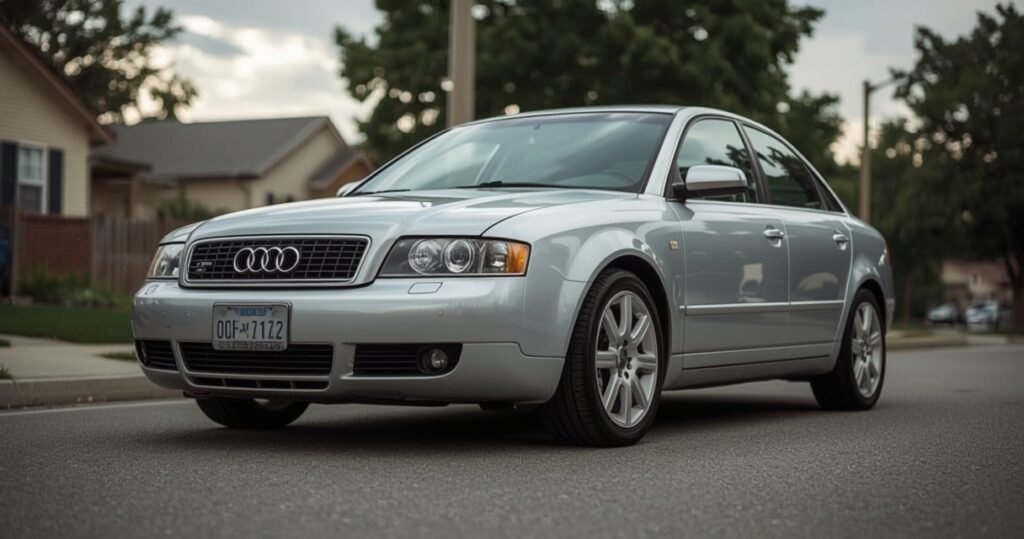
Many car enthusiasts and everyday drivers alike have wondered about the enduring quality of older Audi vehicles. The appeal of a used Audi—spanning elegant design, refined engineering, and often exciting performance—can make them attractive on the pre-owned market. Yet a persistent question lingers: are old Audis reliable? This article delves into the reliability of older Audi models, exploring their strengths and weak points, common maintenance concerns, expert assessments, and tips for prospective buyers. Drawing on reputable automotive sources, consumer data, and expert opinion, this guide aims to provide clear, evidence-based answers for anyone considering whether an older Audi is a safe and sensible investment.
Understanding reliability: what does it mean for older cars?
Before examining the specific case of old Audis, it is important to define what ‘reliability’ means in the automotive world. For most consumers, reliability refers to how often a car needs repairs, the severity and cost of those repairs, and whether the vehicle consistently gets its owner where they need to go without interruption. In the context of used cars, reliability also encompasses how gracefully a vehicle ages, how its complex systems hold up to years or decades of use, and how well it was maintained by previous owners.
The evolution of Audi engineering
Audi, as a part of Volkswagen Group, has a long-standing reputation for engineering innovation and precise German craftsmanship. Older Audis such as the A4, A6, and Quattro from the late 1990s and early 2000s once stood at the forefront of luxury and performance. They were equipped with advanced technologies for their time—ranging from quattro all-wheel drive to turbocharged engines and sophisticated interiors.
This engineering focus gave Audis a unique edge but also introduced complexity. While innovation can provide impressive features and driving enjoyment, it often means more components that could potentially fail as cars age. To assess whether old Audis are reliable, it’s crucial to look at both the benefits of their design and the cost of their complexity over time.
Common reliability issues in old Audis
A survey of automotive reliability ratings and repair data highlights several themes that are relevant to older Audis. Understanding these issues is essential for anyone considering buying or maintaining one of these vehicles.
Electrical system woes
One of the most frequently cited concerns with aging Audis involves their electrical systems. Models produced in the late 1990s through the early 2010s sometimes suffer from problems such as faulty window regulators, malfunctioning central locks, failing sensors, or dashboard instrument glitches. The root of these issues is often traced to intricate wiring harnesses and multiple electronic modules—innovations that were ahead of their time but may not have weathered the years as well as their mechanical counterparts.
Engine and transmission concerns
Some specific Audi engines, such as the 2.0T (turbocharged four-cylinder) and certain V6 variants, have been known to develop oil consumption problems, timing chain issues, or coolant leaks. Automatic transmissions, especially the early multitronic CVT (Continuously Variable Transmission) systems, can be another weak link, sometimes requiring costly repairs or replacement. However, Audis equipped with the traditional manual gearbox and well-serviced engines often deliver strong longevity if maintenance has been consistent.
Suspension and ride components
Many Audis, particularly higher-end models with air suspension or complex multi-link setups, offer a refined, comfortable ride. However, these advanced systems incorporate numerous bushings, control arms, and sometimes air compressors—all components that are subject to wear. On older vehicles, replacing these parts can be labor-intensive and expensive.
Corrosion resistance
On a positive note, most Audis from the early 2000s onward are known for impressive corrosion resistance, thanks to galvanized steel bodies and high-quality paint. This means that rust is less of an issue compared to some other European brands from the same period. Well-cared-for Audis can maintain a clean appearance for decades, especially in moderate climates.
Performance versus longevity
Performance is a key part of Audi’s brand identity. Models such as the S4, TT, and later S-line variants combine athletic handling with powerful engines. However, high-performance variants tend to be driven harder, and their specialized components—turbochargers, performance brakes, and sports suspensions—may require more frequent attention as they age. For buyers prioritizing reliability, base-model Audis with naturally aspirated engines and more conventional features tend to fare better in the long run.
Owners’ experiences: satisfaction and cautionary tales
Owner satisfaction surveys offer another perspective on the reliability of older Audis. Some drivers sing the praises of 15- or even 20-year-old Audis that have covered hundreds of thousands of kilometers with only routine service. Many emphasize the importance of regular oil changes, careful attention to fluids, and swift repair of minor issues before they become major problems.
However, other owners report frustration with repeated electrical gremlins, high costs for parts, or unanticipated breakdowns that took their cars off the road for extended periods. According to several reputable automotive organizations, including Consumer Reports and J.D. Power, older Audis often score mid-pack or slightly below average when compared to similarly aged vehicles from Lexus, Toyota, or Honda. Luxury European cars in general, including Audis, tend to require more frequent and expensive maintenance as they mature.
The importance of maintenance history
No discussion about the reliability of an old Audi is complete without mentioning maintenance. The single most important variable in how reliably an older car functions is how well it has been maintained. Even a brand known for sturdy engineering will falter if basic service intervals are ignored.
For Audis, key elements of a good maintenance record include:
- Frequent oil changes, ideally with OEM-approved synthetic oil
- Timely replacement of timing belts or chains (depending on engine type)
- Regular coolant flushes and replacement with Audi-specific coolant
- Transmission and brake fluid changes according to factory intervals
- Inspection and lubrication of suspension and steering components
Potential buyers should request full service history, verifying that both routine and preventive maintenance have been performed. Neglected Audis are more likely to exhibit both minor problems and catastrophic failures as they age.
Expert recommendations for old Audi buyers
For those drawn to the style and driving feel of older Audis, informed purchasing and ownership decisions can mitigate much of the risk associated with these vehicles. Automotive experts and seasoned Audi mechanics often offer several sound recommendations:
- Focus on simpler models with naturally aspirated engines and manual transmissions when possible—these are generally less costly to maintain.
- Avoid first-year models of complex new technologies, as early iterations of new engines or gearboxes sometimes harbor unrefined or less reliable designs.
- Have any prospective used Audi inspected by a specialist who knows the marque. Pre-purchase inspections can reveal hidden issues or poorly executed repairs.
- Budget for ongoing maintenance—plan on setting aside additional funds each year for unexpected repairs, especially with higher-mileage vehicles.
- Join the Audi enthusiast community for support, advice, and collective troubleshooting. Long-term owners often have fix-it tips and can recommend trustworthy mechanics.
Myths about old Audi reliability
Several myths and misconceptions swirl around the topic of old Audi reliability. Dispelling these can help buyers make more balanced decisions:
- Myth: “All old German cars are unreliable.” While German luxury brands like Audi can present more complicated problems as they age, well-maintained examples can be remarkably robust. Reliability varies significantly by model and how the car has been cared for.
- Myth: “Parts are impossible to find.” While some niche components for rare Audis can be scarce, most common mechanical and electronic parts are still available from authorized dealers, aftermarket suppliers, or salvage businesses.
- Myth: “A well-maintained Audi never breaks down.” Regular upkeep greatly improves reliability, but older cars of any brand—including Audi—may still require occasional repairs for age-related wear.
- Myth: “Audi repairs always cost a fortune.” While some issues can be expensive (for example, transmission or timing chain work), many common repairs are manageable in cost, especially at independent specialist shops.
Comparing Audis to other used luxury vehicles
In the broader landscape of European luxury cars, Audis occupy a middle ground regarding long-term reliability. Lexus and Acura often lead reliability studies for older luxury vehicles, thanks to simpler designs and Toyota/Honda build quality. Mercedes-Benz and BMW, like Audi, blend advanced engineering with higher cost of ownership as vehicles age. Among these, many experts report that Audis, particularly from the late 2000s and early 2010s, are less prone to catastrophic engine failures than some BMWs but may face more electrical issues than a similar-era Mercedes-Benz.
The reputation for under-engineered plastic parts inside the cabin or intricate electrical systems ties all German luxury cars together in the eyes of critics. However, Audi’s quattro system and rust-resistant bodies typically score high marks for durability, and their understated, timeless styling allows well-kept examples to age gracefully.
Cost of ownership: what to expect
For budget-conscious drivers, the cost of ownership for an old Audi extends beyond the purchase price. Insurance premiums, fuel economy, routine servicing, unexpected repairs, and even taxes can be higher than for non-luxury brands. Common repair costs for old Audis may include:
- Timing belt/chain service: can range from moderate to expensive, depending on engine layout
- Replacement of electrical components such as sensors or control modules
- Suspension repairs, especially for vehicles with adaptive or air suspension
- Transmission servicing or rebuilds
- Maintenance of advanced braking or stability control systems
By contrast, DIY enthusiasts may be able to tackle some routine maintenance tasks themselves, reducing labor expenses. However, complex diagnostics or repairs often require professional-grade tools, software, and specialized knowledge—making a trustworthy mechanic a valuable ally for any older Audi owner.
Warning signs when shopping for an old Audi
When searching for a used Audi more than 10–15 years old, prospective buyers should be vigilant for the following potential red flags:
- Incomplete service records or unexplained gaps in maintenance history
- Unusual engine noises, smoke, or oil leaks
- Warning lights on the dashboard, especially those related to ABS, airbag, or transmission systems
- Erratic shifting or slipping from automatic transmissions
- Excessive body or interior wear relative to reported mileage
- Electrical functions that do not operate properly (windows, climate control, infotainment)
- Evidence of water damage or corrosion on undercarriage components, wiring, or in the trunk
Addressing these issues before purchase, or avoiding vehicles that display them, can save significant time, money, and frustration down the line.
Are old Audis reliable? The verdict
The answer to the question “are old Audis reliable?” depends on several factors. When well-maintained, older Audis can be enjoyable, stylish, and relatively durable automobiles—particularly if previous owners have adhered to factory service recommendations and replaced wear-prone parts proactively. However, their complex engineering means that neglected vehicles may develop troublesome (and sometimes expensive) problems as they age.
For buyers willing to invest time and care into selecting the right example, and who understand the importance of ongoing maintenance, an old Audi can provide years of enjoyable motoring. Those seeking absolute, hassle-free reliability may be better served by simpler vehicles from brands with consistently higher long-term reliability ratings. Ultimately, every used car purchase carries an element of risk, but education, preparation, and attention to detail can dramatically shift the odds in your favor—especially with a marvel of engineering like an aging Audi.

An experienced automotive writer and industry analyst with a strong passion for cars, engineering, and road performance. Specializes in delivering clear, insightful reviews, detailed comparisons, and practical advice for everyday drivers, gearheads, and those looking to make informed vehicle choices.