
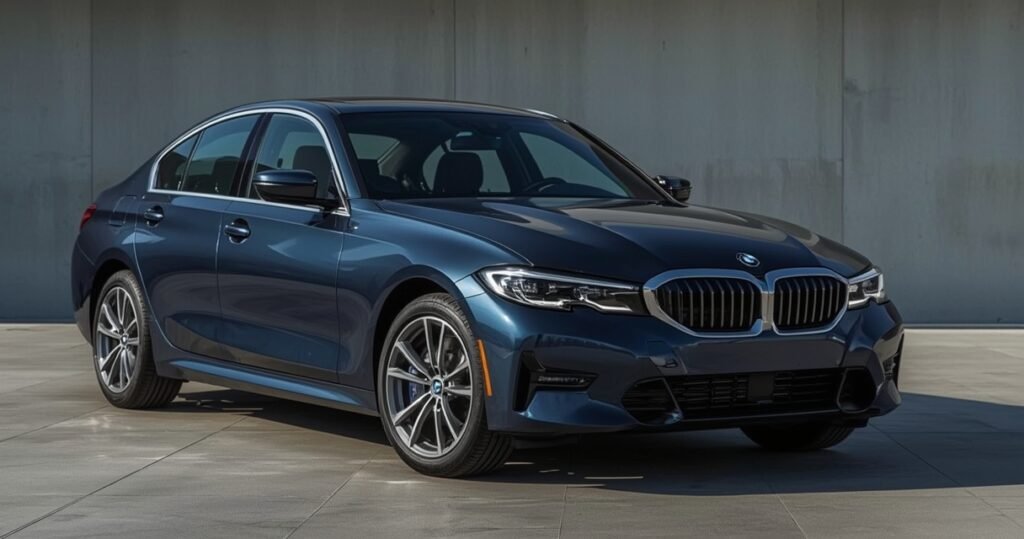
When it comes to purchasing a luxury vehicle, reliability is often a primary concern, especially with brands known for advanced engineering and cutting-edge features like BMW. Over the years, BMWs have developed a reputation for both exceptional driving dynamics and, at times, complex maintenance requirements. With ongoing advancements in technology and updated manufacturing processes, many potential buyers wonder: are newer BMWs reliable? In this article, we’ll take an in-depth look at the reliability of modern BMWs, explore what influences their dependability, compare them to previous generations and competitors, and provide practical tips for owners and shoppers.
Understanding BMW’s reputation: past and present
BMW, short for Bayerische Motoren Werke AG, is one of the world’s most iconic automotive manufacturers. For decades, BMW vehicles have been synonymous with performance, luxury, and innovative engineering. However, this reputation comes with mixed opinions regarding reliability, especially as models from the late 1990s through the early 2010s faced some high-profile mechanical and electrical issues. But are newer BMWs reliable when compared to their predecessors?
Historical reliability challenges
Older BMWs, particularly models like the E46 3 Series and E60 5 Series, often delivered exhilarating driving experiences. However, they were sometimes plagued by issues such as:
- Premature cooling system failures
- Oil leaks and gasket issues
- Complex electrical problems
- Costly repairs due to intricate engineering
These challenges contributed to a perception that BMWs, while enjoyable to drive, were demanding in terms of upkeep.
Recent improvements in build quality and design
Recognizing past issues, BMW has invested significantly in quality control and manufacturing. The brand continues to innovate, using robust materials and improved assembly processes, often resulting in a marked improvement in reliability ratings for many newer models.
Evaluating the reliability of newer BMWs
The question “are newer BMWs reliable?” hinges on several factors, including the era of manufacture, model type, and the perspective of industry experts and ownership surveys. Let’s analyze recent evidence and what current drivers report.
Industry reliability ratings
Well-known sources such as Consumer Reports, J.D. Power, and the annual Vehicle Dependability Study provide valuable long-term reliability insights. According to recent data:
- The latest BMW 3 Series and 5 Series models typically score around or slightly above average for reliability within their segments.
- BMW’s X-series SUVs, particularly the X3 and X5, have improved in dependability, with current models avoiding many of the powertrain issues of older generations.
- Hybrid and electric BMWs—like the i4 and iX—are early in their production cycles, making long-term judgments challenging, but initial data suggest robust build quality.
These improvements indicate that many of the most persistent reliability concerns have been addressed. However, reliability scores can shift as newer models age and real-world issues emerge.
Owner satisfaction and reliability surveys
Ownership experience is another key measure. Recent surveys by organizations like What Car? (UK) and U.S.-based satisfaction polls reveal:
- High marks for engine performance and driving dynamics
- General satisfaction with infotainment and safety features
- Moderate to high maintenance costs, although the frequency of repairs has decreased in the latest models
It’s important to note that reliability does not necessarily mean a car never expereinces issues, but rather how frequently they occur and how costly or disruptive these issues are to address.
Common reliability concerns in modern BMWs
Although significant progress has been made, newer BMWs are not entirely free from issues. Here are some of the most reported concerns and how they compare to older models:
Complexity and electronics
Modern BMWs are heavily dependent on electronic systems for everything from navigation to advanced driver-assist features. While these add to convenience and prestige, early bugs or failures can result in costly diagnostics and repairs. Compared to older BMWs, the main difference is that contemporary issues are more likely to be electronic rather than purely mechanical.
Turbocharged engines and emissions systems
The shift toward turbocharging for performance and efficiency has presented new reliability dimensions:
- Potential for carbon buildup in direct-injection engines
- Occasional reports of turbocharger or wastegate failures, though less frequent thanks to better engineering
- Complex emissions-control systems (especially on diesel models), which can lead to expensive repairs as the car ages
These issues are not unique to BMW and are present in many modern vehicles that use similar technology.
Maintenance and running costs
A key factor in perceived reliability is the cost and frequency of maintenance. While newer BMWs tend to have longer service intervals and improved materials (such as lifetime transmission oil in some models), genuine parts and qualified service can be expensive, especially beyond the warranty period.
Build quality and longevity
The use of higher-quality components, galvanization for rust resistance, and stricter manufacturing tolerances means that newer BMWs generally age better than previous generations—paint finishes, interiors, and bodywork commonly maintain their condition for longer.
BMW reliability compared to its peers
Luxury vehicle buyers also consider how BMW stacks up against other premium brands. In recent years, several studies have placed BMW’s reliability on par with, or occasionally better than, primary competitors such as Mercedes-Benz and Audi. Lexus and Acura typically continue to outperform in this area, but BMW’s gap has narrowed.
Warranty considerations
BMW offers a competitive new car warranty (typically four years or 50,000 miles in the United States, with regional variations elsewhere). Many models also include free scheduled maintenance for a limited period. This coverage helps mitigate some concerns regarding unforeseen reliability issues.
Do newer BMWs require special care?
Regardless of manufacturing improvements, all high-performance vehicles—including new BMWs—benefit from attentive ownership. Maintenance routines should always follow the manufacturer’s guidelines. Here are a few tips for maximizing the reliability of a newer BMW:
- Maintain regular oil changes, even if long service intervals are advertised, to protect the turbocharged engine components.
- Address warning lights or error messages promptly, especially those related to the engine, transmission, or emissions system.
- Use high-quality fuel and, where possible, avoid short trips that don’t allow the engine to reach optimal temperature.
- Follow software update recommendations, as modern BMWs often improve reliability through over-the-air patches and system corrections.
- Service complex features—such as adaptive suspension or all-wheel drive systems—at qualified BMW service centers.
Expert recommendations and perspectives
Automotive experts frequently point out that while new BMWs are more reliable than previous models, expectations must be set realistically, given the sophistication of modern vehicles. A few points often mentioned include:
- The overall rate of major breakdowns has decreased.
- Electronic glitches—though less devastating than major engine failures—may require technical expertise to resolve.
- For buyers seeking minimal hassle, certified pre-owned BMWs that have passed thorough inspections offer an appealing combination of value and reassurance.
Experts also suggest that reliability varies by model line. For example, the 3 Series and X3 often outperform larger, more complex models in ownership satisfaction surveys.
Myths and misconceptions about BMW reliability
The topic of BMW reliability is rife with myths, which can affect buying decisions. Here are some of the most common, and the reality behind them:
Myth: “All BMWs are unreliable”
This is an oversimplification that ignores significant variance among models, years, and how a particular vehicle is maintained. Current data reveal that many new BMW models perform at or above the industry average for reliability.
Myth: “BMW maintenance is always unaffordable”
While premium parts and technology can make repairs more costly than mainstream brands, scheduled maintenance—especially when performed at certified centers and using factory parts—can help prevent expensive breakdowns. Some routine care, such as brake pad or tire replacement, is comparable to other luxury vehicles.
Myth: “Newer technology always leads to more problems”
Modern features do add complexity, but many also improve reliability. For instance, better corrosion protection, improved engine management, and real-time monitoring systems help prevent issues that would have previously gone unnoticed.
Should you buy a newer BMW for daily use?
For those considering a BMW as a daily driver, newer models can offer a reliable, comfortable, and high-performing experience, especially if maintenance schedules are followed diligently. Several factors should be considered:
- Warranty coverage (including any remaining maintenance or roadside assistance plan)
- Service log and evidence of regular care, particularly for used vehicles
- Driving habits: urban environments with frequent stops may require different maintenance attention than highway usage
It’s also advisable to consult regional consumer reports and local ownership forums, as reliability can sometimes vary based on climate and road conditions.
Conclusion: are newer BMWs reliable?
The answer to “are newer BMWs reliable?” is more nuanced than ever. Thanks to rigorous engineering improvements, better materials, and advanced diagnostics, reliability has improved across most of BMW’s lineup. Modern BMWs can provide years of dependable transportation if properly maintained and serviced. Still, their sophisticated nature requires committed upkeep, and repair costs can be higher than average if issues do occur.
For those willing to invest in regular care and appreciate the blend of performance and luxury, newer BMWs represent a notable leap forward in reliability compared to older generations. As with any premium vehicle, informed ownership and realistic expectations are the keys to satisfaction and long-term dependability.

An experienced automotive writer and industry analyst with a strong passion for cars, engineering, and road performance. Specializes in delivering clear, insightful reviews, detailed comparisons, and practical advice for everyday drivers, gearheads, and those looking to make informed vehicle choices.