
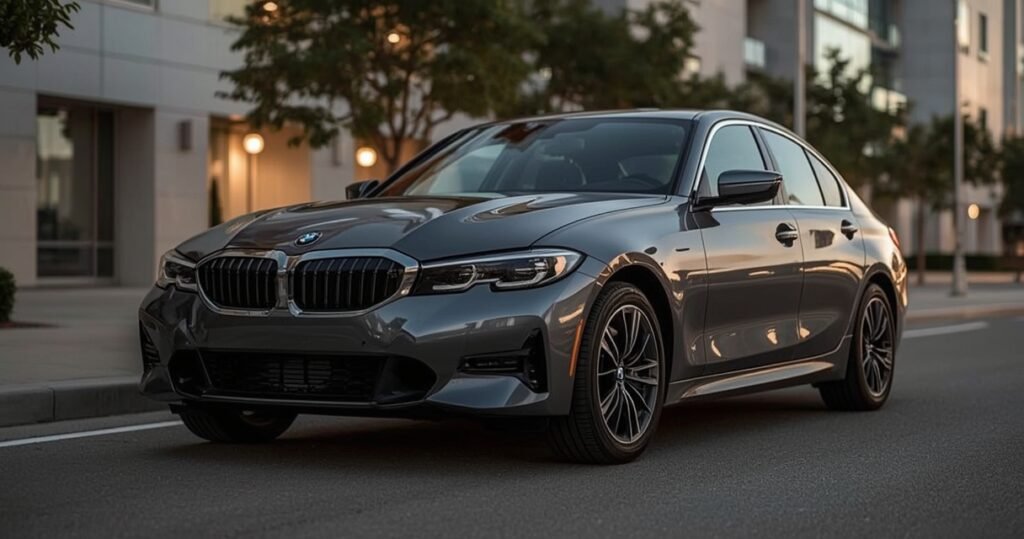
The reputation of German engineering, especially when it comes to luxury vehicles, often draws consumers to brands like BMW. However, the question “are new BMWs reliable?” frequently surfaces among potential buyers and automotive enthusiasts alike. This article provides a comprehensive, unbiased look at the reliability of recent BMW models, evaluating what reliability means in the context of modern luxury vehicles, comparing industry data, addressing common concerns, and offering practical advice for those considering a new BMW.
Understanding reliability in modern vehicles
Reliability in cars is no longer just about how infrequently a vehicle breaks down. Instead, it encompasses long-term durability, frequency and cost of repairs, unscheduled maintenance, and overall ownership satisfaction. For premium brands like BMW, factors such as technological complexity, performance tuning, and electronic integration significantly affect perceived and measured reliability.
How is automotive reliability measured?
Several organizations collect extensive data on vehicle reliability, including J.D. Power, Consumer Reports, and major automotive publications. Their reliability studies typically consider:
- Number and type of problems reported per vehicle over specified periods
- Warranty claims and dealer repair statistics
- Owner satisfaction surveys
- Projected cost and frequency of repairs
These metrics help identify both systemic issues with certain models and year-to-year improvements or declines in brand performance.
Are new BMWs reliable? An overview of the data
BMW has historically been a symbol of sports performance, technological innovation, and luxury. Yet, its reliability reputation is nuanced, varying by model, year, and the evolving technological landscape.
Recent reliability rankings
Based on recent data from major sources:
- J.D. Power’s 2024 U.S. Vehicle Dependability Study: BMW ranks above the luxury segment average, showing improvement over previous years. Some models, especially the 3 Series and X3, perform particularly well.
- Consumer Reports: BMW models generally earn “average” or “above average” predicted reliability in their annual surveys. Electric models, like the i4 and iX, show strong initial reliability scores.
- RepairPal: BMW’s brand reliability rating is slightly below average compared to all car brands but typical for a European luxury brand. Average annual repair costs and frequency of shop visits tend to be higher than Japanese competitors but comparable to other German marques.
Strengths of new BMWs
New BMW models stand out in several areas:
- Use of advanced materials and engineering practices that enhance durability
- Modern powertrains that balance efficiency and robust performance
- Extensive standard safety and driver assistance technologies
- Strong warranty packages, often including complimentary scheduled maintenance for the initial ownership period
Common concerns and challenges
Despite these strengths, there are recurring concerns among owners and experts:
- Complex electronics and infotainment systems may be prone to glitches or require software updates
- Higher maintenance and repair costs compared to mainstream brands, due in part to specialized components and service requirements
- Some turbocharged engines have experienced issues with components like high-pressure fuel pumps and cooling systems, though improvements are ongoing with newer models
- Electrical system faults, often minor, can trigger warning lights or limp-home modes, leading to owner frustration
BMW technology and its impact on reliability
The push for innovation means that BMW frequently incorporates cutting-edge technology, from advanced infotainment systems to high-performance hybrid and electric powertrains. While this approach enhances the driving experience and safety, it can also introduce reliability risks, especially in the first few production years of new technologies.
Examples from recent models
For instance, the BMW iX and i4 use new-generation batteries and control electronics, which so far have proven durable in early real-world use. However, as with all new tech, long-term data is still accumulating. Meanwhile, the widely used B58 inline-six engine, introduced in the mid-2010s, has built a solid reputation for both performance and dependability when properly maintained.
Reliability compared: BMW and its competitors
In the context of the broader luxury automotive market, BMW’s reliability is on par with or better than most direct rivals.
BMW vs. Mercedes-Benz
Both brands score similarly in most recent studies. While Mercedes is sometimes seen as marginally more reliable in terms of engine and drivetrain longevity, BMW typically impresses with more robust suspensions and less frequent electronic malfunctions in later models. Both, however, require higher maintenance investment than mainline non-luxury brands.
BMW vs. Audi
Audi, another major German competitor, displays reliability patterns much like BMW: strong build quality, but complex electronics that can be costly to repair out of warranty. Owner satisfaction is often high among both BMW and Audi users, provided proper maintenance is observed.
BMW vs. Lexus
Lexus remains the industry benchmark for reliability, frequently topping reliability studies. BMWs may not match Lexus in absolute dependability or ownership cost, but they often surpass Lexus in dynamic handling and performance, highlighting the trade-offs between engaging driving and long-term trouble-free motoring.
Factors affecting BMW reliability
Unlike earlier generations, virtually all new BMWs integrate turbocharged engines, hybridization, and sophisticated infotainment platforms. These systems require specialized care, quality control at manufacturing, and occasionally, software updates or recalls to remedy issues discovered after launch.
Key factors influencing reliability include:
- Maintenance adherence: BMWs require regular maintenance, including timely oil changes, fluid checks, and software updates, often performed at authorized centers using specified parts.
- Driving style: Hard driving, frequent short trips, and irregular service can accelerate component wear.
- Geographical factors: Extreme temperatures, road conditions, and local fuel quality may affect wear and tear or cause specific problems.
What do real owners say?
Real-world owner testimonials reflect a mix of satisfaction and concern:
- Many new BMW owners are extremely satisfied, citing superb driving experience, modern interiors, and strong dealer support during the warranty period.
- Recurring frustrations include unexpected warning lights, electronic malfunctions, and, occasionally, dealership wait times for parts or updates.
- Long-term owners stress the importance of dealer-recommended maintenance and being proactive with minor repairs to prevent larger issues.
Expert tips for improving BMW reliability
Automotive experts and technicians consistently offer these recommendations to maintain optimal reliability and minimize surprises:
- Keep up with all scheduled maintenance—timely oil changes, brake fluid flushes, and replacement of high-wear parts are critical
- Address warning lights and error codes at the earliest opportunity, as ignoring small issues can lead to expensive repairs
- Use quality fuel and factory-specified parts, particularly with turbocharged or high-performance engines
- Take advantage of included maintenance plans and extended warranties, especially for higher-mileage driving or extended ownership
- Stay current on any recalls or technical service bulletins, which manufacturer and dealers issue to correct known issues
Myths and misconceptions about BMW reliability
BMW’s reputation is sometimes colored by persistent myths. It’s important to differentiate between outdated beliefs and current realities:
- Myth: “All BMWs are unreliable and expensive to keep.” While maintenance costs are generally higher, newer models show notable improvements. Consistent maintenance addresses most reliability concerns.
- Myth: “Modern BMWs break down often.” Data suggest new BMWs experience relatively few mechanical breakdowns during the warranty period, though electronic annoyances are more common.
- Myth: “Buying a BMW used guarantees disaster.” Later-model BMWs, especially those with full maintenance records, can be excellent values. However, skipping service or buying neglected examples can markedly increase risks.
Warranties and maintenance: mitigating ownership risks
BMW typically offers strong warranties and complementary maintenance plans on new vehicles, which include scheduled maintenance and coverage for many unscheduled repairs. This helps protect owners from unexpected costs during the early years. Extended warranties are also available for those who anticipate keeping the vehicle past its initial coverage period.
After the warranty period, owners should prepare for higher maintenance costs than economy brands, especially for less common parts or major repairs outside of regular service items. Experienced BMW technicians and shops familiar with the brand can help reduce costs and improve reliability by ensuring work is done right the first time.
Future outlook: electric BMWs and reliability
The rise of electric and hybrid BMW models is also reshaping reliability expectations. Electric vehicles (EVs) have fewer moving parts, eliminating some traditional failure points like complex transmissions or exhaust systems. Early reports indicate that BMW’s electrified models are reasonably robust, with primary concerns centering on battery longevity and software reliability.
Still, as with all automakers, real long-term data on EV reliability is only now beginning to emerge. For buyers interested in futureproofing, following battery warranty conditions and minimizing fast-charging can help maximize lifespan and trouble-free use.
Who should consider a new BMW?
BMWs appeal to those seeking a balance of driving excitement, modern design, and advanced technology. Prospective buyers who are willing to commit to regular, sometimes specialized maintenance, and who value performance and luxury, usually find BMW ownership rewarding.
For those prioritizing absolute lowest cost of ownership and single-minded durability, alternatives like Lexus or Acura may be preferable. However, for those drawn to engaging driving and the latest technology, new BMWs can be a highly satisfying and increasingly dependable choice.
Summary: Are new BMWs reliable?
The answer to “are new BMWs reliable?” is complex but, for most buyers, reassuring. Recent models show steady improvements, scoring average or better in leading reliability surveys. While repair costs remain above mainstream brands due to BMW’s engineering complexity, problems are infrequent for owners who follow recommended maintenance and address issues promptly. Key electronic systems still pose occasional frustrations, but the driving experience and safety features consistently stand out.
BMW continues to refine its practices, integrate feedback, and improve build quality, especially as it adapts to the electric era. With informed ownership, a new BMW can be both a dependable and exhilarating car to own, enjoying continued progress thanks to the brand’s focus on innovation and long-term quality.

An experienced automotive writer and industry analyst with a strong passion for cars, engineering, and road performance. Specializes in delivering clear, insightful reviews, detailed comparisons, and practical advice for everyday drivers, gearheads, and those looking to make informed vehicle choices.