
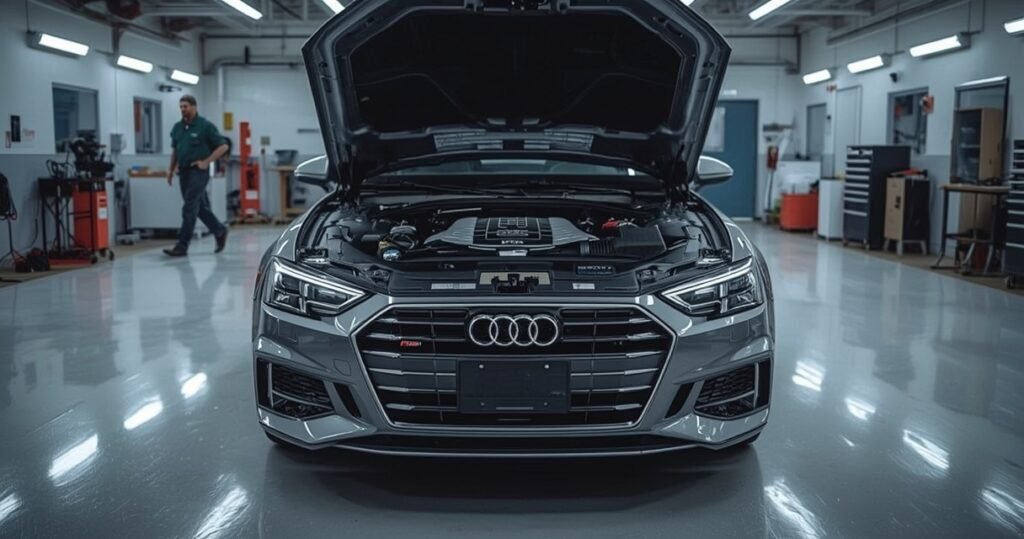
When considering the purchase of a luxury vehicle, reliability is often one of the central factors influencing the decision. Audi, a renowned German automaker, stands among the most popular choices in the premium segment, thanks to its mix of advanced technology, sophisticated design, and engaging driving experience. With recent advancements in automotive engineering and manufacturing, prospective buyers naturally wonder: are new Audis reliable? This article offers a comprehensive, research-driven exploration of this question, considering recent model data, expert analyses, owner experiences, technological factors, and the realities behind common perceptions.
Understanding reliability in luxury vehicles
Reliability refers not just to how long a car lasts, but how dependable it remains over time with routine maintenance. In the context of luxury vehicles such as new Audis, reliability often involves several dimensions: frequency of mechanical failures, cost and difficulty of repair, longevity of advanced features, and the consistency of real-world owner satisfaction.
Why reliability matters in luxury cars
For buyers in the premium market, expectations are high; luxury cars promise superior technology, comfort, and prestige, but often at the cost of more complex systems and higher maintenance expenses. Therefore, a truly reliable luxury vehicle minimizes unplanned trips to service centers, keeps total costs predictable, and ensures the car’s sophisticated systems maintain functionality over time.
Audi’s reputation: Historic reliability trends
Historically, Audi’s overall reputation for reliability has been somewhat mixed, especially compared to certain Japanese rivals. In earlier decades, Audis were sometimes criticized for electrical problems and complex designs that could be more difficult and expensive to repair. However, Audi has made significant investments in improving quality control, materials, and durability, particularly in models released in the last five years.
German automakers, including Audi, have traditionally prioritized performance, innovation, and luxury. Their vehicles are often equipped with advanced drivetrains, sophisticated infotainment systems, and a wide array of sensors and controls. While these features enhance the driving experience, they can introduce additional points of mechanical or electronic failure over the vehicle’s lifetime.
Current reliability ratings: What experts say
To evaluate whether new Audis are reliable, it is essential to consider recent data from authoritative sources, including consumer surveys, automotive experts, and independent testing organizations.
Consumer Reports findings
Consumer Reports is a widely respected resource for automotive reliability. Their annual surveys collect feedback from owners concerning issues across several categories, such as engine, transmission, electronics, and in-car technologies.
According to the most recent Consumer Reports data, new Audi models (particularly those released after 2021) have displayed moderate to above-average reliability, with some notable improvements in core areas like engine and transmission dependability. Models such as the Audi A4, Q5, and Q3 have received especially favorable marks, often rating above average compared to both European and American competitors. However, certain models—particularly those with cutting-edge features—can experience more frequent electronics or infotainment system issues.
J.D. Power and other industry benchmarks
J.D. Power’s annual Vehicle Dependability Study gathers owner-reported problems encountered over three years of ownership. In recent years, Audi has consistently ranked in the middle to upper tiers among luxury brands. The latest studies cite fewer mechanical breakdowns and improved finish quality, but some Audi models still struggle more than Japanese luxury vehicles such as Lexus and Acura.
The European vehicle reliability consulting firm, TÜV, which evaluates millions of vehicles annually for roadworthiness and common issues, reports that recent-generation Audis achieve results comparable to other premium German brands, with improvement noted particularly in newer models.
Breakdown of recent Audi models
Understanding whether new Audis are reliable requires examining specific models, as reliability can vary within the brand depending on engineering differences and component suppliers.
Audi A4 and A6
The Audi A4 and A6 sedans, mainstays of the brand, have earned solid reputations for durability and build quality in their newest iterations. Recent surveys indicate infrequent problems related to their basic mechanical systems, while the longevity of turbocharged engines and transmissions has continued to improve. Potential trouble spots remain in optional technology packages and early glitches in infotainment software.
Audi Q5 and Q3
Among SUVs, the Audi Q5 and Q3 have received consistently strong reliability scores. Owners report few major engine or drivetrain issues, and the vehicles are praised for their overall quality of assembly. As with other modern Audis, occasional complaints revolve around electronic system malfunctions, including climate controls and entertainment units, but these are rarely severe enough to impact overall satisfaction.
Electric and hybrid Audis (E-Tron series)
Audi’s foray into electric vehicles, such as the E-Tron lineup, is promising from a reliability standpoint. Electric vehicles generally have fewer moving parts than their combustion engine counterparts, which theoretically reduces the risk of mechanical failure. Early owner data and expert evaluations suggest minimal motor or battery issues thus far. However, long-term data is limited for these newer models.
Factors influencing Audi reliability
Multiple variables affect how reliable a new Audi will be over its lifespan, ranging from engineering philosophy to real-world maintenance practices.
Technological complexity
Modern Audis offer advanced driver-assistance features, adaptive lighting, sophisticated multimedia systems, and all-wheel drive options, which contribute to an engaging and safe driving experience but also increase the complexity of the vehicle. More features mean more potential points of failure, especially as vehicles accumulate mileage and electronic components age.
Materials and manufacturing improvements
Audi’s manufacturing process has evolved significantly in the past decade, incorporating higher quality materials, improved assembly robotics, and stricter quality assurance protocols. These advancements have helped reduce early-life defects and customer complaints, as evidenced by more favorable recent reliability scores.
Regional variations and climate
Owner experiences can differ according to geographical region. For example, Audis driven in areas with harsh winters and salted roads may be more prone to rust or suspension wear than those in milder climates, despite enhanced corrosion protection in newer models. Access to trained Audi technicians and genuine parts also influences long-term reliability.
Maintenance and owner behavior
Every vehicle, regardless of brand, relies heavily on consistent, high-quality maintenance to maximize reliability. Audis, like other luxury cars, can demand specialized fluids, diagnostic tools, and precise service schedules. Owners who adhere to manufacturer-recommended maintenance intervals tend to report fewer issues, while skipping services or using aftermarket parts can increase the risk of problems.
Cost of ownership and repairs
Reliability is closely linked with the costs required to keep a vehicle running smoothly. According to major automotive cost-tracking databases, the average annual maintenance and repair costs for new Audis are moderately higher than mass-market brands but generally consistent with other Europeans in the luxury segment such as BMW and Mercedes-Benz.
Routine services—oil changes, brake pad replacement, tire rotation—are often more expensive at dealerships compared to independent repair shops. However, it’s worth noting that specialized systems (such as Quattro all-wheel drive or adaptive air suspension) may require skilled Audi technicians, making dealer service preferable for complex repairs.
Warranty coverage and customer support
New Audis are accompanied by a comprehensive manufacturer’s warranty, which covers nearly all unexpected repairs within the initial years of ownership. This significantly reduces the immediate out-of-pocket cost of most issues and provides reassurance during the new-car period. Additionally, Audi offers optional extended service plans, which can be worthwhile for those planning to keep the car beyond the original warranty.
Common issues with new Audis: Myths vs. realities
Discussions about the reliability of new Audis are often influenced by outdated beliefs or personal anecdotes. Distinguishing myth from reality helps buyers make more informed decisions.
Myth: “All German cars are unreliable”
While many associate German vehicles with higher repair costs and complicated systems, modern German engineering (including Audi’s) has closed much of the reliability gap with Japanese brands. Most new Audis do not experience frequent catastrophic failures, and routine maintenance—and a little technical savvy—are often enough to keep them running well.
Myth: “Luxury features always break”
It is true that more features mean more can go wrong, but recent advances in system integration, standardized wiring, and robust testing have made new Audis more dependable than older models. Problems in technology packages still occur occasionally, but they are less frequent and less severe than in the past.
Reality: “Proper care is key”
A consistent theme in owner forums and professional assessments is that responsible maintenance plays a disproportionate role in preventing problems. Skipping oil changes, ignoring manufacturer software updates, or delaying repairs can turn a minor Audi maintenance issue into a much larger and expensive one.
Expert tips for maximizing Audi reliability
Automotive engineers and experienced Audi owners alike recommend a set of best practices for those looking to enjoy long-term trouble-free ownership:
- Follow the official maintenance schedule: Regular service according to Audi’s recommendations is essential, including oil changes, fluid inspections, and scheduled software updates.
- Use genuine Audi parts: Original equipment manufacturer (OEM) parts are designed for your vehicle’s exact specifications, improving compatibility and durability compared to many aftermarket parts.
- Find a reputable service center: Seek out Audi-certified service centers or independent specialists with a track record of dealing with Audi vehicles. Proper diagnostic equipment is crucial for today’s complex systems.
- Stay attentive to warning signs: Modern Audis are equipped with early warning detection systems. Don’t ignore dashboard alerts; addressing issues early can prevent costly repairs.
- Invest in quality tires and maintain proper pressure: Many reliability complaints are linked to tire or suspension issues—areas that regular inspection and high-quality components can significantly impact.
- Keep software current: For models with advanced infotainment and driver-assistance technology, keeping system software updated can address bugs and prevent feature malfunctions.
Comparing Audi reliability to competitors
When comparing new Audis to immediate rivals in the luxury segment, such as BMW, Mercedes-Benz, Volvo, and Lexus, the picture becomes clearer.
European luxury brands
Audi, BMW, and Mercedes-Benz share similar reliability profiles. All have improved in the last decade, though some models or years show higher rates of electronic or minor trim issues. Audi tends to offer slightly better reliability than some BMW models but may lag behind in certain complex hybrid or performance variants.
Japanese luxury brands
Lexus and Acura often rank at the top of reliability charts. They tend to have fewer long-term problems, especially concerning mechanical and electronic components. However, many buyers still choose Audi for its driving dynamics and advanced technology, accepting a slightly higher risk of tech-related issues in exchange.
Summary: Are new Audis reliable?
The answer to “are new Audis reliable?” is multifaceted. Newer Audi models boast significant improvements in build quality, engine robustness, and electronic reliability, with industry data suggesting moderate to high dependability, particularly when compared to European competitors. The most common concerns now center not on mechanical breakdowns but on the complexity of advanced features, which can occasionally malfunction. Proper maintenance, timely repairs, and use of genuine parts go a long way in preventing major problems.
For buyers seeking a luxury experience with cutting-edge technology and refined engineering, new Audis can be a dependable choice—provided they are prepared for slightly higher running costs and the occasional trip to a specialized service center. Expert consensus agrees: with attentive ownership and adherence to recommended care, the answer to “are new Audis reliable?” is increasingly positive.

An experienced automotive writer and industry analyst with a strong passion for cars, engineering, and road performance. Specializes in delivering clear, insightful reviews, detailed comparisons, and practical advice for everyday drivers, gearheads, and those looking to make informed vehicle choices.