
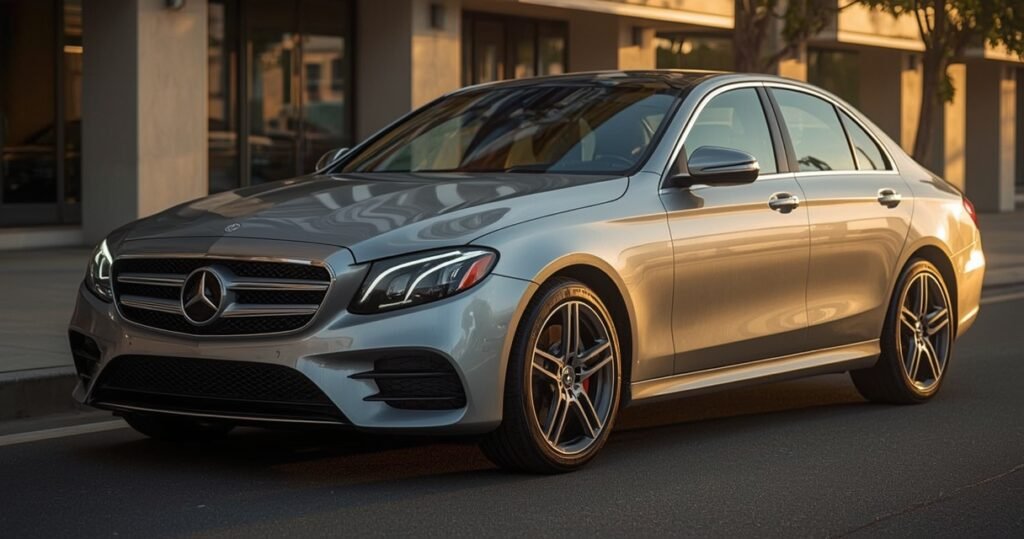
When considering the purchase of a pre-owned vehicle, the question “are Mercedes good used cars?” often arises among savvy car buyers. Mercedes-Benz, known for its legacy of luxury, innovation, and engineering excellence, holds a prestigious position in the automotive market. However, buying a used luxury car can be significantly different from investing in a brand-new model. This article offers a comprehensive look into the advantages, challenges, expert opinions, and practical advice pertaining to purchasing a used Mercedes-Benz, guiding you in making an informed decision.
M ercedes-Benz: reputation for quality and luxury
Mercedes-Benz is synonymous with automotive refinement, often lauded for its attention to detail, advanced technology, and robust performance. Established in the late 19th century, the German brand has long maintained a strong commitment to crafting vehicles that exude opulence and deliver a sophisticated driving experience. Whether in sedans, SUVs, coupes, or convertibles, Mercedes balances comfort, safety, and driving dynamics, making it an aspirational choice for many drivers worldwide.
Key benefits of buying a used Mercedes-Benz
Opting for a pre-owned Mercedes offers unique advantages that distinguish it from many other vehicle brands. Buyers looking for superior comfort and technology at a lower price point often find used Mercedes models attractive. Here are the primary benefits:
Cost savings and value
One of the most significant motivators for buying a used Mercedes is financial. Luxury cars like Mercedes-Benz typically depreciate faster than mainstream brands, especially within the first few years. This rapid depreciation—which can reach up to 50% within three to five years—enables used buyers to acquire high-end features and design at a fraction of the original price. For buyers seeking luxury on a budget, this depreciation curve often makes used Mercedes cars an enticing proposition.
Prestige and comfort
Even older Mercedes models frequently come equipped with amenities such as leather interiors, high-quality sound systems, advanced climate controls, and intuitive infotainment systems. While technology evolves quickly, many pre-owned Mercedes vehicles from recent years still rival new mainstream cars in terms of comfort, convenience, and overall driving experience.
Safety and engineering quality
Mercedes-Benz invests heavily in research and development, with a longstanding reputation for pioneering safety features like anti-lock brakes, stability control, and advanced airbag systems. Even older models tend to include robust safety measures, with many vehicles maintaining high crash test scores. The brand’s engineering prowess also provides durable vehicle platforms, which can benefit owners willing to maintain them properly.
Potential pitfalls: what to consider before buying used
Despite the clear benefits, there are important considerations and potential downsides associated with purchasing a used Mercedes-Benz. Being aware of these challenges helps buyers avoid unexpected expenses and potential dissatisfaction.
Maintenance and repair costs
Luxury vehicles, especially those out of warranty, are more costly to maintain and repair compared to non-premium brands. Replacement parts for Mercedes-Benz can be expensive, and specialized service—often requiring access to trained technicians or authorized dealerships—can add to these costs. Some common issues with older models, like failing air suspension systems or complex electronic components, can result in hefty repair bills.
Complexity of technology
Mercedes vehicles are known for their advanced technology, but with that sophistication comes intricacy. Features such as COMAND infotainment, multi-way power seats, and cutting-edge driver aids can be expensive and complicated to repair if problems arise. Understanding which features are truly essential to your needs and inspecting them thoroughly can help mitigate future headaches.
Depreciation beyond initial loss
Although initial buyers take the brunt of depreciation, luxury cars can continue to lose value more rapidly than their non-luxury counterparts. If you intend to resell the vehicle in a few years, factors such as condition, mileage, age, and model popularity will all influence resale value. Researching depreciation trends for specific models is recommended before making a commitment.
Certified pre-owned (CPO) programs: an attractive alternative
For those questioning “are Mercedes good used cars,” many experts point to the brand’s Certified Pre-Owned (CPO) program as an ideal solution. CPO vehicles typically undergo rigorous multi-point inspections, ensuring that only well-maintained and accident-free vehicles are offered for sale under the program. In addition, buyers benefit from extended warranties, roadside assistance, and sometimes complimentary maintenance, which alleviate many of the concerns tied to reliability and repair costs.
What does a CPO Mercedes offer?
- Comprehensive inspection, often covering over 160 points.
- Limited factory-backed warranty, usually extending beyond the original new car guarantee.
- Access to special financing rates.
- Transferable warranty benefits for increased resale value.
While CPO vehicles cost more than non-certified counterparts, they often represent the best mix of value, peace of mind, and prestige for buyers looking at used Mercedes models.
Reliability: what do the data and experts say?
Reliability is a top concern for any used vehicle purchase, and Mercedes’ reputation in this area has evolved over time. Older model years, particularly from the early 2000s, developed a reputation for costly repairs and occasional quality issues. Newer Mercedes vehicles—especially from the last decade—benefit from improved manufacturing methods and enhanced quality control. However, the reliability of each model can vary considerably.
Model-specific differences
Some Mercedes models are consistently rated higher for reliability than others by automotive reviewers and industry analysts. For instance, the Mercedes E-Class and C-Class sedans generally receive better durability ratings compared to models like the S-Class, which incorporates more advanced—and potentially problematic—features.
Independent repair statistics and owner surveys
Annual reports from organizations like J.D. Power, Consumer Reports, and various industry data aggregators commonly place Mercedes-Benz above average for comfort and performance, with mixed but improving ratings for reliability in recent years. A properly maintained Mercedes can exceed 150,000-200,000 miles, but skipping regular service can lead to early and expensive issues.
What to look for when buying a used Mercedes
Whether buying from a dealership or private seller, carefully evaluating a used Mercedes-Benz is essential. A few key steps can make all the difference in securing a reliable vehicle.
Full maintenance records
A comprehensive service history is critical. This documentation demonstrates that previous owners kept up with required maintenance, such as oil changes, brake pad replacements, and scheduled inspections. Mercedes’ sophisticated onboard service systems log much of this work, but you should verify claims with receipts or dealer records whenever possible.
Professional pre-purchase inspection
Hiring a reputable mechanic—preferably one familiar with Mercedes-Benz engineering—for a pre-purchase inspection is another vital step. These experts know to check for wear on crucial components, verify the function of electronics, and spot warning signs, such as leaks from the transmission or suspension system weaknesses. Spending a few hundred dollars here can potentially save thousands down the line.
Research on known issues
Each Mercedes model and production year may have unique quirks or common failure points. Online forums dedicated to Mercedes owners and automotive publications can offer valuable insight. Searching for any recalls, technical service bulletins, or class-action settlements is also recommended before finalizing your decision.
Popular used Mercedes models and their characteristics
Some Mercedes-Benz vehicles stand out as especially strong contenders in the used market, both for their reliability and blend of performance and value. Here are a few prominent examples:
C-Class (C300, C350)
The C-Class leads Mercedes’ entry-level luxury sedan offerings. Recent generations (post-2015) are praised for upscale interiors, balanced performance, and strong resale value. Maintenance costs are generally manageable compared to larger models, making the C-Class a popular choice for first-time luxury buyers.
E-Class (E350, E400)
Well-regarded for its comfort, safety features, and understated design, the E-Class is frequently recommended by used car experts. Its reputation for longevity, especially with the naturally aspirated V6 engines, contributes to its enduring appeal.
GLC-Class and GLE-Class (SUVs)
With the boom in the SUV market, Mercedes’ GLC and GLE models are popular options among families and drivers seeking utility. These vehicles offer roomy interiors and advanced all-wheel-drive systems, but buyers should pay close attention to the history and condition of air suspension systems before purchasing.
S-Class (Luxury flagship)
The S-Class represents the pinnacle of Mercedes engineering and luxury. Used models feature high-end materials and technology, but maintenance and repair costs can be significantly higher than for smaller models. Only those prepared for potentially high ownership costs should consider used S-Class vehicles out of warranty.
Expert tips for buying a used Mercedes
- Choose models with less complex feature sets if minimizing repair risks is a priority.
- Favor vehicles with detailed maintenance records and lower mileage.
- Research common issues for your chosen model and year using reputable ownership forums and professional reviews.
- Consider a Certified Pre-Owned option for added warranty protection and peace of mind.
- Budget for higher maintenance costs compared to non-luxury brands, and research the availability of qualified service centers in your area.
- Don’t hesitate to walk away if a seller cannot provide adequate documentation or offers a price suspiciously lower than market value.
Common myths and misconceptions
Several myths circulate about used Mercedes-Benz vehicles. Let’s address a few major ones:
“All used Mercedes are unreliable.”
This notion often stems from isolated negative experiences and outdated information. Newer models, especially with thorough maintenance, can offer excellent reliability. Like any car, neglecting service increases the risk of issues.
“Parts and service are unaffordable.”
While genuine Mercedes parts are typically more expensive than those for mainstream cars, independent shops that specialize in European cars can offer more budget-friendly service. Many routine wear items, such as brakes and filters, are only modestly higher in cost.
“You need to buy the top model for quality.”
Mercedes applies high standards across its lineup, so even entry-level vehicles encompass the brand’s hallmark safety and quality. Sometimes, higher-tier models are more prone to expensive repairs due to greater complexity.
Warnings and avoiding common pitfalls
Not every used Mercedes on the market is a wise purchase. Here are cautionary points to keep in mind:
- Avoid vehicles with incomplete service histories. Regular maintenance is non-negotiable for the longevity of luxury vehicles.
- Be wary of cars with extremely high mileage unless they demonstrate clear evidence of proper care and recent repairs or replacements.
- Investigate how many owners the car has had. Multiple previous owners over a short span may hint at recurring issues.
- Don’t ignore warning lights or unresolved dashboard indications, as these may mask expensive-to-repair technical faults.
Conclusion: are Mercedes good used cars?
The answer is nuanced. For buyers seeking an elegant, high-performing vehicle and who are prepared for the maintenance demands of a luxury brand, used Mercedes-Benz models can offer remarkable value and satisfaction. Models with well-documented maintenance records, favorable reliability data, and sensible feature sets stand out as excellent used-car choices. By prioritizing certified pre-owned options and following expert advice, many drivers enjoy years of comfortable, safe, and spirited motoring at a reduced cost.
However, prospective buyers should enter the used luxury car market with open eyes and a realistic budget for ongoing care. While the allure of Mercedes-Benz is undeniably strong, cautious selection and thorough due diligence are critical in ensuring a rewarding ownership experience.
Ultimately, the reputation of used Mercedes-Benz vehicles as reliable and desirable used cars holds true for well-maintained examples purchased with diligence and care. For the right buyer, a Mercedes can represent both a sound investment in comfort and lasting automotive excellence.

An experienced automotive writer and industry analyst with a strong passion for cars, engineering, and road performance. Specializes in delivering clear, insightful reviews, detailed comparisons, and practical advice for everyday drivers, gearheads, and those looking to make informed vehicle choices.