
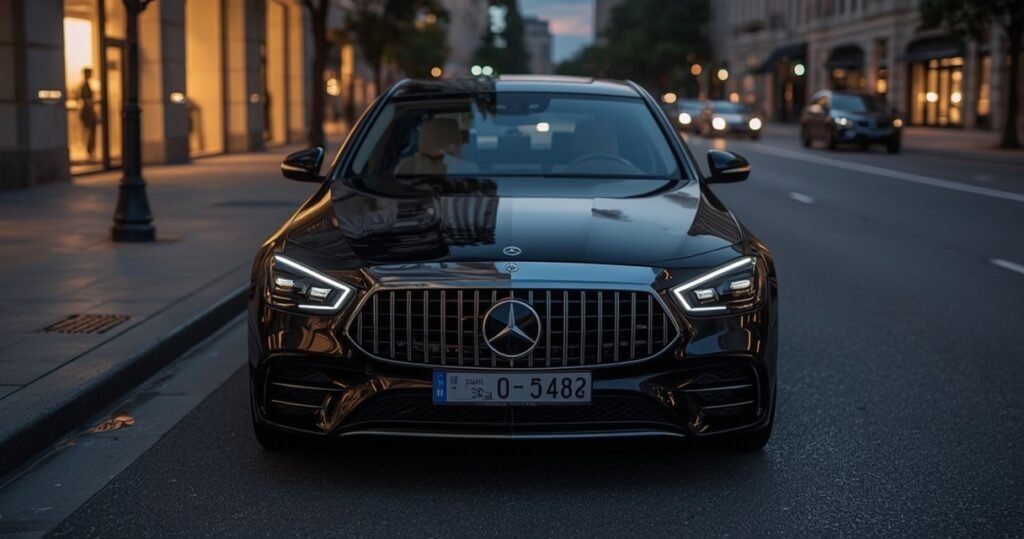
When shopping for a new or used vehicle, many consumers find themselves confronted by a familiar star-shaped logo—the hallmark of Mercedes-Benz. Known for luxury, prestige, and a long history of innovation, Mercedes-Benz has established an enduring reputation in the automotive industry. But does this reputation translate into real-world reliability, performance, and value for everyday drivers? This article examines whether Mercedes-Benz cars live up to their celebrated status, exploring their strengths and weaknesses, the opinions of experts, and factors to consider before making a purchase.
The legacy of Mercedes-Benz: a brief overview
Founded in Germany in 1926, Mercedes-Benz is part of the Daimler AG group and has played a pivotal role in shaping modern automotive engineering. Over the decades, the brand has introduced groundbreaking safety technologies, advanced engine designs, and a signature focus on comfort and luxury. The classic Mercedes “three-pointed star” signifies the company’s commitment to excellence on land, sea, and air—though its automotive pursuits have always led the way.
What makes Mercedes-Benz vehicles stand out?
Understanding whether Mercedes-Benz vehicles are good cars starts with examining what sets them apart from the competition. Their appeal extends far beyond aesthetics, touching on core aspects such as performance, build quality, and technological innovation.
Engineering excellence and build quality
Mercedes-Benz cars are synonymous with precision engineering. The company invests heavily in research and rigorous manufacturing standards, ensuring that each vehicle boasts tight tolerances and robust construction. Interior materials are often plush, featuring real wood, aluminum, and supple leather. The solidity of components, such as the sound of a closing door or the feel of a steering wheel, reflects a high level of craftsmanship rarely matched in the mainstream market.
Performance and driving experience
Mercedes-Benz offers a diverse range, from refined sedans like the E-Class to sporty coupes and family-friendly SUVs. Their vehicles are noted for smooth and responsive handling, powerful engine options (including turbocharged and hybrid variants), and advanced suspension systems that balance comfort with agility. AMG-tuned models deliver high-performance capabilities often rivaling dedicated sports cars.
Innovation and technology
Historically, Mercedes-Benz has introduced many automotive firsts, such as anti-lock brakes, safety crumple zones, and airbags. Modern models feature cutting-edge driver-assistance systems, including adaptive cruise control, autonomous emergency braking, lane-keeping aids, and intuitive infotainment platforms. The MBUX (Mercedes-Benz User Experience) system, for instance, uses artificial intelligence to adapt to driver preferences and offer seamless voice control.
Reliability: do Mercedes-Benz cars last?
Reliability is one of the most common concerns among potential luxury car buyers. While Mercedes-Benz fares well in certain areas, opinions are mixed, and it is important to approach this topic with nuance.
Findings from reliability ratings
Studies from respected sources such as J.D. Power and Consumer Reports show that Mercedes-Benz sits in the mid-to-upper range for luxury vehicle reliability—but it often lags behind top-performing brands like Lexus or Acura. Some models (notably older E-Class diesels) are celebrated for their longevity, while others, especially high-performance or first-year redesigns, may deal with more issues. Electronics and complex features can be points of vulnerability.
Factors affecting Mercedes-Benz reliability
- Regular maintenance is crucial. High-tech features and tightly engineered parts mean that skipping scheduled services can lead to expensive issues.
- Driving style and environment matter. Urban stop-and-go driving or harsh climates can accelerate wear.
- Some new technologies, especially in their early generations, may have undiscovered teething problems that manifest as recalls or reliability concerns.
Maintenance costs and ownership considerations
Compared to mass-market brands, Mercedes-Benz vehicles typically require more expensive maintenance. Premium synthetic oils, specialized diagnostic tools, and complex parts factor into higher ownership costs. However, many owners find that regular, proactive care keeps their cars running well for well over 100,000 miles. Certified pre-owned (CPO) programs and extended warranties are popular choices for those seeking additional peace of mind.
Are Mercedes-Benz cars safe?
Mercedes-Benz consistently scores high marks in safety testing. The brand is renowned for pioneering new safety standards and actively implementing them across its vehicle line-up.
Advanced safety features
- Collision prevention systems and automatic emergency braking to mitigate or avoid accidents.
- Attention assist to monitor driver alertness and provide warnings of drowsiness.
- PRE-SAFE technology, which detects potential collisions and prepares the car by tightening belts and adjusting seats.
- Multiple airbags, reinforced frames, and robust crash structures for occupant protection.
Crash test results
Most modern Mercedes-Benz models achieve top scores in crash tests performed by organizations like the National Highway Traffic Safety Administration (NHTSA) and the Insurance Institute for Highway Safety (IIHS). These results provide added assurance to families and safety-conscious buyers.
Cost of ownership: what to expect
Luxury ownership is a significant investment. The sticker price is just the start, and buyers should budget for maintenance, insurance, fuel, and depreciation.
Initial purchase and depreciation
Mercedes-Benz cars command a premium price, even for entry-level models. Over the first five years, these vehicles tend to depreciate faster than some rivals, partly due to high initial prices and significant new technology updates that make older models seem less desirable. However, certain models (such as iconic coupes or the G-Class SUV) retain value well, especially if kept in excellent condition.
Fuel economy
The brand has made advancements in hybrid technology and diesel efficiency, but most Mercedes-Benz vehicles prioritize performance and comfort over maximum fuel efficiency. Expect moderate to good fuel ratings for sedans and premium SUVs, with high-performance AMG models consuming more fuel.
Insurance and taxes
Luxury branding and advanced technology can increase insurance premiums. Some regions also tax vehicles based on value, weight, or emissions, which can impact long-term costs.
Who should choose a Mercedes-Benz?
Deciding whether a Mercedes-Benz is a good car depends on individual preferences, needs, and budget. These vehicles are designed for drivers who value luxury, comfort, advanced engineering, and a certain amount of prestige. They excel as executive sedans, family haulers, and performance machines, but may not be ideal for those seeking minimal maintenance or lowest total cost of ownership.
Suited for…
- Drivers who appreciate attention to detail, upscale interiors, and advanced technology.
- Those seeking a blend of comfort, safety, and performance for daily commuting or long trips.
- Car enthusiasts interested in high-performance models (e.g., AMG variants) or classic designs.
Potential drawbacks
- Higher purchase price and ongoing maintenance expenses.
- Complex systems may require specialized repairs, adding time and cost for servicing.
- Some entry-level models may lack the unique character of higher-end Mercedes vehicles.
Common myths about Mercedes-Benz
Given their iconic status, Mercedes-Benz models are subject to certain myths that can influence perceptions. It is important to separate fact from fiction.
Myth 1: All Mercedes-Benz cars are expensive to maintain
While maintenance on a Mercedes-Benz is generally more costly than on a non-luxury vehicle, prices vary by model and age. Proper service intervals and choosing a reputable mechanic can help manage costs. Some models, such as older diesel sedans, are renowned for longevity and relatively low running expenses.
Myth 2: Mercedes-Benz cars are only for wealthy people
It is true that new models are priced at a premium, but the used Mercedes-Benz market offers affordable options. Entry-level vehicles and certified pre-owned programs bring ownership within the reach of a broader audience. However, buyers should still be prepared for above-average maintenance and repair costs.
Myth 3: They are less reliable than other cars
The gap in reliability between Mercedes-Benz and top-performing Japanese brands has narrowed over the years. Advances in engineering and more robust quality control have mitigated some of the major historical concerns. However, as with any complex vehicle, diligent maintenance is essential for optimal longevity.
Expert tips for Mercedes-Benz buyers
Research specific models and generations
Some Mercedes-Benz models (and even specific production years) have fared better than others in terms of reliability, resale value, and overall satisfaction. Before making a purchase, consult independent reviews from sources like Consumer Reports, reliability rankings from J.D. Power, and owner forums for real-world experiences.
Consider certified pre-owned options
Purchasing a certified pre-owned Mercedes-Benz offers certain advantages, such as extended warranties, rigorous inspections, and lower upfront costs compared to new models. This can reduce some long-term financial risks while still providing the luxury experience.
Account for the total cost of ownership
Include fuel, insurance, maintenance, potential repairs, and depreciation when calculating affordability. For buyers planning to keep their car for many years, a well-maintained Mercedes-Benz can deliver excellent value and continuing enjoyment. Leasing may be attractive for those wanting the latest technology without long-term maintenance concerns.
Find a trusted service provider
Mercedes-Benz vehicles benefit from being serviced by technicians familiar with the brand’s unique systems and requirements. Establish a relationship with an authorized dealer or a specialized independent shop to ensure proper maintenance and upkeep.
The verdict: are Mercedes-Benz good cars?
“Are Mercedes-Benz good cars?” is a nuanced question with no one-size-fits-all answer. For drivers seeking advanced technology, a comfortable and refined ride, and the status of a legendary nameplate, Mercedes-Benz delivers on multiple fronts. Their vehicles are often ahead of the curve in safety and innovation, with many models offering strong performance and long-term satisfaction with the right care.
However, these advantages come with higher maintenance costs, occasional complexity, and depreciation typical of premium automakers. While some models have demonstrated exceptional durability, others may face reliability or cost-of-ownership challenges, particularly if proper maintenance is neglected. As with any substantial investment, buyers should carefully research their chosen model, assess their budget, and weigh the benefits against long-term expenses.
Ultimately, Mercedes-Benz cars are good for those who value luxury, tech, and driving enjoyment, and are willing to invest in proper care. With informed expectations and proactive maintenance, owning a Mercedes-Benz can be a rewarding experience that lives up to the legend of the three-pointed star.

An experienced automotive writer and industry analyst with a strong passion for cars, engineering, and road performance. Specializes in delivering clear, insightful reviews, detailed comparisons, and practical advice for everyday drivers, gearheads, and those looking to make informed vehicle choices.