
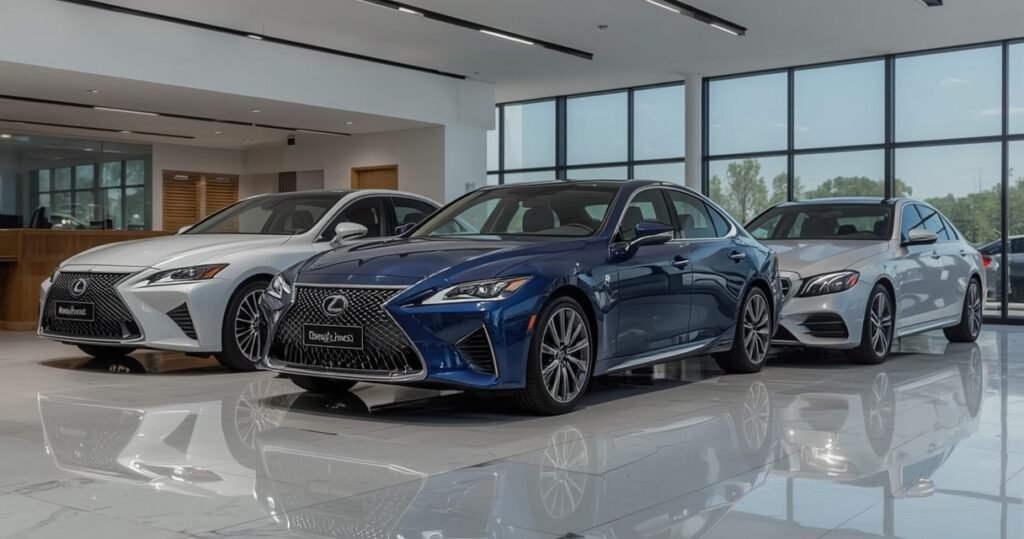
Luxury cars are often seen as the pinnacle of automotive engineering, blending cutting-edge technology, high performance, and refined comfort. But many potential buyers find themselves asking a crucial question before making a significant financial investment: are luxury cars reliable? Reliability is a key factor, especially as luxury vehicles typically come with higher price tags, both at the point of purchase and for ongoing maintenance. This article delves into what reliability means in the context of luxury cars, examines the latest data and expert opinions, considers why reliability can vary, and offers practical advice for anyone considering a luxury car purchase.
Understanding reliability in luxury cars
To address whether luxury cars are reliable, it’s important to define automotive reliability. In general, a reliable vehicle is one that starts consistently, performs as expected, requires minimal unscheduled repairs, and can be counted on in the long term. Reliability is often measured using metrics such as breakdown frequency, severity of issues, and overall lifespan without major faults.
In the luxury segment, reliability can mean more than just a car’s ability to function. Buyers expect premium vehicles to deliver consistent excellence through advanced features, superior materials, and sophisticated engineering—all while maintaining minimal unplanned downtime. However, high expectations can sometimes clash with the realities of complex machinery and cutting-edge technology.
How is reliability measured?
Industry organizations and research firms measure luxury car reliability through large-scale owner surveys, warranty data, and repair statistics. Some of the most reputable sources include:
- J.D. Power Vehicle Dependability Study
- Consumer Reports Annual Auto Reliability Survey
- RepairPal reliability ratings
- Manufacturer warranty claim data
These sources analyze factors such as the number of problems per 100 cars, the types of issues experienced, and the cost of out-of-warranty repairs. The findings help consumers determine which luxury brands and models are more likely to deliver a hassle-free ownership experience.
The reliability picture: facts and trends
There is a common perception that luxury cars are less reliable than mainstream vehicles, but the reality is more nuanced. Reliability can vary dramatically among luxury brands and specific models, as well as across different years.
Historic challenges with luxury reliability
Past reliability studies frequently showed luxury brands ranking lower than many mainstream brands. Factors that have contributed to this include:
- Introduction of new, untested technologies prone to teething issues
- Complex electronics and infotainment systems that increase the likelihood of failures
- Performance-oriented components that demand high maintenance
- Higher expectations (owners are more likely to report minor annoyances as “problems”)
For example, data from several years ago indicated that brands like BMW, Mercedes-Benz, and Audi often lagged behind Japanese brands such as Lexus, Infiniti, and Acura in terms of reliability.
Recent improvements and top performers
The luxury car reliability landscape has shifted in recent years. Brands such as Lexus and Genesis are consistently at the top of the charts in J.D. Power and Consumer Reports studies. In contrast, some European luxury brands have improved but may still be more prone to electronic and technical issues.
Lexus, a division of Toyota, is frequently praised for its blend of luxury features and the legendary reliability of its parent company. Genesis, Hyundai’s luxury division, has garnered respect for robust warranties and solid dependability scores since its debut. By contrast, German brands like Audi and Mercedes-Benz have improved their electronics and drivetrain reliability, but some challenging years still affect their averages.
Why luxury brands sometimes underperform
Several factors explain why some luxury cars struggle with reliability ratings:
- Cutting-edge features: Luxury brands are typically first to deploy new tech—such as advanced driver assistance systems, intricate infotainment screens, and innovative suspensions—which, while impressive, are more prone to malfunctions before the technology matures.
- Complexity: Higher-end models use more sophisticated components and integrations, raising the potential for things to go wrong.
- Maintenance sensitivity: Precision-engineered parts often require stricter maintenance schedules; missing these can exacerbate problems.
- Driver expectations: Luxury car owners are more likely to notice and report minor faults that might be overlooked in mainstream vehicles, increasing “problem” rates in surveys.
Brand-by-brand analysis
Lexus: the benchmark for luxury reliability
Lexus consistently tops most reliability charts, reflecting Toyota’s emphasis on quality, rigorous testing, and conservative technological rollouts. While Lexus models feature advanced comfort and convenience tech, the brand usually avoids being the very first to introduce new, risky technologies, thus better safeguarding reliability statistics. Owners and auto experts alike report infrequent breakdowns, reasonable long-term costs, and exceptional customer satisfaction.
Genesis: a rising star
Genesis has made headlines with its dependability, thanks in part to generous warranties (often the best in the luxury segment) and parent company Hyundai’s focus on build quality. Genesis vehicles regularly receive strong reliability reports. While some critics note that long-term data is still emerging given the brand’s youth, early indicators are promising.
European luxury brands: the complexity conundrum
BMW, Audi, and Mercedes-Benz deliver world-class driving experiences and technological sophistication. However, they have a reputation for costly out-of-warranty repairs, especially with older models. Common concerns include:
- Electrical system faults
- Complex turbocharged engines
- Advanced suspension failures
- Transmission-related issues
That said, newer models have seen improvements, and vehicles with full service and maintenance histories can be reliable for many years. Owners prepared to follow manufacturer care guidelines diligently tend to report fewer problems.
Other notable luxury brands
Acura, Volvo, and Lincoln occupy a middle ground. Acura, Honda’s luxury arm, is praised for reliability, though perhaps at the cost of avant-garde technology compared to German rivals. Volvo has improved over the past decade, though its increasing platform and electronics complexity warrant careful model-by-model consideration. Lincoln’s recent offerings have seen a boost in reliability, but part-sharing with Ford’s mainstream vehicles means some models excel more than others.
What affects long-term reliability?
It’s not just brand identity that determines whether a luxury car is reliable. Several other factors play a critical role in long-term durability and everyday dependability.
Technology integration and growing pains
Luxury vehicles almost always debut new tech before mainstream cars, from advanced driver assistance to elaborate multi-screen cockpits. Early models with new tech can experience more software bugs, glitches, or hardware failures. Typically, these issues are ironed out within a few model years, so buyers seeking reliability may benefit from choosing slightly later production years or models with mature technologies.
Maintenance and upkeep
All vehicles, but especially luxury cars, require attentive preventive maintenance. High-performance engines and complex systems are less forgiving if neglected. Owners who stick to manufacturer-recommended service schedules and use qualified technicians experience fewer problems. In contrast, cutting corners on routine care can quickly lead to expensive breakdowns.
Driving style and environment
Performance-oriented luxury vehicles beg to be driven hard, but frequent aggressive driving does put extra stress on engines, transmissions, and suspensions, escalating wear and potential for failure. Owners in harsh climates may also see faster degradation of sensitive systems. Gentle use and climate-controlled storage can prolong reliability significantly.
Cost of ownership: an overlooked aspect
Reliability isn’t just about how often a car breaks down—it’s also about how much you have to pay when something does go wrong or when routine care is needed. In the luxury market, even reliable vehicles can have higher maintenance and repair costs due to the sophisticated hardware and exclusive replacement components.
Common cost factors
When assessing the overall ownership picture, consider:
- More expensive parts (e.g., LED headlights, adaptive suspensions)
- Higher hourly labor charges at branded dealerships
- Premium-grade oils, filters, and specialty fluids
- Shorter service intervals for performance or high-stress parts
- Potential for costly out-of-warranty electronic repairs
Many luxury automakers offer prepaid maintenance plans or complimentary coverage for the first few years, but costs can quickly escalate once the warranty expires.
Common myths about luxury car reliability
Myth 1: All luxury cars are unreliable
This is a persistent misconception. Some brands and models are less reliable, but others, such as Lexus and Genesis, outperform even mainstream vehicles for durability and trouble-free ownership.
Myth 2: High purchase price guarantees reliability
The advanced engineering and costly materials in luxury cars don’t inherently translate to fewer problems. Sometimes, greater complexity means there’s more that can go awry, especially with new or experimental technology.
Myth 3: Expensive repairs mean the car is unreliable
Luxury vehicles generally require pricier repairs due to part exclusivity and labor rates, but this doesn’t always reflect poor reliability. A luxury car that goes for years with only regular maintenance may cost less over time than a cheaper vehicle with frequent faults, even if any single repair is more expensive.
Expert recommendations for potential buyers
Anyone considering a luxury car should weigh not only reliability data but also their expectations and intended use. Here are some tips from industry experts and automotive reliability professionals:
- Research specific models and years: Use reputable buyer’s guides, third-party owner forums, and annual dependability surveys. Even among highly rated brands, some models or production years fare better than others.
- Understand total ownership costs: Ask dealers for price quotes on scheduled maintenance and common repairs. Compare warranty options, both from the manufacturer and third-party providers.
- Prioritize mature technology: If reliability is critical, opt for models with a proven record rather than those just introduced with new technologies.
- Consider certified pre-owned programs: These often include extended warranties and multi-point inspections, reducing the risk of unexpected costs.
- Maintain diligently: Follow the manufacturer’s maintenance schedule exactly, and use high-quality parts and fluids. Save all service records, as this can help with both dependability and resale value.
- Choose your dealership or mechanic wisely: Specialized vehicles deserve specialized care. Find certified shops with expertise in your chosen brand.
When is a luxury car the right choice?
The answer to “are luxury cars reliable?” ultimately depends on your definition of reliability and your tolerance for risk, cost, and complexity. For drivers who prize innovation, performance, and advanced features, luxury cars can absolutely deliver a rewarding experience—especially if selected carefully and maintained properly. Those seeking hassle-free, low-cost ownership with minimal intervention may find some luxury brands and models a better fit than others, or even opt for high-end trims of mainstream brands where reliability is paramount.
The bottom line
While luxury cars are often associated with exceptional performance, comfort, and status, their reliability varies widely by brand, model, year, and how they’re maintained. Brands such as Lexus and Genesis have proven that luxury and dependability can go hand-in-hand, while some European marques require extra care and investment but reward with unmatched driving experiences. Savvy buyers should rely on objective data, consider the big picture of ownership, and be realistic about the costs and benefits involved. With thorough research and diligent maintenance, owning a reliable luxury car is very much attainable—and can make every journey not just comfortable and stylish, but worry-free as well.

An experienced automotive writer and industry analyst with a strong passion for cars, engineering, and road performance. Specializes in delivering clear, insightful reviews, detailed comparisons, and practical advice for everyday drivers, gearheads, and those looking to make informed vehicle choices.