
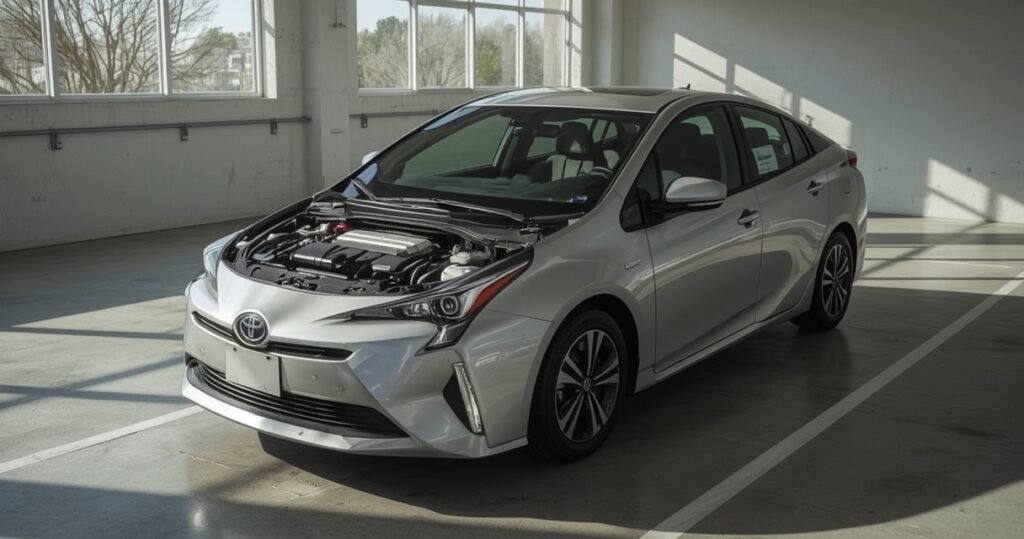
Hybrid engines have significantly shaped the evolution of modern transportation, offering drivers a blend of gasoline and electric power that promises increased fuel efficiency and lower emissions. Still, for many consumers considering their next car purchase, a crucial question remains: are hybrid engines reliable? With growing interest in eco-friendly automotive solutions, understanding the dependability of hybrid engines is essential for making informed decisions. This article examines how hybrid engines work, the factors influencing their reliability, the most common concerns, and what automotive experts and long-term studies reveal about their real-world dependability.
How hybrid engines work
A hybrid engine combines an internal combustion engine—usually gasoline-powered—with one or more electric motors and a battery pack. The system intelligently switches between gasoline and electric power or uses both simultaneously, depending on driving conditions. There are several types of hybrid powertrains:
- Full hybrids: Capable of running on the electric motor alone, the gasoline engine alone, or a combination of both (e.g., Toyota Prius, Ford Escape Hybrid).
- Mild hybrids: Primarily powered by the gasoline engine, with the electric motor providing supplementary power (e.g., some Honda Insight models).
- Plug-in hybrids (PHEV): Feature larger batteries that can be charged from an external power source, allowing for extended electric-only driving (e.g., Toyota Prius Prime, Chevrolet Volt).
This complexity makes some consumers wary. After all, more components could potentially mean more things that might fail. But is this a fair assessment based on real-world data?
Hybrids vs. conventional engines: what does the data say?
To accurately address the question “are hybrid engines reliable,” it helps to examine large-scale reliability studies and real-world ownership experiences. The following findings provide important insights:
- Consumer Reports and J.D. Power reliability rankings frequently place hybrid vehicles at or near the top. The Toyota Prius, for example, has maintained remarkable reliability scores for over two decades.
- Government and academic research often indicates that well-maintained hybrid drivetrains are as reliable as, or even more reliable than, their conventional counterparts.
- Reduced mechanical wear. Hybrid vehicles often use regenerative braking, which helps decrease brake pad wear, and the electric motor can reduce stress on the gasoline engine, especially in stop-and-go traffic.
Common concerns about hybrid reliability
Despite strong reliability records, hybrid engines attract certain concerns from prospective buyers. Below are the most prominent ones, together with an analysis of their validity:
Battery life and replacement costs
Hybrid batteries—usually nickel-metal hydride (NiMH) or lithium-ion—are expensive components. Many drivers worry that battery failure could result in a costly repair bill. However, evidence suggests:
- Most hybrid batteries last at least 8-10 years or well beyond 100,000 miles, with some lasting up to 200,000 miles or more.
- Automakers generally offer warranties on hybrid components that extend far beyond typical vehicle warranties (sometimes 8 years/100,000 miles or more).
- The cost of replacement batteries has declined due to technology advancements and high-volume production.
Complexity and repair costs
A common myth is that hybrid engines break down more often or are much pricier to repair due to their complexity. Reliable studies indicate:
- Routine maintenance for hybrids (e.g., oil changes, brakes) can actually be less frequent due to reduced engine and brake use.
- When repairs specific to hybrid systems are necessary (such as inverter or battery issues), specialized knowledge is required, but the frequency of such repairs is low.
- Because hybrids often use proven, durable designs, major defects are rare when routine maintenance is followed.
Resale value and long-term durability
The potential depreciation of hybrids due to aging batteries once posed a concern. More recent evidence shows:
- Many hybrids, especially well-maintained models from reliable manufacturers, retain value strongly over time.
- Used hybrid models with comprehensive maintenance records are highly sought after on the secondary market.
Expert recommendations for hybrid vehicle longevity
Experts widely agree that hybrid engine reliability depends heavily on both the vehicle’s design quality and how it is cared for. Leading automotive institutions and certified mechanics suggest the following practices to maximize reliability:
- Follow the manufacturer’s maintenance schedule: This ensures timely replacement of fluids, filters, and wear parts. Hybrid-specific checks (like inverter coolant levels) are best handled by trained professionals.
- Avoid fully draining or overcharging the battery: While most hybrids have built-in safeguards, regular operation within the battery’s recommended range preserves longevity.
- Monitor warning lights: Hybrid systems are equipped with advanced sensors that detect irregularities early. Addressing alerts promptly can prevent more severe damage.
- Choose reputable brands: Manufacturers with a long history in hybrid technology (such as Toyota, Honda, and Ford) have robust track records for durability.
Are certain hybrid models more reliable?
Not all hybrids are created equal. Here is a look at some of the models consistently rated highly for reliability based on decades of data:
- Toyota Prius: Often considered the benchmark for hybrid dependability, the Prius has earned numerous awards for low-maintenance and long-term durability.
- Honda Accord Hybrid: Noted for its smooth powertrain and low incidence of major issues, the Accord Hybrid enjoys high owner satisfaction.
- Ford Escape Hybrid: Praised for both utility and powertrain robustness, especially in fleet and taxi use, where vehicles can log hundreds of thousands of miles.
It’s important to note that while newer or less-common hybrid models may be just as reliable, they may have less long-term data available.
Busting common myths about hybrid reliability
- Myth: Hybrids are less reliable because they are more complex.
Reality: Research from multiple organizations, including automotive engineering associations, reveals that hybrids can be on par with—or superior to—traditional vehicles thanks to reduced mechanical wear and proven technology. - Myth: All hybrid batteries fail early.
Reality: Most batteries last well into six figures of mileage, and many owners never require a replacement. - Myth: Hybrid repairs require rare parts and are extremely expensive.
Reality: While some components are specialized, the increased prevalence of hybrids means that qualified mechanics and affordable parts are widely available, especially for popular models.
When might a hybrid not be the right choice?
Despite their many reliability advantages, hybrids may not suit everyone. Consider these scenarios where a conventional or electric vehicle could be preferable:
- Very high-mileage drivers in remote areas: The scarcity of hybrid-trained technicians in some regions may delay or complicate repairs.
- Drivers with very short, infrequent usage: Hybrids perform best when driven regularly, as extended inactivity can impact battery health.
- Specialized heavy towing or performance needs: While hybrid technology advances quickly, some models are not optimized for heavy-duty work or high-performance driving.
Tips for hybrid owners: maximizing reliability
- Schedule regular check-ups with a certified mechanic who understands hybrid systems.
- Keep detailed maintenance records to support manufacturer warranty claims and enhance resale value.
- Stay updated on any manufacturer recalls or software updates, as hybrid systems sometimes benefit from improvements after purchase.
- Drive smoothly—frequent hard acceleration or braking can put additional strain on both engine and battery.
Conclusion: are hybrid engines reliable?
The consensus among industry experts, independent testing organizations, and long-term drivers is clear: modern hybrid engines are highly reliable, often equal to or surpassing their gasoline-only counterparts. Most concerns about battery longevity, maintenance costs, and repair frequency are either outdated or overstated, particularly when considering the real-world data on well-established models from reputable brands.
As with any vehicle, reliability depends on careful maintenance, responsible driving, and selecting models with proven track records. With their combination of fuel savings, emissions reductions, and impressive dependability, hybrid vehicles make a sensible and reliable choice for most drivers considering their next purchase.

An experienced automotive writer and industry analyst with a strong passion for cars, engineering, and road performance. Specializes in delivering clear, insightful reviews, detailed comparisons, and practical advice for everyday drivers, gearheads, and those looking to make informed vehicle choices.