
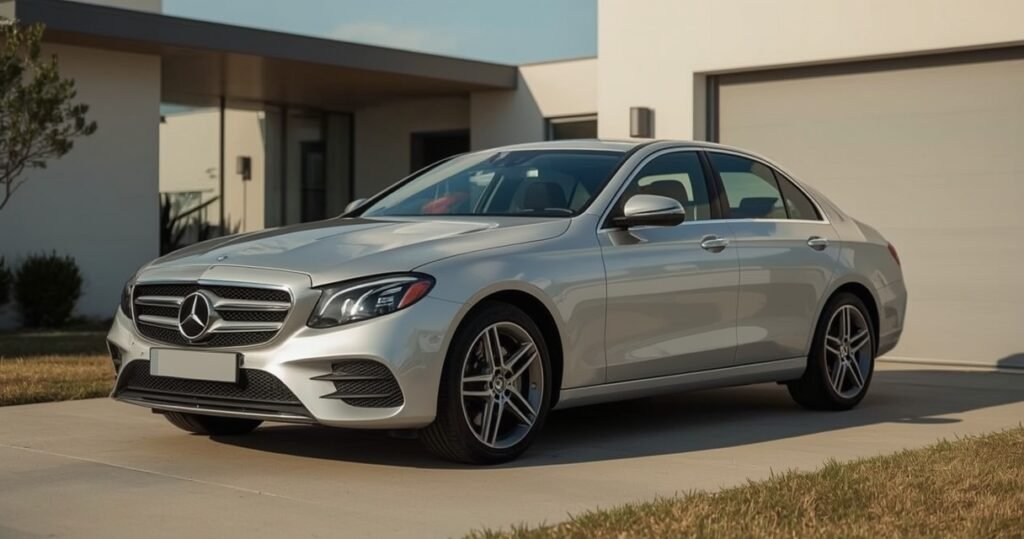
The question of whether new Mercedes vehicles are reliable remains a key consideration for car buyers seeking luxury, performance, and peace of mind. Mercedes-Benz, a German automaker renowned for its engineering and innovation, has long been associated with quality. However, as automotive technologies evolve and consumer expectations rise, it’s essential to assess how modern Mercedes cars measure up in terms of reliability, maintenance, and long-term ownership costs. This article examines the latest research, expert insights, and real-world data to answer: are new Mercedes reliable?
Understanding automotive reliability
Reliability in the automotive context refers to how consistently a vehicle performs as intended, especially over time and across varying conditions. Reliable cars experience fewer unexpected breakdowns, require less unscheduled maintenance, and deliver consistent performance. Factors such as build quality, component durability, frequency of repairs, and manufacturer support all play roles in determining a vehicle’s overall reliability.
Key aspects of reliability
- Mechanical durability: How well the engine, transmission, and key components withstand wear and tear.
- Technology performance: The dependability of infotainment systems, sensors, and advanced driver aids.
- Service frequency: How often a vehicle needs repairs outside routine maintenance.
- Long-term ownership: How well the vehicle ages after several years and miles.
Mercedes-Benz: a brief overview
Mercedes-Benz, founded in 1926, stands as one of the world’s oldest and most prestigious automotive brands. Known for launching innovations like the crumple zone and anti-lock brakes, Mercedes models have traditionally been positioned as luxury vehicles combining performance, comfort, and cutting-edge technology. Contemporary models, such as the C-Class, E-Class, and GLE, offer advanced features and bold styling aimed at setting new benchmarks in their segments.
Are new Mercedes reliable? What the data shows
To understand the reliability of new Mercedes vehicles, it’s crucial to consult independent sources, large-scale reliability surveys, and long-term owner experiences. Notable resources include:
- Consumer Reports
- J.D. Power Vehicle Dependability Study
- What Car? Reliability Survey
- Automotive warranty provider data
Key findings from reliability studies
Recent studies paint a nuanced picture:
- Consumer Reports: In recent years, Mercedes-Benz vehicles have ranked mid-pack among luxury automakers for overall reliability. Some models, such as the GLE SUV and the E-Class, receive average to above-average reliability ratings, while others, including the entry-level A-Class and CLA, sometimes fall below the segment average.
- J.D. Power Dependability Index: The 2023 survey placed Mercedes-Benz slightly below the luxury segment average, citing occasional issues with technology integration and electronics.
- What Car? (UK): The 2023 reliability survey highlighted some Mercedes models, like the GLC and S-Class, as better-than-average in reliability, but noted ongoing concerns with infotainment problems and minor electronic faults across several product lines.
- Warranty-provider data: Insurers and warranty companies report that the average cost of repairs for new Mercedes vehicles tends to be higher, but the frequency of major failures is not significantly greater than for other German luxury brands.
Common issues reported in new Mercedes models
While new Mercedes cars benefit from improvements in engineering and assembly, several recurring issues are observed across various models:
- Infotainment glitches: Modern Mercedes vehicles feature advanced infotainment systems like MBUX. Users occasionally report software bugs, unresponsive screens, or Bluetooth connectivity issues.
- Electronic sensor problems: As with many luxury vehicles, complex sensor arrays (used in safety and convenience features) may fail prematurely, requiring recalibration or replacement.
- Air suspension faults: Some models equipped with AIRMATIC air suspension systems have experienced early component failures, though these are more commonly reported in older or high-mileage vehicles.
- Engine electronics: Minor but annoying problems, such as faulty warning lights or minor electrical gremlins, can crop up in some engines, especially in vehicles with hybrid or plug-in hybrid setups.
Factors influencing modern Mercedes reliability
Several trends and manufacturer decisions affect the reliability of new Mercedes vehicles:
Technology complexity
Modern Mercedes cars are equipped with an array of electronic features, from advanced driver-assistance systems to complex infotainment and comfort functions. While these features add significant value, their increased complexity raises the risk of software bugs and minor malfunctions. Experts note that luxury automakers, including Mercedes, face a higher likelihood of technology-related issues simply due to their vehicles’ advanced nature.
Build quality improvements
Recent generations of Mercedes vehicles demonstrate improvements in materials, assembly quality, and component durability. Quality control processes at the company’s manufacturing facilities have enhanced since the early 2000s, a period where some Mercedes models suffered from well-documented reliability issues. According to independent inspections, fit and finish in new models generally meet or exceed industry standards.
Engine downsizing and electrification
The move toward smaller turbocharged engines, hybrid systems, and fully electric vehicles brings new engineering challenges. Although these powertrains benefit efficiency and emissions, they introduce a higher degree of system complexity. Some turbocharged four-cylinder engines have experienced minor issues in early production runs, but ongoing updates and increased familiarity among service technicians are gradually addressing these teething problems.
How does Mercedes compare to other brands?
When asking “are new Mercedes reliable,” it helps to benchmark them against key competitors:
- BMW: Similar to Mercedes-Benz, BMW’s modern vehicles are packed with technology and generally achieve average to above-average reliability, with some models performing better than Mercedes and others facing similar issues.
- Audi: Audi also shares many reliability trends with Mercedes, particularly when it comes to electronic system challenges, though Audi’s reputation has improved in recent years due to fewer major mechanical issues.
- Lexus: Lexus consistently tops reliability charts, thanks to simpler electronics and a focus on proven engineering. However, this sometimes comes at the expense of cutting-edge features found in German rivals.
Overall, Mercedes is considered competitive within the European luxury segment, but it does not match the rock-solid reliability of certain Japanese luxury brands.
Expert recommendations for Mercedes owners
To maximize the reliability and longevity of a new Mercedes vehicle, experts recommend the following:
- Adhere to servicing schedules: Follow the manufacturer’s maintenance plan precisely, using authorized service centers with technicians trained on Mercedes-specific systems.
- Keep software updated: Regularly check for software updates for infotainment and driver aid systems. Many updates are available via authorized dealers and can resolve known bugs.
- Be proactive with minor faults: Address warning lights or unusual symptoms early, as small issues can sometimes escalate if neglected.
- Consider an extended warranty: Due to the higher cost of parts and labor on German luxury vehicles, an extended warranty can provide peace of mind.
- Document all maintenance: Keep thorough records of all servicing and repairs to support warranty claims and preserve resale value.
New Mercedes reliability myths and facts
Reliability is often colored by perception and anecdotal stories. Let’s clarify some common myths and facts:
- Myth: All German luxury cars are unreliable. While some older models faced criticism, modern manufacturing and quality control have improved significantly. Mercedes vehicles often perform at or above the segment average.
- Fact: Technology-related issues are more common. Advanced features increase the likelihood of software and electronic problems—common to all high-tech automakers, not just Mercedes.
- Myth: Mercedes parts are impossible to find. Genuine and aftermarket parts for Mercedes vehicles are increasingly accessible, though labor and part costs remain higher than for most mainstream brands.
- Fact: Maintenance costs are part of luxury ownership. Higher maintenance and repair costs are expected for luxury vehicles due to the quality of materials and precision engineering.
The role of maintenance and use habits
Even the most reliable car will face problems if it is not properly maintained. High-performance engines, sophisticated suspensions, and sensitive electronics require attentive care. Mercedes recommends regular inspections, timely oil changes using specified grades, and routine replacement of consumables such as brake pads and filters.
Driving habits also matter. Short, frequent trips may stress engines more than sustained highway driving. Aggressive driving or overloaded towing can increase wear and tear, especially on components like transmissions and brakes. Adhering to recommended service intervals and avoiding abusive driving practices are key for maximizing vehicle longevity.
Warranty and customer support
Mercedes-Benz backs new vehicles with a comprehensive manufacturer’s warranty, typically covering 4 years or 50,000 miles (whichever comes first) in many markets. This provides coverage for powertrain and many electronic faults, giving owners a safety net against premature failures. The brand supplements this with roadside assistance and access to a global network of authorized repair centers. Extended warranty and prepaid maintenance packages are also available, offering additional security for owners planning to keep their vehicles longer.
User experiences and owner satisfaction
Ultimately, real-world experiences from owners are invaluable for judging reliability. Owner forums, satisfaction surveys, and review platforms indicate that while some individual Mercedes owners report frustrating experiences—typically concerning minor electronic glitches or customer service—most are satisfied with their vehicles overall. Positive comments routinely praise driving dynamics, comfort, safety, and brand prestige, even when addressing the occasional repair bill. According to recent owner satisfaction surveys, many new Mercedes owners would recommend the brand but acknowledge that reliability can be variable from model to model.
Tips for prospective Mercedes buyers
If you are considering purchasing a new Mercedes, keep the following strategies in mind to maximize your satisfaction and minimize potential inconveniences:
- Research model-specific reviews: Reliability can vary between models and even between specific engine and trim options.
- Opt for fewer optional extras if reliability is a priority: Simpler specifications may reduce the likelihood of technology-related issues.
- Test all features before purchase: Ensure that infotainment, comfort, and assistance systems function flawlessly to catch any early problems.
- Explore certified pre-owned (CPO) options: If value is a concern, certified pre-owned Mercedes vehicles offer extended warranties and have undergone detailed inspections.
Future outlook: The reliability of upcoming Mercedes vehicles
As Mercedes-Benz pivots toward electric mobility, the reliability conversation is evolving. Electric vehicles (EVs) such as the EQS and EQE offer simpler powertrain architectures with fewer moving parts compared to traditional combustion engines, which may improve mechanical durability but increase reliance on electronic systems. Early feedback on Mercedes EVs is positive regarding battery and motor reliability, but the long-term performance of advanced software platforms is still being evaluated.
Mercedes is investing heavily in quality control, real-time diagnostics, and over-the-air update capabilities. These investments signal a commitment to addressing known weaknesses and boosting long-term dependability. As new models and technologies reach the market, ongoing assessments from independent agencies and owners will determine if Mercedes can claim the top spot in the reliability hierarchy.
Conclusion: Are new Mercedes reliable?
The answer to “are new Mercedes reliable?” is best described as nuanced. While they offer average to above-average reliability among German luxury brands, they are generally not as bulletproof as Lexus or some mainstream automakers. However, Mercedes remains competitive in its segment, with significant progress made in build quality and engineering over recent generations. Prospective buyers should be aware of potential technology-related hiccups and plan for above-average maintenance costs—but with proper care and a cautious approach to option selection, new Mercedes vehicles can provide a reliable and rewarding ownership experience.
In the world of automotive luxury, reliability is only one aspect among many, but it remains an essential factor for savvy buyers wanting both prestige and peace of mind.