
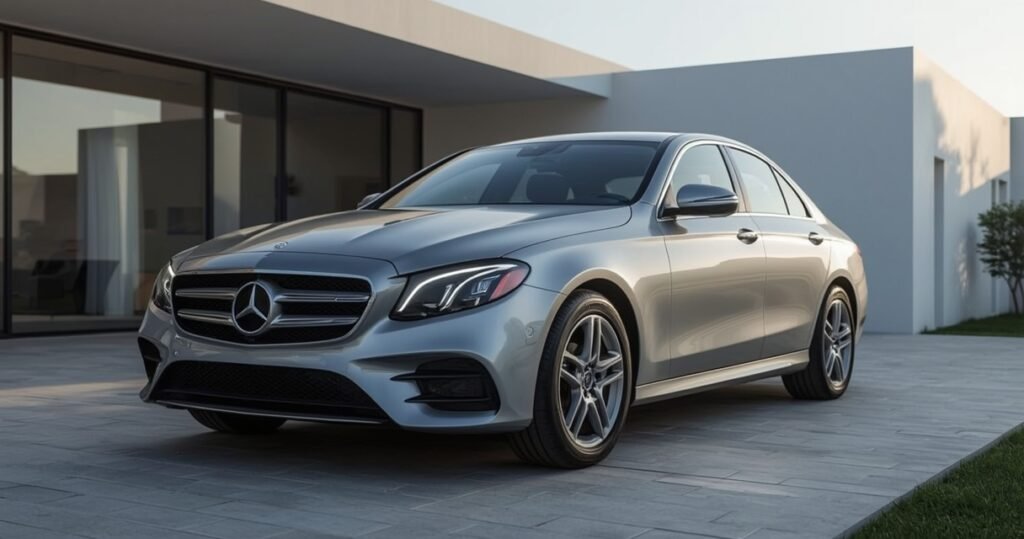
Mercedes-Benz is a name synonymous with luxury, engineering excellence, and automotive prestige. For over a century, these vehicles have been seen as symbols of status and innovation. However, with increasing access to consumer reports, online forums, and anecdotal feedback, a question occasionally arises: are Mercedes bad cars? This article explores the reliability, performance, costs, myths, and realities surrounding Mercedes-Benz vehicles. If you are considering investing in one or are simply curious about their reputation, this comprehensive analysis will provide clarity based on reputable data and expert opinion.
The reputation of Mercedes-Benz
Mercedes-Benz, founded in 1926, has consistently positioned itself as a leader in automotive technology and luxury. Its vehicles are frequently chosen by executives, governments, and car enthusiasts alike. However, public perception of Mercedes vehicles varies widely. While many admire their design and performance, others question their long-term reliability and ownership experience. Understanding the roots of this mixed reputation requires a closer look at both the positives and the concerns raised by drivers and industry experts.
Reliability: how do Mercedes-Benz cars perform?
Automotive reliability is a key concern for buyers. Organizations such as J.D. Power, Consumer Reports, and What Car? regularly compile reliability statistics based on owner surveys, mechanical fault records, and maintenance data. When addressing the question, “Are Mercedes bad cars?” reliability is often one of the most debated factors.
Strengths in engineering and safety
Mercedes-Benz cars are well-regarded for their advanced engineering and robust safety features. Many models consistently receive high ratings in crash tests and offer cutting-edge driver assistance systems. Features like Pre-Safe, adaptive cruise control, and active brake assist are often standard, reflecting the brand’s commitment to safety and innovation.
Common reliability concerns
Despite their technological prowess, some Mercedes-Benz models have received mixed reliability ratings, especially as vehicles age or accrue high mileage. According to surveys, the most common issues relate to:
- Electronic and sensor malfunctions
- Air suspension failures (notably in E, S, and GL/GLS models)
- Oil leaks and cooling system issues
- Costly replacement of proprietary components
It is worth noting that many of these problems are more prevalent in older or high-tech models and typically arise well after the factory warranty has expired. Newer Mercedes models, especially those built after 2015, have generally improved in reliability scores, thanks to enhanced quality control and refined engineering.
Benchmark comparisons with other brands
Mercedes-Benz typically positions near the middle of luxury car reliability rankings—below Lexus and Acura, but often above Jaguar and Land Rover. This is reflected in annual studies published by agencies such as J.D. Power and the UK’s What Car?. While some German rivals, like Porsche and BMW, occasionally edge out Mercedes in reliability, the differences are often marginal and model-dependent.
Cost of ownership: luxury comes at a price
Ownership costs play a significant role in forming opinions about whether Mercedes are bad cars. When assessing the total cost, several factors come into play: initial purchase price, routine maintenance, fuel economy, insurance, and depreciation.
Maintenance and repair expenses
Mercedes vehicles use advanced technologies and premium materials, making repairs more complex and, in many cases, more expensive than for mainstream brands. Specialized parts, proprietary electronics, and labor from certified technicians contribute to higher-than-average maintenance bills. According to data from RepairPal, Mercedes-Benz ranks above average for annual repair costs among luxury brands, although not as high as some comparably priced European competitors. Preventive maintenance and timely service, especially during warranty periods, can significantly reduce the likelihood of costly repairs.
Depreciation: retaining value in the luxury market
Luxury vehicles generally depreciate faster than non-premium brands, due to higher initial prices and rapidly evolving technology. However, Mercedes-Benz models tend to retain value better than some rivals if well maintained. Classic and specialty models—such as the G-Class, the SL roadster, and AMG performance variants—sometimes appreciate over time or hold their value exceptionally well due to demand among collectors and enthusiasts.
Performance and driving experience
One area where Mercedes vehicles consistently shine is performance. Mercedes-Benz engineers vehicles to deliver a refined and engaging driving experience, blending comfort with power. The company’s AMG line, in particular, is revered for producing some of the fastest and most exciting sedans and SUVs on the market.
Handling and comfort
Most Mercedes models are praised for their smooth ride quality, quiet cabins, and responsive handling. Adaptive suspension systems allow drivers to customize ride settings for sportier or more comfort-focused driving. Long highway trips, in particular, are where Mercedes-Benz vehicles excel, offering a plush experience compared to many other luxury cars.
Engine options and technology
Advanced engine options, from fuel-efficient turbocharged four-cylinders to V8 and V12 powerhouses, give buyers a wide range of choices. The brand also invests heavily in hybrid, plug-in hybrid, and electric technology, with its EQ line targeting environmentally conscious consumers without sacrificing performance or comfort.
Modern technology: innovation and complexity
Mercedes-Benz is known for integrating cutting-edge technology into its vehicles. Innovations like MBUX infotainment, gesture controls, advanced telematics, and semi-autonomous driving systems keep Mercedes at the forefront of automotive development.
However, the push for advanced features can occasionally result in teething problems. Complex electronics may malfunction or require software updates, sometimes leading to driver frustration or expensive fixes outside warranty periods. Experts recommend keeping software and firmware updated and ensuring that any recalls or service campaigns are addressed through authorized dealers.
Expert tips for Mercedes-Benz ownership
To minimize potential issues and maximize satisfaction, automotive experts suggest the following advice for current and prospective Mercedes owners:
- Regular maintenance: Follow the manufacturer’s recommended service schedule. Skipping routine checks can lead to costly breakdowns.
- Use authorized service centers: Certified Mercedes dealers use branded diagnostics and genuine parts, which can ensure longevity and reduce the risk of improper repairs.
- Consider certified pre-owned (CPO) models: These vehicles undergo rigorous inspections and come with extended warranties, reducing some of the risks associated with used luxury cars.
- Research specific models: Reliability can vary significantly between models and years. Resources like Consumer Reports and owner forums can provide insights into particular vehicles.
- Budget for ongoing costs: Set aside funds for maintenance, insurance, and higher fuel requirements compared to non-luxury brands.
Common myths about Mercedes-Benz cars
Detractors sometimes circulate persistent myths about Mercedes vehicles. It is important to address these misconceptions with facts:
- Myth: All Mercedes are unreliable. In reality, many Mercedes models perform near or above average in reliability studies. Most severe issues arise from neglect, improper maintenance, or purchasing poorly maintained used vehicles.
- Myth: Mercedes only sell to the wealthy. While Mercedes-Benz is a luxury brand, it offers a wide lineup—including the A-Class and CLA-Class—that are competitively priced within the entry-level luxury segment.
- Myth: Parts and repairs are impossible outside of cities. Most authorized Mercedes-Benz workshops and a network of specialist garages ensure support in major population centers worldwide.
- Myth: Older Mercedes last forever with minimal care. Classic Mercedes models, especially those made before the 1990s, are known for robustness, but even they require diligent maintenance and repairs as they age.
Warnings and considerations for buyers
Buying a luxury car requires thoughtful planning. Here are key warnings for those considering a Mercedes:
- Avoiding deferred maintenance: Older used Mercedes that lack detailed maintenance records can hide expensive issues. Always request a pre-purchase inspection from a qualified Mercedes technician.
- Warranty coverage: Extended warranties can provide peace of mind, especially for models with complex electronics or advanced suspension systems.
- Understanding technology: Familiarize yourself with the technology in your specific model, as some features require regular updates or have unique maintenance needs.
- Insuring your vehicle: Premium features increase insurance costs. Compare quotes and understand coverage requirements for routine and accidental damage.
Insights from owners and automotive experts
Many current and former Mercedes-Benz owners note the following:
- When maintained per factory recommendations, Mercedes vehicles often exceed 200,000 miles with minimal trouble.
- Driving satisfaction, comfort, and safety lists among the top reasons owners stay loyal to the brand.
- Cost of repairs and some out-of-warranty breakdowns remain common complaints for those with older models.
- Newer models show steady improvement in both reliability and day-to-day running costs, reflecting the company’s focus on quality enhancements and customer satisfaction.
Automotive industry experts often point out that luxury vehicles, including Mercedes-Benz, are not immune to the realities of complex engineering—the higher the sophistication, the tighter the margins for error or neglect. In other words, while Mercedes cars can deliver an unmatched driving experience, they demand attentive ownership.
The role of innovation and sustainability
Mercedes-Benz is actively investing in electrification, hybrid systems, and sustainable manufacturing. The EQ electric lineup and the use of recycled materials in new models underscore these commitments. Transitioning to electric vehicles (EVs) presents unique challenges, but early reviews suggest Mercedes is making strong progress, especially with vehicles like the EQS and EQB. Maintenance needs for EVs differ significantly: fewer moving parts but higher reliance on software support and battery health monitoring.
Summary: are Mercedes bad cars?
The question “are Mercedes bad cars?” does not have a simple yes or no answer. The evidence shows that Mercedes-Benz vehicles are neither flawless nor fundamentally problematic. They are sophisticated machines requiring considered investment and care. Mercedes excels in luxury, safety, and performance, making them aspirational for many drivers worldwide. At the same time, they can present higher-than-average ownership costs and occasional technological challenges, especially for older, heavily optioned, or poorly maintained models.
In summary, for drivers who prioritize engineering quality, innovation, and comfort—and who are prepared for the responsibilities of luxury ownership—Mercedes-Benz cars can deliver significant satisfaction and value. For those seeking lower maintenance costs and maximum simplicity, there may be better-suited options available. Ultimately, careful research, responsible ownership, and realistic expectations are the keys to a positive Mercedes-Benz experience.