
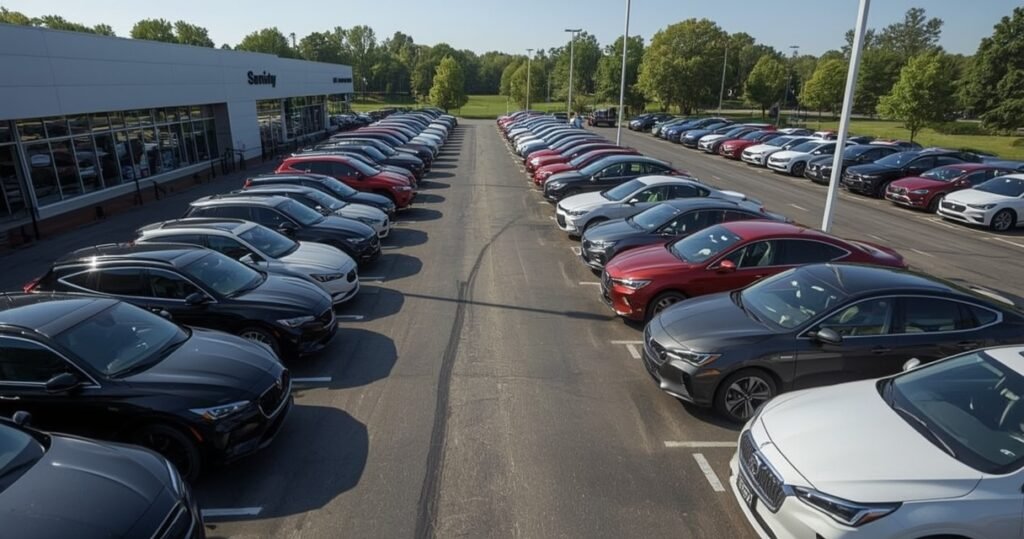
The 2023 used car market has been a subject of close analysis for buyers, sellers, and industry experts alike. Following the unprecedented disruptions of recent years, primarily due to the COVID-19 pandemic and subsequent supply chain challenges, 2023 has emerged as a pivotal year filled with new trends, changing consumer behaviors, and shifting market dynamics. This article examines the state of the 2023 used car market, analyzes key factors influencing prices and availability, and provides guidance for navigating this complex landscape.
Overview of the 2023 used car market
The used car market in 2023 displayed unique characteristics compared to previous years. After the sharp price increases of 2021 and 2022, which stemmed from new vehicle shortages and pent-up demand, the sector began to show signs of stabilization and gradual correction. Stakeholders anticipated a return to pre-pandemic trends, but underlying factors kept the market highly dynamic and somewhat unpredictable.
Key trends observed in 2023
- Normalization of prices: Although prices remained elevated compared to 2019 levels, the dramatic monthly surges seen in previous years moderated substantially in 2023.
- Improved new car supply: With global supply chains recovering, the availability of new cars improved, reducing some pressure on the used car sector.
- Rising interest rates: Higher financing costs impacted affordability for both new and used vehicles, leading some buyers to delay purchases or opt for lower-cost models.
- Increased vehicle age: The average age of used cars on the market increased due to the extended periods people kept their vehicles during the pandemic.
- Continued high demand for fuel-efficient and electric vehicles: Concerns about fuel prices and environmental factors influenced buyer preferences.
Factors influencing the 2023 used car market
Understanding the forces shaping the 2023 used car market requires examining multiple layers, from global economics to local dealership inventory patterns.
Supply chain recovery and new car inventory
Beginning in late 2022 and continuing into 2023, improvements in semiconductor chip supply helped new car production rebound. As more new vehicles hit showrooms, some of the intense demand for late-model used cars eased. However, because of the limited new car sales during the peak chip shortage, there were still fewer “near-new” vehicles (one to three years old) available, keeping prices on these popular models relatively high.
Economic pressures and consumer demand
High inflation and the Federal Reserve’s efforts to curb it through interest rate hikes played a significant role in the market. Financing a vehicle became more challenging for many consumers, with higher monthly payments impacting buying decisions. Some buyers shifted toward older, less expensive used vehicles, increasing demand for budget-friendly options.
Shift in vehicle preferences
Persistently high gas prices and growing climate awareness led many buyers to consider fuel economy when selecting a used car. Hybrid, plug-in hybrid, and electric vehicles (EVs) saw greater interest, although their availability in the used market remained limited due to relatively low sales of new EVs in previous years.
History-dependent inventory
The pandemic’s impact on rental car companies and fleet operators also contributed to a supply crunch. In 2020 and 2021, these companies largely paused or reduced their fleet replenishment, leading to fewer ex-rental vehicles entering the used market throughout 2023.
Pricing trends and market corrections
One of the most discussed aspects of the 2023 used car market was the fluctuation and gradual moderation of prices. While wholesale prices for used vehicles declined from their early-2022 peaks, consumer prices lagged behind this trend due to continued high demand and the slow pace of inventory replenishment. According to reputable automotive research groups, average used car prices in 2023 remained about 35-40% higher than pre-pandemic levels, although the sharp upward trajectory leveled off.
Segment-specific pricing
- Popular SUVs and trucks: Family-friendly and utility vehicles continued to command higher prices, especially well-equipped models with fuel-efficient engines.
- Compact and subcompact cars: Increased demand for affordable transportation pushed prices up for small cars, which had previously depreciated more rapidly.
- Luxury vehicles: Depreciation rates for luxury models normalized, but higher-end vehicles faced lower demand as consumers became more budget-conscious.
- Electric vehicles: Used EVs held their value well, thanks to rising interest and limited supply.
Expert tips for buyers in the 2023 used car market
Navigating the evolving used car market in 2023 required strategy and flexibility. Experts recommend the following approaches for buyers seeking good value and reliable transportation:
- Do your research: Investigate local and regional price trends using reputable online resources and price guides to understand fair market values.
- Be flexible with models and years: Broaden your search to consider multiple makes, models, and model years to find the best deals and greater availability.
- Secure financing in advance: Shop for auto loans before visiting dealerships, as higher interest rates can significantly affect total costs.
- Check vehicle history reports: Insist on seeing a full vehicle history report (such as one from Carfax or AutoCheck) to avoid cars with accident or flood damage.
- Get a pre-purchase inspection: Always have a trusted mechanic inspect the vehicle before finalizing a purchase, especially for older cars or private sales.
- Be patient with negotiations: While inventory improved in 2023, prices did not drop sharply overnight. Be ready to negotiate but also willing to walk away if the deal isn’t right.
Expert tips for sellers in the 2023 used car market
For those looking to sell their vehicle in 2023, the market remained favorable but competitive. Experts recommend the following:
- Prepare your car: Invest in minor repairs, a thorough cleaning, and professional photos to boost your car’s appeal and value.
- Accurately price your vehicle: Use recent sale data from trusted sources to price your vehicle competitively.
- Be transparent: Provide full disclosure of your vehicle’s condition, maintenance records, and any issues to establish trust with buyers.
- Consider multiple selling avenues: Weigh the pros and cons of selling privately versus trading in to a dealership or using an online platform.
Common myths about the 2023 used car market
Several misconceptions persisted throughout 2023, which sometimes misled buyers and sellers. Here are a few common myths—and the facts:
- Myth: Prices have returned to pre-pandemic levels. In reality, while some prices moderated, most used cars remained substantially more expensive in 2023 than before the pandemic due to ongoing supply constraints and inflationary pressures.
- Myth: All used cars are overpriced now. Not every segment experienced equal price increases. Older vehicles, high-mileage examples, or less popular models sometimes presented good bargains.
- Myth: It’s better to wait for prices to crash. Experts warned that a dramatic price correction was unlikely in the short term. Gradual normalization may continue, but supply constraints mean the market will likely remain competitive.
- Myth: New cars are always a better value. While the gap between new and used car prices narrowed, depreciation and higher interest rates kept used vehicles attractive for many buyers.
Warnings and pitfalls to avoid
When navigating the 2023 used car market, buyers and sellers should be alert to potential pitfalls:
- Avoid rushed decisions: The temptation to act quickly amid tight inventory can lead to overlooking red flags or overpaying.
- Beware of private sale scams: Always conduct transactions in safe locations and use secure payment methods.
- Watch for flood-damaged cars: Extreme weather events in recent years mean some flood-damaged vehicles may enter the used market. Look for warning signs and get professional inspections.
- Don’t overlook ownership costs: Factor in registration, insurance, repairs, and possible maintenance for older vehicles, which can offset up-front savings.
The outlook for the 2023 used car market and beyond
As 2023 progressed, analysts noted continued gradual improvement in supply chains and new vehicle availability. However, market normalization was slow, and prices remained higher than historical averages. Experts forecast that, barring significant economic disruption, the used car market will continue to stabilize into 2024, though inventory for the newest used models will likely stay tight for some time.
Both buyers and sellers in the 2023 used car market are encouraged to remain informed, flexible, and cautious to achieve the best outcomes in this unique economic climate. Reliable data, professional advice, and careful planning are the keys to success in an ever-changing automotive landscape.