
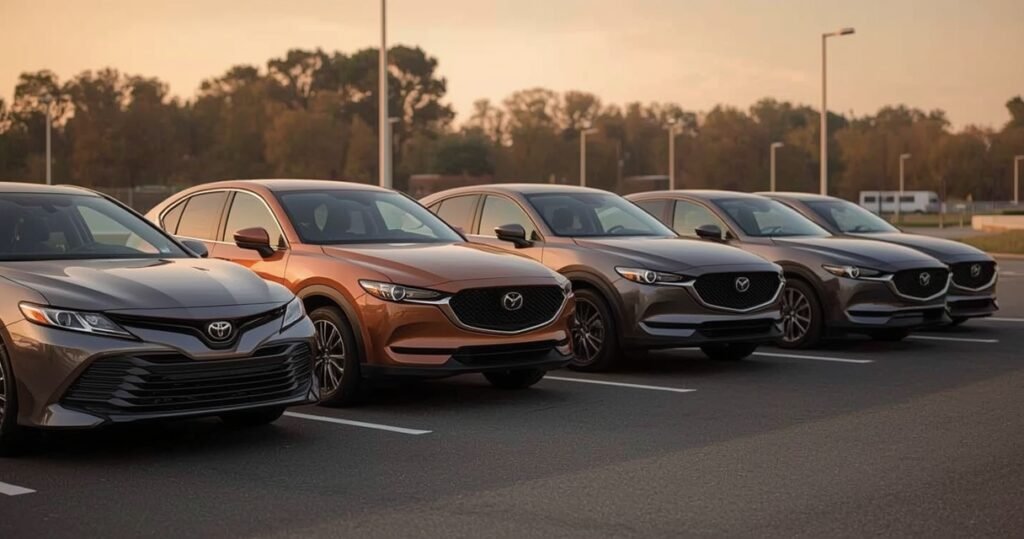
When it comes to purchasing a new vehicle, the type of transmission can play a significant role in driving experience, maintenance, and long-term reliability. In recent years, continuously variable transmissions (CVTs) have become increasingly popular among automakers seeking to boost fuel efficiency and meet emission standards. However, not every driver or enthusiast prefers CVT technology. Some buyers still look for more traditional automatic or manual transmissions due to personal preferences regarding performance, durability, or driving feel. If you are searching for “2023 cars without CVT transmission,” understanding which models offer alternatives and why they might suit your needs is essential. This article explores the landscape of 2023 vehicles equipped with traditional automatic or manual transmissions, the reasons behind the continued demand, and what you should know before making your choice.
Understanding CVT and alternative transmissions
Continuously variable transmissions have gained favor for their fuel-saving potential by providing seamless acceleration and keeping the engine in the optimal power band. However, CVTs are not universally appreciated. Many drivers cite concerns about their longevity, unique “rubber band” driving feel, or higher replacement costs compared to conventional transmissions.
Types of transmissions in 2023 vehicles
- Traditional automatic transmission: Uses a fixed number of gears, typically providing a more connected driving experience and well-known reliability—especially in established models.
- Manual transmission: Involves the driver manually shifting gears. While declining in popularity, some brands and models still offer this choice to appeal to enthusiasts.
- Dual-clutch transmission (DCT): A type of automated manual with two separate clutches, popular in performance and some mainstream applications for its quick shifts and sporty character.
Why some drivers avoid CVT-equipped cars
The shift toward CVTs is driven primarily by manufacturers aiming for efficiency and cost savings. Yet, certain markets and consumer segments remain hesitant. Here are some core reasons:
- Driving feel: CVTs often lack the defined gear changes of traditional automatics, which can detract from the sensation of power delivery.
- Performance perception: Some drivers feel CVTs are less responsive, particularly under hard acceleration or in spirited driving scenarios.
- Maintenance and longevity: Although modern CVTs have improved, early designs earned a reputation for being expensive to repair or replace, especially if not serviced properly.
- Vehicle use: Towing, off-roading, or performance driving may be better served by conventional automatics, which tend to handle higher loads and torque more reliably.
2023 cars without CVT transmission: notable models and segments
Despite the proliferation of CVTs, plenty of 2023 cars still offer traditional automatic, dual-clutch, or manual transmissions. Here is a breakdown of some popular vehicles without CVT transmissions, organized by category.
Sedans and hatchbacks
- Toyota Camry: While the smaller Toyota Corolla often features a CVT, the Camry continues to use an 8-speed automatic in its non-hybrid trims.
- Honda Civic (Si and Type R): Enthusiast versions come with a manual transmission, sidestepping CVT entirely for a purist driving experience.
- Hyundai Elantra N: This sporty model features either a 6-speed manual or an 8-speed dual-clutch automatic.
- Volkswagen Jetta GLI: Offers both a 6-speed manual and a traditional automatic transmission option depending on trim.
SUVs and crossovers
- Toyota RAV4: Uses an 8-speed automatic transmission in gasoline models; only the hybrid and plug-in hybrid versions use a different system.
- Mazda CX-5/CX-50: Both stick with 6-speed automatic transmissions, emphasizing driving dynamics over maximizing fuel economy at all costs.
- Ford Bronco Sport and Ford Escape: Most trims use an 8-speed automatic transmission rather than a CVT.
- Jeep Cherokee: Employs a 9-speed automatic transmission in its latest iterations.
Trucks and body-on-frame SUVs
- Ford F-150: Continues with advanced 10-speed automatic transmissions.
- Chevrolet Silverado and GMC Sierra: Feature 8-speed or 10-speed automatics depending on engine choice.
- Toyota Tacoma: Offers a traditional 6-speed automatic or a 6-speed manual in certain trims.
- Jeep Wrangler: Available with either 6-speed manual or 8-speed automatic transmissions, depending on engine choice.
Performance cars
- Ford Mustang: Available with both 6-speed manual and 10-speed automatic options.
- Chevrolet Camaro: Offers 6-speed manual and 10-speed automatic transmissions.
- Dodge Charger and Challenger: Feature 8-speed automatics in V6 and V8 trims; some trims offer manual gearboxes.
- Nissan Z: Debuts with a 6-speed manual or 9-speed automatic transmission without CVT options.
- Toyota GR Supra: Now offers a manual transmission option for driving enthusiasts.
Pros and cons of conventional transmissions vs. CVT
Advantages of conventional automatic and manual transmissions
- Durability and repairability: Typically, conventional automatics and manuals have longer service histories and are often perceived as more robust when maintained properly.
- Driving engagement: Manual and conventional automatic transmissions provide more direct and predictable responses.
- Performance: Vehicles with multi-gear automatics or manuals often handle torque better and support sportier driving styles.
Potential drawbacks
- Fuel efficiency: Traditional transmissions usually cannot match the fuel economy of a modern, well-tuned CVT, especially in city driving.
- Complexity in modern automatics: Advanced automatics with 8 or more gears can be costly to repair if they malfunction.
- Declining availability: As emission and efficiency standards become stricter, some manufacturers may phase out non-CVT options in mass-market cars, limiting future choices.
Expert tips for choosing the right transmission
- Define your priorities: Determine whether driving excitement, towing capacity, smoothness, or cost of ownership is most important for your needs.
- Plan for the long term: Research not just the initial cost, but also the long-term maintenance and resale value of specific transmissions in your shortlisted models.
- Test drive: Always test drive both CVT and non-CVT options to gauge your comfort and satisfaction with each transmission type.
- Consult vehicle reliability data: Reputable automotive authorities, such as J.D. Power or Consumer Reports, regularly assess long-term reliability of different car models and transmissions.
Common myths and clarifications
- All modern cars use CVTs: Many automakers continue to provide traditional automatic or manual transmissions, especially in higher-output vehicles, trucks, and performance cars.
- CVTs are inherently unreliable: Design and durability have improved considerably, but regular maintenance is crucial for longevity—just as with any transmission.
- Manual transmissions are obsolete: While rare in the mass market, they remain prized in performance and enthusiast circles, and certain models still offer them.
Warnings and considerations
- Manufacturer variation: Transmission types can change within a single model year depending on trim, market, or production updates—always confirm specifications on the vehicle you are considering.
- Servicing needs: Some automatics and CVTs require fluid changes or other maintenance that can impact reliability. Follow the manufacturer’s recommendations to minimize risk.
- Driving habits: Transmission longevity is influenced strongly by driving style, use case (e.g., frequent towing or extreme conditions), and adherence to maintenance schedules.
Conclusion
The search for 2023 cars without CVT transmission remains a relevant quest for drivers who place a premium on traditional driving dynamics, towing ability, or proven durability. From sedans and SUVs to trucks and pure performance machines, many automakers continue to offer robust alternatives such as conventional automatics, dual-clutch automatics, and even manual gearboxes. As always, prospective buyers should consider their own driving needs, research potential models thoroughly, and consult both expert and owner reviews to ensure the right transmission choice for years of satisfaction behind the wheel.