The Vehicle Identification Number (VIN) is a crucial string of characters that offers detailed information about a specific vehicle, serving as its unique fingerprint. Whether you’re buying, selling, insuring, or simply maintaining your 2020 Jeep Wrangler, knowing where to locate its VIN is essential. This article provides a comprehensive guide on the 2020 Jeep Wrangler VIN location, why this number matters, how to read it, and additional expert tips to ensure you use this information accurately and safely.
Understanding the VIN: what it is and why it matters
The VIN is a 17-character code composed of both numbers and letters, uniquely identifying every vehicle manufactured for road use after 1981. The code provides information about the car’s make, model, engine type, place of manufacture, and other key details. For a 2020 Jeep Wrangler, the VIN is not just a random number—it’s the key to the vehicle’s history, allowing owners, buyers, and professionals to track recalls, registrations, warranty claims, thefts, and insurance coverage.
Primary 2020 Jeep Wrangler VIN location
Automakers have specific requirements on where to place the VIN for easy identification and to ensure accessibility for authorities and owners alike. Here are the main locations to find the VIN on a 2020 Jeep Wrangler:
On the dashboard (driver’s side)
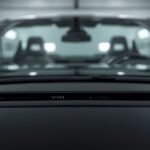
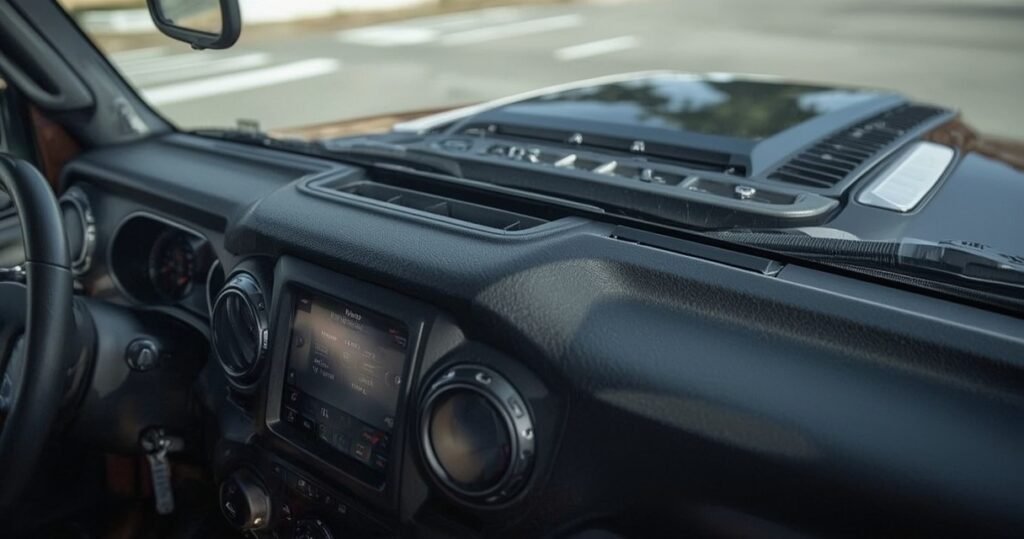
- The most common and accessible place to locate the VIN is on the dashboard, near where it meets the windshield on the driver’s side. Stand outside the vehicle and look through the windshield; you should see a rectangular metal or plastic plate affixed to the dashboard surface, displaying the 17-character VIN.
- This position allows law enforcement or inspectors to read the VIN without entering the vehicle, making it both practical and secure.
On the driver’s side door jamb
- Another official location is on the driver’s side door jamb. Open the driver’s door and inspect the area where the door meets the frame. A manufacturer’s sticker or plate will usually be affixed here, showing the VIN along with other vital details such as tire pressure recommendations and vehicle weight ratings.
- This VIN sticker is often used by mechanics and body shops for confirmation during maintenance and repairs.
Additional VIN locations
- In some cases, the VIN may also be stamped on the chassis, under the hood, or in other discreet locations by the manufacturer, primarily for anti-theft and verification purposes.
- Consult the owner’s manual for your 2020 Jeep Wrangler for specific instructions, as these locations may vary based on trim level and vehicle history.
How to read the 2020 Jeep Wrangler VIN
Beyond simply knowing the VIN’s location, understanding how to decipher its characters can provide meaningful insights into the vehicle’s build and history.
Structure of a VIN
- Characters 1–3 (World Manufacturer Identifier): These indicate the manufacturer and the country of origin.
- Characters 4–8 (Vehicle Descriptor Section): These provide details about the model, body style, engine type, and restraint systems.
- Character 9 (Check Digit): Used to verify that the VIN is authentic and not forged.
- Character 10 (Model Year): Identifies the model year of the vehicle. The 2020 Jeep Wrangler will have “L” in this position, which is the code for 2020.
- Character 11 (Assembly Plant): Specifies which plant manufactured the vehicle.
- Characters 12–17 (Production Sequence): The unique serial number of the automobile.
Specialized VIN decoder tools or guides, often used by professionals and available from official sources, can help interpret each character’s meaning precisely.
Why knowing the VIN location is important
Knowing the precise VIN location on your 2020 Jeep Wrangler isn’t merely for record-keeping. It has several practical and legal implications:
- Registration and titling: Accurate VIN verification is required for registering your vehicle with state authorities.
- Insurance: Your insurer will ask for the VIN to quote coverage rates and check for previous claims, damages, or theft reports.
- Maintenance and recalls: The VIN is essential for determining eligibility for recalls or for ordering correct parts.
- Resale and buying: Prospective buyers and auto dealerships check the VIN to verify the vehicle’s authenticity and history (such as by using official vehicle history report services).
- Theft protection: Law enforcement relies on the VIN to recover stolen vehicles and investigate crimes.
Tips for safely checking your VIN
Verifying your VIN is generally straightforward, but it’s wise to follow a few expert recommendations to avoid common mistakes and protect your privacy:
- Ensure visibility: Clean the windshield or door jamb area. Dirt or grime can obscure the VIN and make reading it difficult.
- Use proper lighting: A flashlight or your smartphone’s light can help spot faint, worn, or partly-obscured numbers, which may occur due to sun exposure or general wear.
- Verify consistency: Compare the VIN in all visible locations (dashboard, door jamb, and paperwork such as the registration or title) to ensure they all match. Mismatched VINs are a serious red flag for theft or tampering.
- Protect from identity theft: While sharing your VIN is usually necessary with authorized parties (dealers, insurers, law enforcement), avoid publicly posting full VINs with personal information on social media or public forums.
Common misconceptions about VIN locations
There are several misunderstandings regarding where the VIN can be found or how it should look. Here are some myths and the facts:
- Myth: “All VINs are in the same location across models and years.”
Fact: While dashboard and door jamb placements are standard, exact positions may slightly differ, especially on older models or special editions. - Myth: “The VIN on a sticker is less official than the one stamped into metal.”
Fact: Both sticker and stamped versions are legally recognized, though permanent, stamped VINs may be considered more difficult to tamper with. - Myth: “A missing or altered VIN always means a vehicle is stolen.”
Fact: While this is a serious warning sign, some missing plates may result from repairs or replacements. Professional inspection is needed to verify legitimacy.
Expert tips for Jeep Wrangler owners
Owning a Jeep Wrangler often means being ready for off-road adventures, which can contribute to wear and tear on VIN plates and stickers. Here’s how to ensure your VIN remains legible and secure:
- Regularly check the VIN locations for damage, especially after off-roading or deep cleaning.
- Take clear photos of the VIN for your records. These can help with insurance claims or documentation if a sticker is damaged or lost.
- If your VIN sticker becomes unreadable, contact an authorized Jeep service center for proper replacement procedures. Never attempt to remove, alter, or replace a VIN yourself, as this may violate local laws and void your warranty.
- Keep all paperwork, such as your owner’s manual, title, and insurance records, secure and updated with the correct VIN.
When to seek professional help
If you observe any of the following, it’s recommended to consult with a certified automotive professional or law enforcement:
- The VIN plate or sticker appears tampered with (scratched, altered, or missing characters).
- VINs in different locations do not match.
- You’re unsure about reading the VIN or need to verify authenticity for legal or insurance purposes.
Summary: the importance of accurate VIN identification
The 2020 Jeep Wrangler VIN location is easy to find—on the driver’s side dashboard, visible through the windshield, and on the driver’s door jamb. Understanding where to look and how to interpret this identifier not only supports responsible vehicle ownership but also protects you from potential fraud, legal issues, or safety risks. Always use this information for legitimate and safe purposes, and refer to your vehicle’s official manual or a professional for additional guidance when in doubt. Staying informed about your Jeep Wrangler’s VIN is a smart step toward enjoying many secure and adventurous miles ahead.