
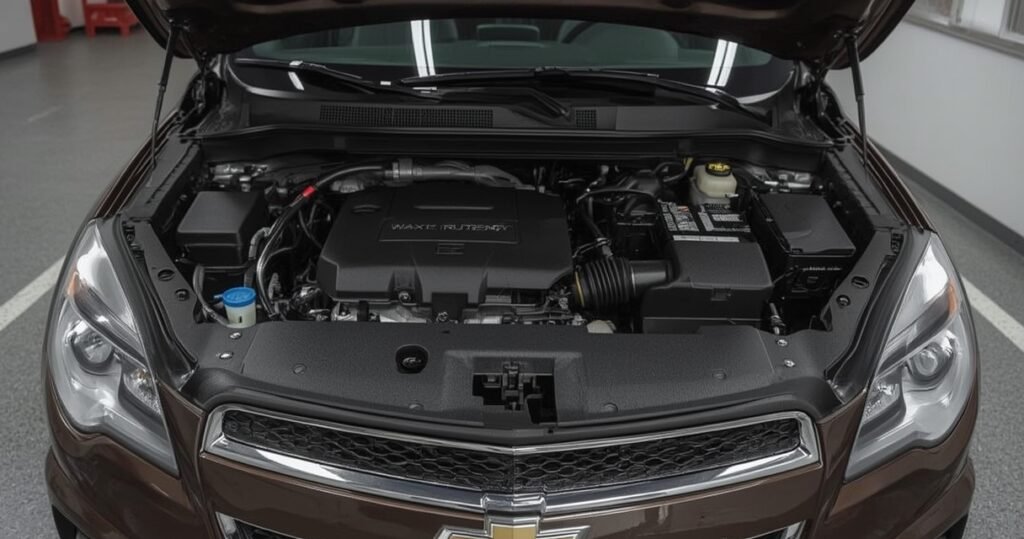
The 2011 Chevy Equinox is a popular compact SUV recognized for its balance of comfort, utility, and efficiency. Among the various essential maintenance tasks for keeping this vehicle running smoothly is monitoring and servicing the power steering system. One frequently asked question among Equinox owners is: “Where is the power steering fluid located in a 2011 Chevy Equinox?” This article provides clear, fact-based information about the 2011 Chevy Equinox power steering fluid location, delves into the reasons behind its design, and offers practical tips for upkeep and troubleshooting.
Understanding power steering systems in modern vehicles
Power steering serves a critical role in allowing drivers to maneuver their vehicles with minimal effort, especially at low speeds and during tight turns. Traditionally, most vehicles employed a hydraulic power steering system, which relies on a special fluid to transmit pressure and assist steering. However, advancements in automotive engineering have introduced electronic power steering (EPS) systems, which use electric motors rather than hydraulic fluid to aid steering input.
The 2011 Chevy Equinox power steering system: what you need to know
The 2011 Chevy Equinox was produced during an era when many automakers were transitioning from hydraulic to electronic steering. Understanding which system your vehicle uses is crucial in determining power steering maintenance needs, including the presence—or absence—of a power steering fluid reservoir.
Does the 2011 Chevy Equinox use power steering fluid?
- Electric power steering (EPS): Most trims and engine options for the 2011 Chevy Equinox are equipped with electric power steering. In this system, an electric motor provides steering assist, eliminating the need for hydraulic lines, pumps, and fluid. Therefore, there is no power steering fluid reservoir or fluid to check or exchange.
- Hydraulic exceptions: A very limited number of earlier GM vehicles still utilized hydraulic systems at this time. However, available manufacturer and service manual data indicate that all 2011 Chevy Equinox models are equipped with electric rather than hydraulic power steering.
Why the change to electric power steering?
- Efficiency: Electric systems reduce mechanical drag caused by engine-driven pumps, thereby improving fuel economy.
- Reliability: With fewer moving parts and no fluid to deteriorate or leak, EPS systems tend to be more reliable and require less maintenance.
- Precision: Electric power steering integrates easily with advanced driver assistance technologies, offering adaptable steering feel and improved safety functions.
Locating the power steering fluid reservoir on the 2011 Chevy Equinox
Given that the vast majority of 2011 Chevy Equinox models utilize electric power steering, there is no dedicated power steering fluid reservoir under the hood. When inspecting the engine compartment, you will not find a container labeled for power steering fluid as you might in earlier or different vehicle models. Any suggestion to add or check power steering fluid in a standard 2011 Equinox would indicate a misunderstanding of this vehicle’s engineering.
What about similar-sounding reservoirs?
- Brake fluid: There is a master cylinder reservoir for brake fluid, which is clearly labeled. This is entirely separate from the steering system.
- Windshield washer fluid: Another reservoir is often found under the hood and is marked for washer fluid only.
- Coolant and oil: Other fluids have their own dedicated fills and should not be confused with the nonexistent power steering fluid location in this model.
Common misconceptions and myths
Misinformation about the 2011 Chevy Equinox power steering fluid location can lead to unnecessary concern or attempts to perform needless maintenance. Here are some common myths addressed:
- Myth: All vehicles have power steering fluid.
- Fact: Many new vehicles, including the 2011 Equinox, have switched to electric systems and no longer use power steering fluid.
- Myth: If steering feels stiff, the fluid must be low.
- Fact: On the 2011 Equinox, stiff steering is not related to fluid but could indicate problems with the electric steering motor, sensors, or electrical system.
- Myth: Universal stop-leak additives can fix steering problems.
- Fact: Additives designed for hydraulic power steering will have no effect—and may cause harm if incorrectly added to an EPS system.
Troubleshooting steering issues on the 2011 Chevy Equinox
Although you cannot check or change power steering fluid on the 2011 Equinox, you may still encounter steering issues. Understanding the symptoms and what to do next can help prevent more serious problems.
Common electronic power steering issues
- Intermittent or stiff steering: May signal a failing EPS motor, faulty sensors, or electrical connection problems.
- Warning lights: The dashboard may display a steering warning icon if the system detects a malfunction. In such cases, diagnostic codes should be read using specialized equipment.
- Strange noises: Unusual sounds while turning, not related to fluid, may stem from worn components or electrical interference.
Suggested steps if you experience problems
- Ensure your battery and charging system are in good working condition, as EPS systems rely heavily on consistent voltage.
- Check for blown fuses or loose electrical connections under the hood.
- If warning lights appear or steering feels abnormal, have the vehicle inspected by a certified technician experienced with GM’s EPS systems.
- Avoid attempts to add fluid or use additives, as this can lead to unnecessary repairs or system contamination.
Preventive care for electronic power steering
Without fluid to top off or exchange, maintenance for the 2011 Chevy Equinox’s steering depends mostly on proper care of electrical and mechanical components.
Expert recommendations for extending EPS life
- Keep the battery and charging system healthy: Regularly check battery terminals for corrosion and ensure the alternator is working properly.
- Avoid deep water and road salt when possible: Excess exposure to moisture or corrosive substances can damage sensitive electrical connectors.
- Pay attention to vehicle recalls and technical service bulletins (TSBs): GM and the National Highway Traffic Safety Administration (NHTSA) occasionally issue updates addressing EPS concerns.
- Immediate attention to symptoms: If you notice any issues with steering, have the vehicle checked promptly to prevent small problems from escalating.
Professional maintenance versus DIY
While many car enthusiasts enjoy performing routine checks and maintenance, the advanced electronics in today’s vehicles often mean that diagnosing and repairing issues such as those in the 2011 Equinox’s steering system require specialized knowledge and tools. For safety and reliability, always defer to qualified technicians for EPS problems—especially if dashboard warnings or system failures occur.
2011 Chevy Equinox power steering fluid location: summary and key takeaways
- The 2011 Chevy Equinox employs an electric power steering (EPS) system, so there is no power steering fluid or dedicated reservoir in this model.
- Don’t attempt to add or change steering fluid, as it is not present or required in the EPS design.
- If you experience steering concerns, focus on electrical diagnostics or professional service, not fluid maintenance.
- Battery health and attention to dashboard alerts are the primary means of ensuring ongoing steering performance in your 2011 Equinox.
Conclusion
The 2011 Chevy Equinox exemplifies the shift from traditional hydraulic to modern electric power steering systems—providing drivers with a more reliable, efficient, and lower-maintenance driving experience. Understanding that there is no power steering fluid or reservoir in this vehicle is essential for proper care. For any steering issues, owners should turn to diagnostics focused on the vehicle’s electrical and electronic systems, rather than searching for or attempting to service a nonexistent fluid component. Stay informed, prioritize preventive care, and rely on trusted professionals for any complex system concerns.