
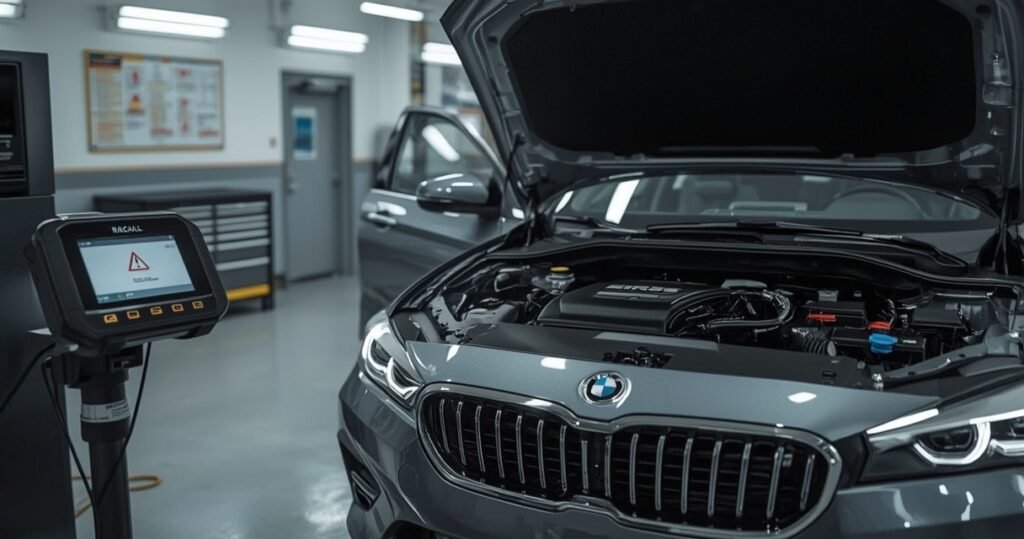
Product recalls are a critical part of consumer safety and quality assurance, especially in industries such as automotive, food, pharmaceuticals, and electronics. If you’ve ever heard the term “open recall” and wondered what it means, understanding its significance is essential for both consumers and businesses alike. An open recall refers to a situation where a manufacturer or regulatory agency has determined that a product—ranging from a vehicle to medication—has a defect or safety concern, and the recall action has not yet been addressed for a particular item. This article explores the meaning of an open recall, why it occurs, how it impacts consumers, and the steps you should take if you learn that a product you use is under an open recall.
What is an open recall? Meaning and key concepts
In its simplest terms, an open recall means that an official notice has been issued requiring the repair, replacement, or correction of a product due to a confirmed defect or safety issue, but the necessary action has not yet been performed on that specific item or unit. This status remains “open” until the recall process is completed for the product in question.
Open recalls are common across various sectors, with automotive recalls being especially prominent. When a recall is issued, consumers who own affected products are usually advised to take corrective action, such as returning the item, getting it repaired, or stopping its use. An open recall indicates that this corrective action is outstanding, thereby presenting ongoing risks or compliance concerns.
Types of recalls and what triggers them
- Safety-related recalls: Initiated when a product poses a risk of injury or harm to users. For example, vehicles with defective airbags or contaminated food products often lead to safety recalls.
- Compliance recalls: Occur when a product fails to meet regulatory standards or labeling requirements, even if it doesn’t immediately endanger consumer safety.
- Voluntary vs. mandatory recalls: Manufacturers may issue recalls on their own (voluntary), or at the direction of government agencies such as the National Highway Traffic Safety Administration (NHTSA), Food and Drug Administration (FDA), or Consumer Product Safety Commission (CPSC).
How does an open recall differ from a closed recall?
A closed recall refers to a situation where the remedial action (repair, replacement, or return) has been successfully completed for an affected product. For example, if you take your car into a dealership to fix a recalled airbag, the recall on your vehicle becomes closed once the repair is made and officially recorded.
In contrast, an open recall means that the necessary fix remains outstanding. This distinction is important: open recalls may render products unsafe or illegal to operate, while closed recalls typically restore full compliance and safety.
Common industries and examples of open recalls
Open recalls are not confined to one industry. Some of the sectors where open recalls are particularly relevant include:
- Automotive:
- Defective airbags (e.g., Takata airbag recall)
- Faulty brake systems or ignition switches
- Pharmaceuticals:
- Contaminated medications
- Incorrect labeling or dosage issues
- Food products:
- Pathogenic contamination, such as E. coli or salmonella
- Undeclared allergens
- Consumer electronics:
- Overheating batteries
- Fire hazards from faulty chargers
Why are open recalls important?
Open recalls exist to protect public health and safety. Unresolved recalls can result in hazardous exposures, bodily injury, property damage, or legal consequences. For instance, the NHTSA estimates that millions of vehicles on U.S. roads have unresolved open recalls, creating ongoing risks for drivers, passengers, and pedestrians.
Open recalls also play a central role in maintaining market trust. Prompt resolution assures consumers that manufacturers take safety and compliance seriously. Failure to address open recalls can damage brand reputation and increase liability.
Risks of ignoring open recalls
- Injury or fatality: Faulty products can cause serious accidents or health issues.
- Legal and insurance complications: Operating a product—such as a recalled car—with an open recall may lead to insurance denial in the event of an accident. It may also be illegal in certain jurisdictions.
- Decreased resale value: Products with open recalls may be harder to sell or command a lower price.
- Business consequences: For companies, failing to resolve open recalls can result in regulatory penalties, lawsuits, and product bans.
How to check for and address an open recall
Both consumers and businesses can proactively monitor and resolve open recalls. Authorities and companies maintain recall databases and notification systems.
Checking for open recalls as a consumer
- For vehicles: Use the vehicle identification number (VIN) to search government or manufacturer recall databases. This reveals whether your car has any unresolved (open) recalls.
- For food and drugs: Check recall databases operated by agencies such as the FDA or USDA. Batch codes or lot numbers are often used to identify affected products.
- For electronics: Manufacturers typically publish affected model numbers on their websites or official notices.
- Stay informed: Sign up for email or SMS alerts about new recalls from official sources.
What to do if your product has an open recall
- Read the notice carefully: Understand the specific issue, potential hazards, and recommended actions.
- Follow instructions: These may include stopping use, returning the product, scheduling repairs, or seeking a replacement.
- Contact the manufacturer or dealer: Follow official channels to arrange for the prescribed remedy.
- Document the outcome: Keep receipts or proof of repair for your records.
Myths and misconceptions about open recalls
Several misconceptions persist regarding open recalls, some of which may lead consumers to underestimate their importance.
- Myth: “If I haven’t noticed a problem, the recall doesn’t concern me.”
Fact: Many recalls are issued proactively—problems may not be immediately obvious but still pose risks. - Myth: “Resolving a recall is costly for consumers.”
Fact: Most recall remedies—such as repairs, replacements, or refunds—are performed free of charge by the manufacturer. - Myth: “Open recalls don’t matter for older products or vehicles.”
Fact: Age is irrelevant; if your product is affected, prompt action is important regardless of its vintage.
How open recalls affect businesses and regulatory compliance
For businesses, especially retailers and resellers, monitoring for open recalls is essential to remain compliant with laws and protect customers. Regulations often require that open recalls be addressed before products are resold, especially in the automotive and electronics sectors. Failure to manage open recalls can result in penalties, consumer lawsuits, and loss of operating licenses.
Manufacturers are expected to communicate recalls swiftly and transparently, maintain accessible records, and implement corrective measures efficiently. Collaborating with regulatory agencies is a fundamental part of recall management.
Expert tips for managing open recalls
- Stay informed: Regularly check product safety bulletins from recognized agencies and manufacturers in industries relevant to you.
- Register your products: Many manufacturers provide registration cards or portals for recall notifications.
- Don’t ignore notices: Take immediate action if you receive a recall warning, no matter how minor the issue may seem.
- For businesses: Train staff to handle recalls efficiently, maintain up-to-date records, and establish recall response protocols.
- Document everything: Retain all correspondence, notices, and receipts related to recall actions for reference and future verification.
Conclusion: Staying proactive about open recalls
Understanding the “open recall meaning” is not just a matter of compliance—it’s a crucial component of personal and public safety. Whether you are a consumer or a business, being proactive about recalls protects your health, finances, and legal standing. Regularly check for open recalls applicable to the products you use, follow official instructions promptly, and help spread awareness. By staying informed and diligent, you play a vital role in maintaining a safe marketplace for all.