
The 2013 Nissan Rogue is a popular compact crossover SUV known for its blend of practicality, fuel efficiency, and accessible features. For vehicle owners, buyers, or automotive professionals, understanding the Vehicle Identification Number (VIN) of a 2013 Nissan Rogue is crucial for a wide range of tasks—from verifying vehicle history to ensuring correct parts replacement. This article explores the importance of the 2013 Nissan Rogue VIN number, how to locate and decode it, and best practices for using VIN-related information responsibly.
What is a VIN number?
The Vehicle Identification Number, commonly referred to as the VIN, is a unique 17-character alphanumeric code assigned to every motor vehicle when it’s manufactured. The VIN acts as the vehicle’s fingerprint, providing essential information about its origin, specifications, and manufacturer. For a 2013 Nissan Rogue, just like any other modern vehicle, the VIN is an indispensable tool for identification and traceability.
Why is the 2013 Nissan Rogue VIN number important?
The 2013 Nissan Rogue VIN number plays a central role in several important processes:
- Vehicle history checks: Helps potential buyers investigate prior accidents, title status, and mileage discrepancies.
- Theft prevention and recovery: Law enforcement uses the VIN to track and recover stolen vehicles.
- Safety recalls: Automakers and regulatory agencies identify which vehicles are affected by recalls using the VIN.
- Correct parts replacement: Parts suppliers and mechanics use the VIN to determine precise specifications and compatibility for replacement parts.
- Registration and insurance: The VIN is required for registering a vehicle or obtaining insurance coverage.
Where to find the 2013 Nissan Rogue VIN number
There are several standard locations on a 2013 Nissan Rogue where the VIN can be found:
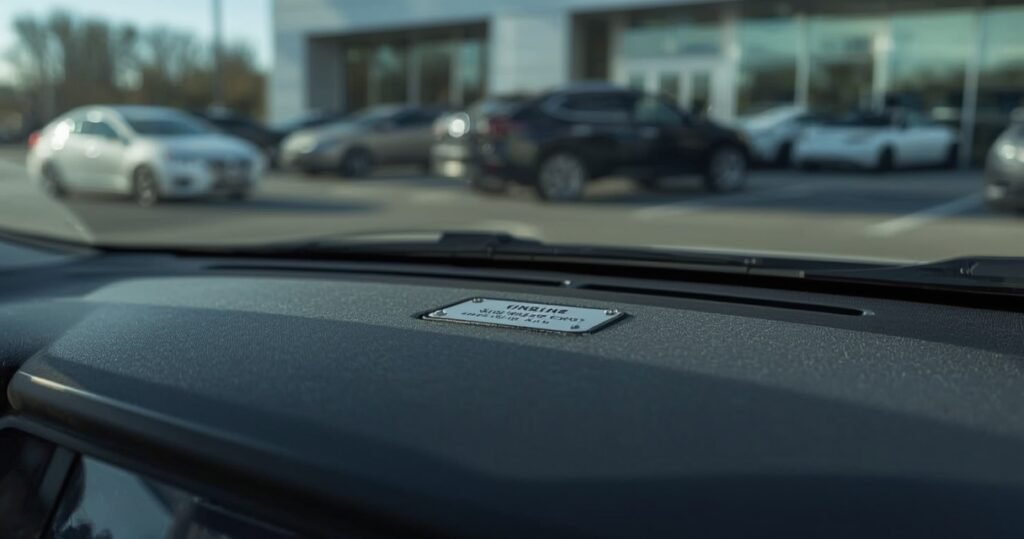
- Dashboard (driver’s side): Viewed through the windshield on a metal plate near the base of the windshield.
- Driver’s side door jamb: Printed on a sticker or plate visible when the door is open.
- Vehicle registration and title documents: Printed on official paperwork.
- Insurance documents: Usually listed on insurance cards or policies.
- Engine compartment: Sometimes stamped or labeled on the firewall or near the strut tower.
Expert tip:
Always verify that the VIN on your vehicle matches what is printed on your registration, title, and insurance documents to avoid potential problems with ownership, maintenance, or law enforcement.
Decoding the 2013 Nissan Rogue VIN number
Each character or group of characters in the VIN represents specific information. Here’s a general breakdown:
- 1st character (Country of origin): Where the vehicle was manufactured.
- 2nd character (Manufacturer): The company that produced the vehicle.
- 3rd character (Vehicle type or division): Type of vehicle or manufacturing division.
- 4th–8th characters (Vehicle descriptor section): Body type, engine, model, and series.
- 9th character (Check digit): Security code that helps to verify the VIN’s authenticity.
- 10th character (Model year): Indicates the model year; for 2013, this will be ‘D’.
- 11th character (Assembly plant): Where the vehicle was assembled.
- 12th–17th characters (Serial number): Unique identifier for the specific vehicle.
The 2013 Nissan Rogue typically starts its VIN with “JN8”, signifying that it was manufactured by Nissan in Japan. For vehicle buyers, confirming the model year character helps prevent confusion with similar models from other years.
Sample breakdown: 2013 Nissan Rogue VIN
- JN8 – Nissan Motor Co. (Japan)
- AS5MT9 – Series, body, engine, safety systems
- D – Model year 2013
- X – Assembly plant code
- 123456 – Serial number unique to the vehicle
Common uses for the 2013 Nissan Rogue VIN number
The VIN serves a wide range of practical purposes, both for individual owners and automotive professionals:
- Used car buying: Checking for reported accidents, flood damage, lemon history, or odometer fraud.
- Recall look-up: Using the VIN to see if the 2013 Nissan Rogue has any open safety recalls.
- Parts ordering: Ensuring purchased components (such as airbags, sensors, or control modules) match original specifications.
- Service records: Tracking maintenance history by linking service data to the vehicle’s specific VIN.
- Theft checks: Confirming if a vehicle is listed as stolen or has a salvage/rebuilt title.
How to perform a VIN check on your 2013 Nissan Rogue
Checking your VIN is a straightforward process:
- Step 1: Locate the VIN on the car or related documents.
- Step 2: Enter the VIN into a reputable, government or automotive service database. In many countries, such services are provided by transportation agencies or third-party automotive data providers.
- Step 3: Review the resulting report carefully for accident history, recalls, title status, and more.
Warning:
Be wary of websites that offer VIN checks for free but require unnecessary personal information or credit card details. Opt for services offered by known institutions or major automotive organizations.
Myths and misconceptions about VIN numbers
Despite their importance, several myths surround VIN numbers and their usage.
- Myth: Two cars can share the same VIN.
Fact: Each VIN is unique worldwide; duplicate VINs are an indication of tampering or fraud. - Myth: Changing a single digit in a VIN is harmless.
Fact: Any alteration to a VIN can be considered a criminal offense. - Myth: VIN numbers contain the owner’s personal information.
Fact: The VIN relates exclusively to the vehicle, not the owner. - Myth: You don’t need a VIN for auto repairs.
Fact: Many repairs, especially involving electronics or safety systems, require the VIN to verify compatibility.
Expert tips for VIN use and safety
- Always compare the VIN on the vehicle body with the numbers on documentation before purchase.
- Avoid purchasing vehicles with mismatched or altered VIN numbers; these are common signs of stolen or illegally rebuilt cars.
- After an accident or significant repair, double-check that all replaced body parts still display the original VIN labels.
- Protect your VIN from potential scammers, but do not obscure or tamper with VIN plates—it can be considered illegal in many jurisdictions.
- When selling your car, be prepared to provide the VIN to legitimate buyers for inspection and history checks.
When to contact a professional
If you find irregularities such as inconsistent VIN numbers, missing VIN plates, or damaged VIN labels, contact your local DMV, law enforcement, or a certified automotive professional. Issues like VIN tampering or cloning are serious and may have legal consequences.
Conclusion
The 2013 Nissan Rogue VIN number is more than just a random series of characters. It provides a gateway to the vehicle’s unique history, ensures the safe purchase and maintenance of vehicles, and is a critical resource for safety and theft recovery. Whether you’re buying, selling, repairing, or insuring a 2013 Nissan Rogue, understanding and using the VIN responsibly protects your investment and supports road safety for all.

An experienced automotive writer and industry analyst with a strong passion for cars, engineering, and road performance. Specializes in delivering clear, insightful reviews, detailed comparisons, and practical advice for everyday drivers, gearheads, and those looking to make informed vehicle choices.