
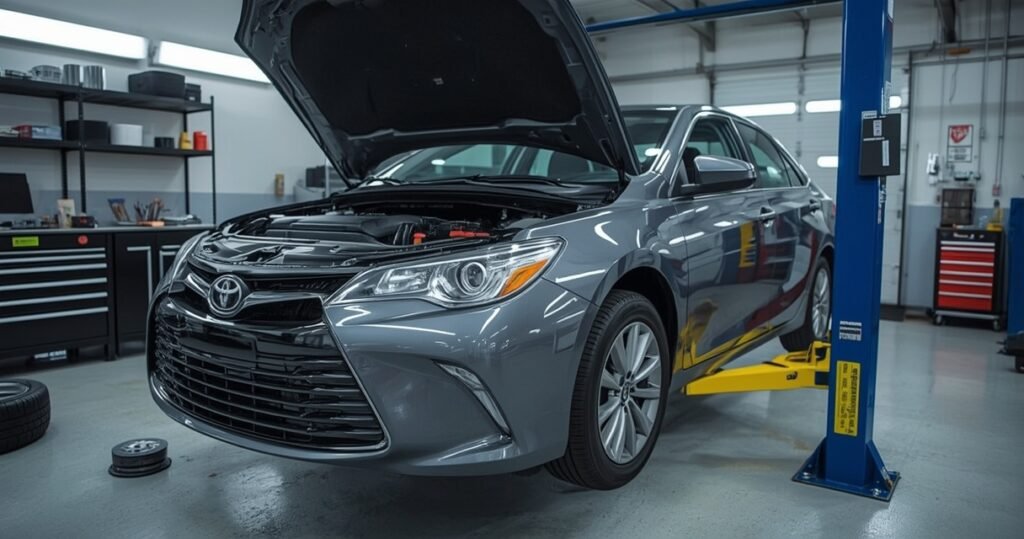
Regular vehicle maintenance is essential to keep your car running smoothly, efficiently, and safely. Among the critical milestones in a car’s life is the 100,000-mile mark—a significant threshold when many mechanical issues can start to emerge. Understanding the 100,000 mile maintenance cost, what this service typically includes, and how to plan for it can help car owners protect their investment and avoid costly breakdowns. This article breaks down what to expect at this pivotal maintenance interval, explores factors influencing costs, and offers expert strategies to save money without compromising vehicle health.
Why the 100,000 mile service matters
Modern vehicles are more durable than ever, but once a car surpasses 100,000 miles, it generally requires comprehensive inspections and servicing. At this stage, many components have either reached or are approaching the end of their designed lifespan. Preventative maintenance is especially important because it reduces the risk of major failures, helps maintain fuel efficiency, and preserves resale value. Addressing key systems—engine, transmission, suspension, brakes, and more—can mean the difference between another 100,000 trouble-free miles and expensive, inconvenient repairs.
What is typically included in 100,000 mile maintenance?
The exact services performed during a 100,000-mile maintenance appointment can differ based on the vehicle make, model, year, and driving conditions. However, there are common practices and checks recommended by automotive manufacturers and industry experts.
Essential maintenance tasks
- Engine oil and filter replacement: Old oil can cause internal engine wear and failures; changing it is fundamental.
- Transmission service: Includes checking fluid level and condition, and possibly changing fluid and filter.
- Spark plug replacement: Crucial for optimal engine ignition and fuel economy.
- Timing belt or timing chain inspection/replacement: Especially important in interference engines where failure can cause significant engine damage.
- Coolant flush: Replacing old coolant to maintain engine temperature and prevent rust or scale buildup.
- Brake inspection/service: Evaluating pads, rotors, calipers, and fluid; replacing worn components as needed.
- Drive belt and hose inspection/replacement: Old belts and hoses can crack, leading to leaks or breakdowns.
- Suspension checks: Reviewing shock absorbers, struts, and bushings for wear.
- Battery check: Ensuring reliability as batteries often reach the end of their life by this mileage.
- Air and cabin filter replacement: Maintains air quality for the engine and passengers.
- Fuel system cleaning: May involve replacing the fuel filter and cleaning injectors for efficient combustion.
- Wheel alignment and balance: Keeps driving performance stable and tire wear even.
Additional checks for high-mileage vehicles
- Exhaust system: Inspect for rust, leaks, or damaged hangers.
- Differential and transfer case fluid: Especially for all-wheel or four-wheel drive vehicles.
- Air conditioning system: Verify refrigerant levels and inspect for leaks.
- Emission control systems: Scan for diagnostic codes and performance.
Understanding the 100,000 mile maintenance cost
The cost associated with 100,000-mile maintenance can vary dramatically, often ranging from $500 to $2,500 or more, depending on several factors. These include the type and complexity of the vehicle, required services, local labor rates, and whether genuine or aftermarket parts are used. Luxury or imported cars generally have higher maintenance costs due to specialized components or service requirements.
Main cost factors
- Vehicle make and model: European brands often cost more than domestic or Japanese models due to parts and labor premium.
- Condition and service history: Well-maintained cars may need fewer part replacements at the 100,000-mile check than neglected vehicles.
- Service provider: Dealerships tend to charge higher labor rates than independent shops, though some drivers prefer the peace of mind of certified service.
- Parts: OEM (original equipment manufacturer) parts offer reliability but are more expensive than quality aftermarket alternatives.
Sample breakdown of typical costs
- Engine oil and filter: $50–$100
- Transmission service: $150–$300
- Spark plugs (set): $100–$300 (can be higher for certain engines)
- Timing belt replacement: $400–$1,000 (timing chain usually lasts longer, but inspection is still needed)
- Coolant exchange: $100–$150
- Brake service: $150–$400 per axle (pads and shoes; rotors and calipers increase the price)
- Drive belts and hoses: $100–$300
- Battery: $100–$250
- Wheel alignment: $80–$150
These estimates may fluctuate by region and should only be used as a general guide. Always consult a trusted mechanic for a detailed estimate based on your car’s specific needs.
Ways to manage and reduce maintenance expenses
While some high-mileage maintenance is unavoidable, there are practical strategies drivers can use to lower the overall 100,000 mile maintenance cost.
Expert recommendations
- Follow the manufacturer’s maintenance schedule: Adhering to the exact guidelines in your owner’s manual can prevent unnecessary services and unexpected failures.
- Shop around: Obtain quotes from several reputable mechanices or service centers to ensure competitive pricing and avoid overcharging.
- Bundle services: If multiple items are due, scheduling them in the same appointment may reduce labor costs.
- Choose quality aftermarket parts: For many non-critical systems, high-quality aftermarket parts offer good reliability at a lower price.
- Stay proactive with routine care: Regular oil changes, tire rotations, and filter replacements help prevent major repairs down the road.
- DIY simple tasks: Changing wiper blades, air filters, or even batteries can be done at home if you have basic tools and mechanical skill.
- Ask for old parts back: This ensures that replacements were actually performed, and many shops are happy to comply with this transparency practice.
Common myths about 100,000 mile maintenance
There are several misconceptions about high-mileage car care and costs. Clarifying these myths can help drivers make better decisions.
- Myth: “After 100,000 miles, a car isn’t worth maintaining.”
Fact: With advances in engineering, many cars now last well beyond 200,000 miles with proper care. Regular maintenance can extend longevity and safety. - Myth: “Only dealerships can perform 100,000-mile maintenance.”
Fact: Independent shops with certified technicians can perform all necessary tasks, often at a lower cost, without voiding warranties. Check local laws and your vehicle’s warranty terms. - Myth: “Using aftermarket parts ruins resale value.”
Fact: High-quality aftermarket parts that meet or exceed OEM standards typically do not affect resale, especially for older vehicles out of warranty.
Warning signs not to ignore after 100,000 miles
High-mileage vehicles may start to exhibit symptoms of component wear. Ignoring these can lead to costly breakdowns or unsafe conditions.
- Unusual noises from the engine, transmission, or suspension
- Difficulty starting, rough idle, or reduced fuel efficiency
- Warning lights on the dashboard
- Visible leaks under the car
- Persistent vibrations or pulling when driving
If you notice any of these symptoms, have your car inspected promptly. Early diagnosis usually leads to less expensive repairs.
Conclusion: Planning for long-term vehicle reliability
The 100,000-mile threshold represents a major checkpoint in a vehicle’s lifespan—one that requires thoughtful investment in maintenance to safeguard reliability and value. While the 100,000 mile maintenance cost can seem significant, proactive care, informed choices, and working with a trustworthy mechanic can help you manage expenses effectively. By understanding what this service interval involves and adhering to expert advice, drivers can confidently extend the life of their vehicles for many more miles of dependable performance.

An experienced automotive writer and industry analyst with a strong passion for cars, engineering, and road performance. Specializes in delivering clear, insightful reviews, detailed comparisons, and practical advice for everyday drivers, gearheads, and those looking to make informed vehicle choices.