
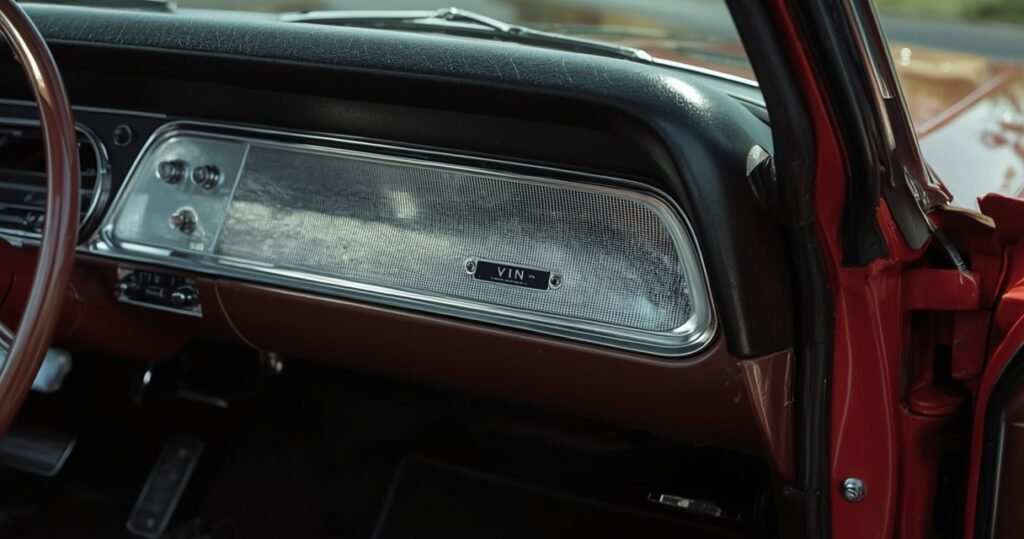
A 10 digit VIN check can be an essential tool for uncovering a vehicle’s history, especially if you are considering purchasing a used car, motorcycle, or other motor vehicle. While the modern vehicle identification number (VIN) typically consists of 17 characters, vehicles manufactured before 1981 often use shorter codes, such as a 10 digit VIN. Understanding how to interpret and check these older VINs is crucial for verifying a vehicle’s origin, authenticity, and legal status. This article explores the significance of a 10 digit VIN check, how to perform one, what information you can glean, and why it matters in the modern era of automotive trading.
What is a 10 digit VIN?
A vehicle identification number (VIN) is a unique series of letters and digits assigned to every motor vehicle when it is manufactured. Today, VINs use a standardized 17-character format, but from the 1950s until 1980, manufacturers in the United States and other regions used various shorter formats, including 10 character VINs. These codes serve as a “fingerprint” for the vehicle, recording important details about its make, model, year, and sometimes even the factory where it was built.
Key features of a 10 digit VIN:
- Unique identifier: Just like modern VINs, 10 digit VINs are specific to each vehicle.
- Manufacturer specific: The arrangement and meaning of characters in the VIN may differ depending on the automaker.
- Lack of standardization: Before 1981, there was no worldwide VIN standard, leading to differences in format and encoded information.
- Common in classic vehicles: Motorcycles, classic cars, and some trucks built before 1981 often feature a 10 digit VIN.
Why perform a 10 digit VIN check?
When evaluating a used or vintage vehicle, a 10 digit VIN check can reveal crucial information that influences its value, legal standing, and safety. Such a check helps confirm the authenticity of the vehicle, uncover potential red flags, and ensure compliance with registration or import requirements.
Key reasons to perform a 10 digit VIN check:
- Verify that the vehicle matches its documentation and seller’s description
- Detect prior theft, salvage, or records of major accidents
- Assess whether modifications align with the original specifications
- Ensure proper title and registration, especially for imports or classic vehicles
- Support valuation and insurance estimation
How to perform a 10 digit VIN check
Performing a comprehensive 10 digit VIN check is different from checking modern 17 digit VINs but follows the same general principles. Here’s how to approach the process:
1. Locate the VIN on the vehicle
- Common locations include the dashboard near the windshield, inside the driver’s side door jamb, on the engine block, or within the vehicle’s chassis.
- For motorcycles, look on the frame, engine, or steering neck.
- Ensure the VIN is clearly printed, matches all documentation, and does not show signs of tampering.
2. Gather supporting documentation
- Request and inspect the vehicle’s title, registration, maintenance, and repair records.
- Ensure the VIN appears consistently across all paperwork.
3. Decode the VIN
- Since no single standard applies, you may need to consult manufacturer-specific documentation, owner’s manuals, or vehicle enthusiast websites.
- Some third-party commercial databases, libraries, classic car clubs, and government agencies may maintain archival VIN decoding resources.
- Decoding may reveal the make, model, year, plant, and sometimes body or engine details.
4. Check for history or red flags
- Government agencies such as the DMV may offer records for older vehicles when provided with a 10 digit VIN.
- Insurance companies, police registries, and classic car clubs may also have relevant databases for tracking issues like theft or salvage status.
- Be aware that data on older vehicles can be more limited or fragmented than data on modern cars.
What information can a 10 digit VIN provide?
While a 10 digit VIN does not provide as much detail as the modern 17-character code, it still delivers vital clues about a vehicle’s origin and specifications. Depending on the manufacturer and year, here’s what you might uncover:
- Manufacturer and country of origin
- Model and year of production
- Engine, body type, or series information
- Production sequential number
Older VINs typically include less granular details than modern VINs. Still, when combined with historical documentation and expert knowledge, they are essential for restoration, authentication, and provenance research.
Limitations and challenges of 10 digit VIN checks
Navigating a 10 digit VIN check comes with unique challenges, primarily due to the lack of global standardization in the pre-1981 era. Here are some potential complications:
- Decoding may require access to obscure manufacturer records or vintage guides
- Historical records may be incomplete, especially for vehicles that have crossed borders or changed hands frequently
- Digit sequences may not always include explicit information about trim levels or technical options
- Poor record-keeping or lost documents can hinder verification efforts
Expert tips for effective 10 digit VIN checks
- Consult enthusiast clubs and forums, which often have access to specialist resources for classic vehicles
- Seek out classic car professionals or appraisers who are experienced with specific manufacturers
- Use caution if the seller is unable or unwilling to provide clear, consistent VIN documentation
- Be wary of VIN tampering or inconsistencies, as these may suggest illicit activity or misrepresentation
Common myths about older VINs
There are several misconceptions about what a 10 digit VIN can and cannot do. Dispelling these myths is key to conducting a proper check:
- Myth: All VINs work the same way regardless of age.
- Fact: Pre-1981 VINs vary widely and require special approaches for decoding and verification.
- Myth: A 10 digit VIN can always provide a complete accident or theft history.
- Fact: Data may be sparse; cross-check with as many sources as possible.
- Myth: VIN tampering is easy to spot.
- Fact: Alterations can be sophisticated—use physical inspection and documentation comparison.
When to seek professional help
While a basic 10 digit VIN check can be performed by any informed buyer, certain situations call for expert evaluation:
- Vehicles of substantial value, rarity, or historical significance should be evaluated by appraisers or classic car specialists
- Instances where VIN discrepancies or possible tampering are detected
- Situations requiring verification for import/export or restoration purposes
Professional experts can use laboratory and forensic techniques to verify authenticity and help avoid costly errors in high-stakes transactions.
Warning about self-diagnosis and legal risks
A 10 digit VIN check, while valuable, should not replace formal legal procedures in cases involving title disputes, stolen vehicles, or potential fraud. Incomplete or inaccurate checks can lead to purchasing invalid titles or even inadvertently acquiring stolen property. Always consult legal authorities, especially for suspicious findings, and ensure all transactions comply with local laws and regulations. The information in this article is for educational use only and is not a substitute for professional advice.
Summary and best practices
Checking a 10 digit VIN is a key step in verifying classic cars, motorcycles, and other older vehicles. While challenges exist due to inconsistent standards and gaps in historical records, diligent research and expert consultation can help reveal a vehicle’s true history. Always prioritize transparency, be thorough with documentation, and do not hesitate to seek professional guidance—especially for valuable or rare models. A careful 10 digit VIN check not only protects your financial investment but also helps preserve the integrity and legacy of classic vehicles for future generations.

An experienced automotive writer and industry analyst with a strong passion for cars, engineering, and road performance. Specializes in delivering clear, insightful reviews, detailed comparisons, and practical advice for everyday drivers, gearheads, and those looking to make informed vehicle choices.